Québec (partie 2)/Fin de session

Bonjour readers. It’s been quite a while since my last posting. The last month and a half has been extremely busy for me with school here and preparing for the next semester back at RIC, but here is the long awaited post! The semester is coming to a close and I’ll give my final thoughts once I’m done with all of my exams, but I’m going to give you all an update on some of what’s happened over the last month or so.

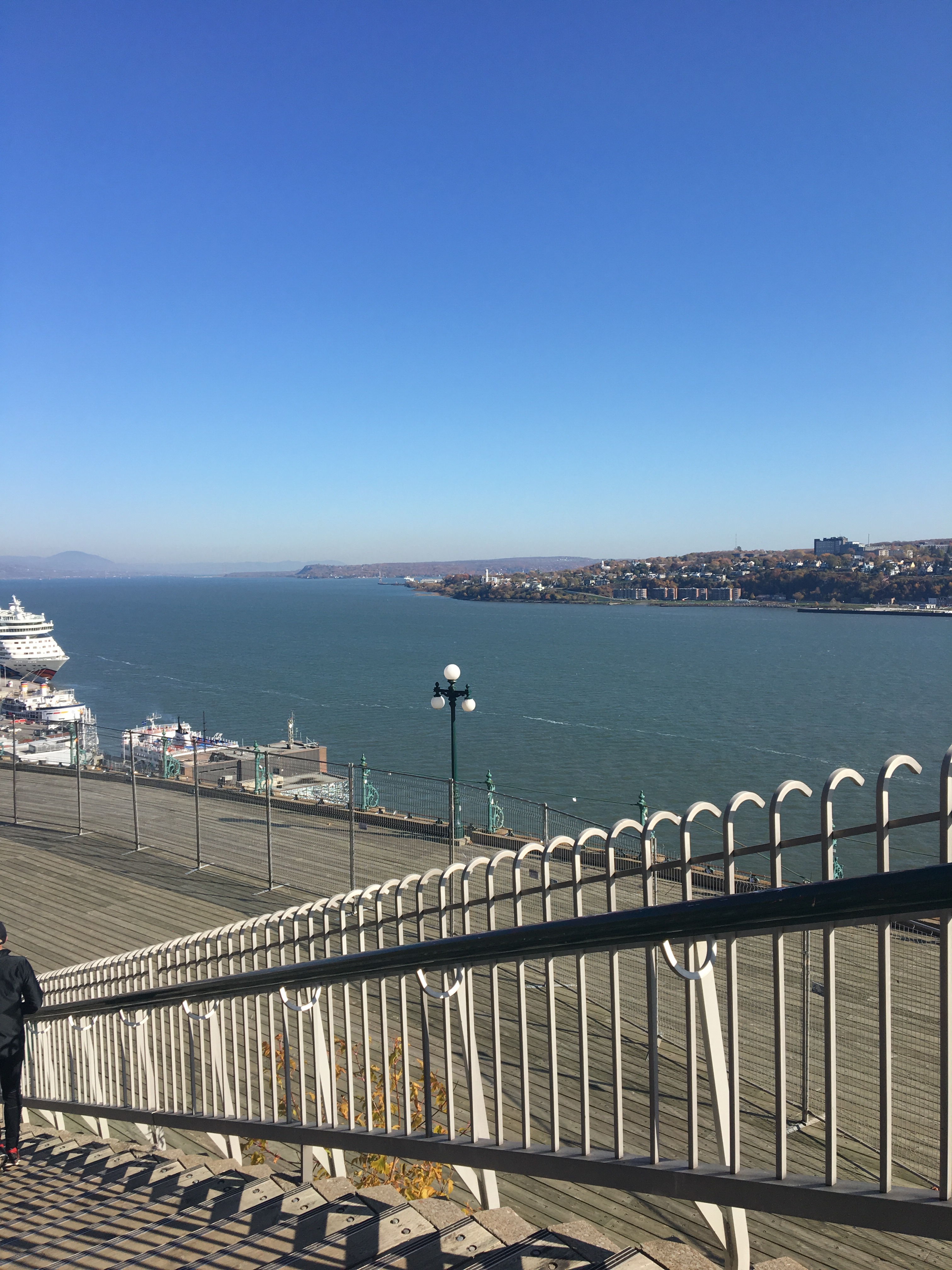
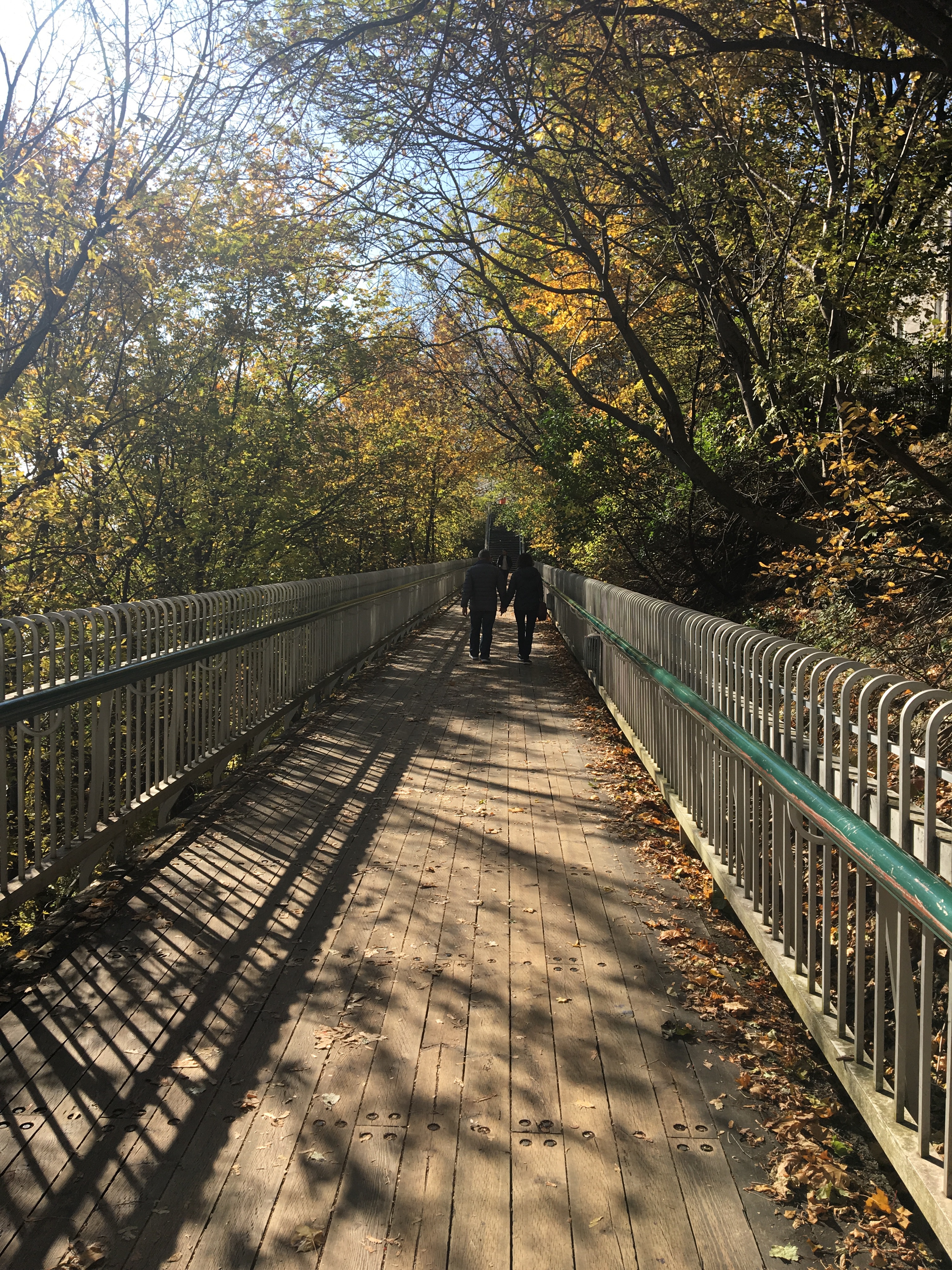
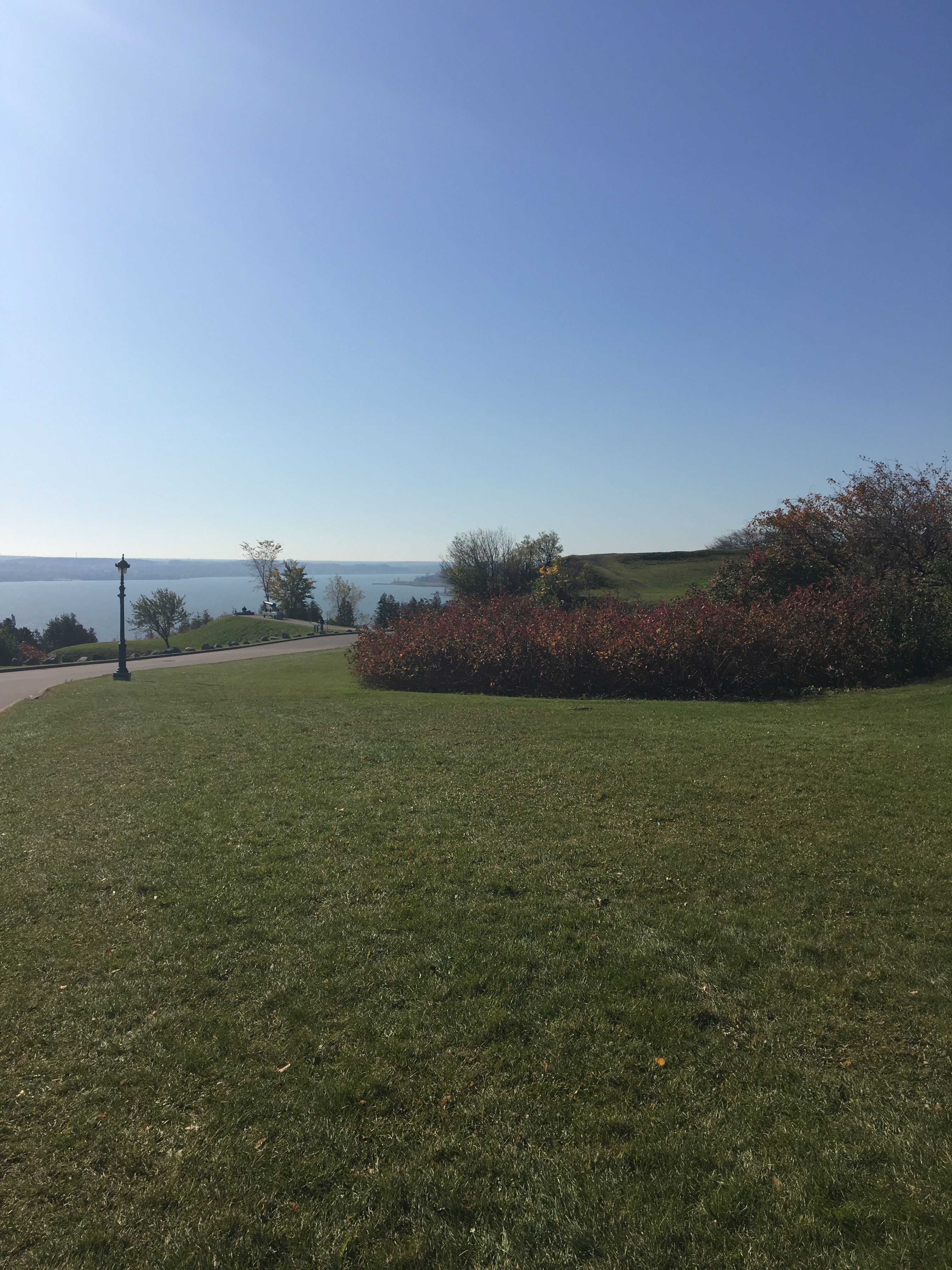
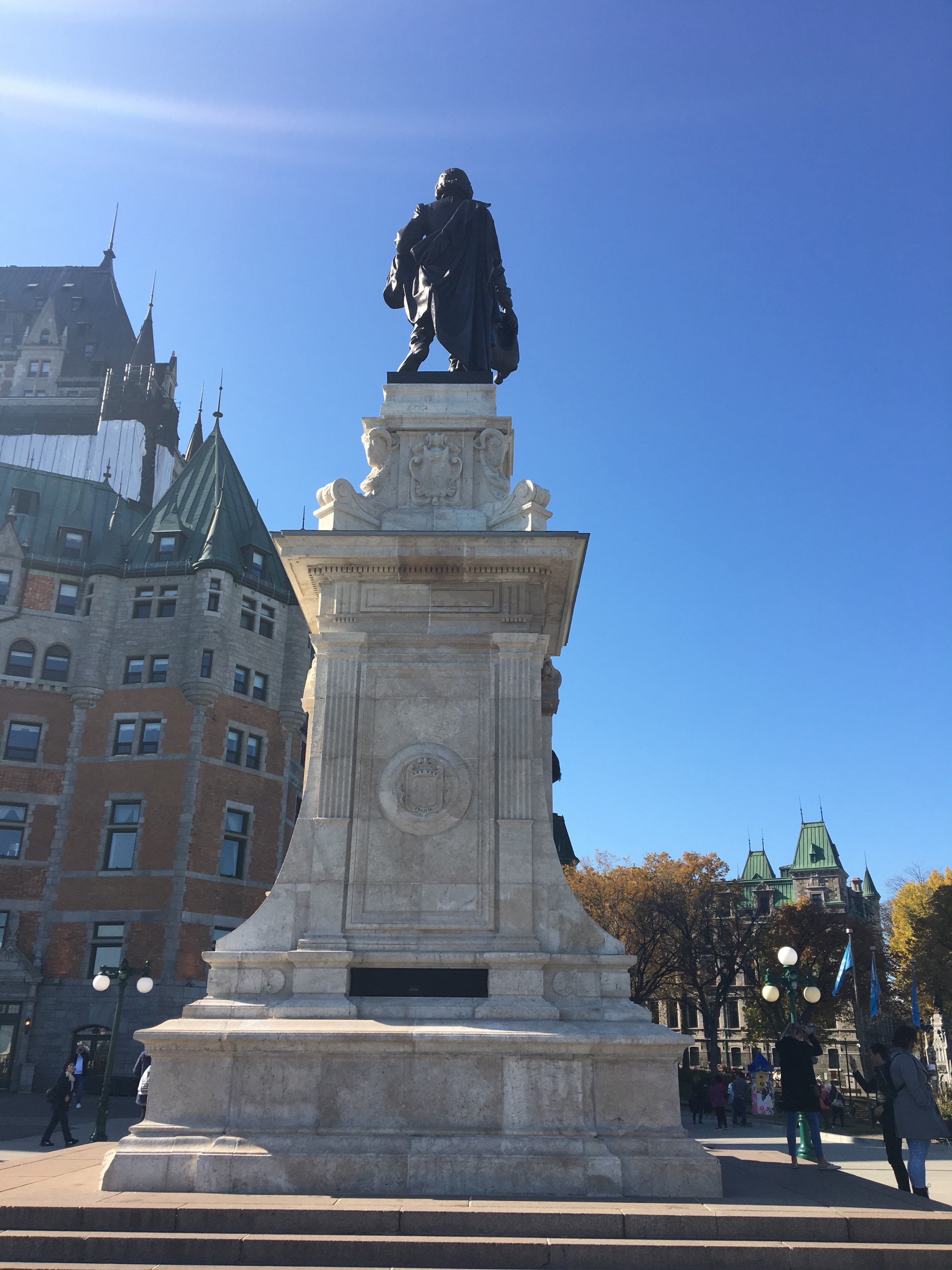
Here are some photos from the rest of my visit to Québec City:

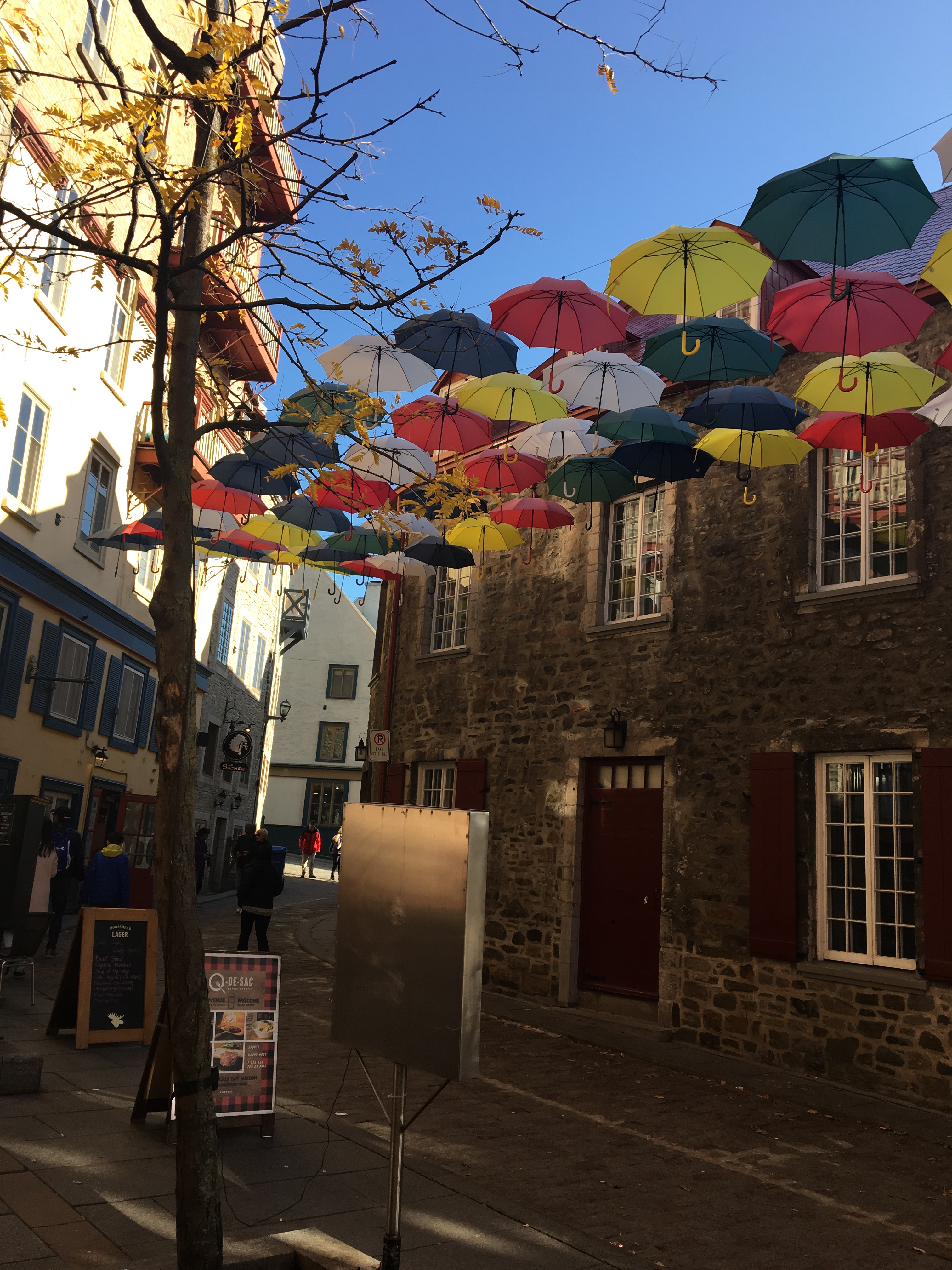
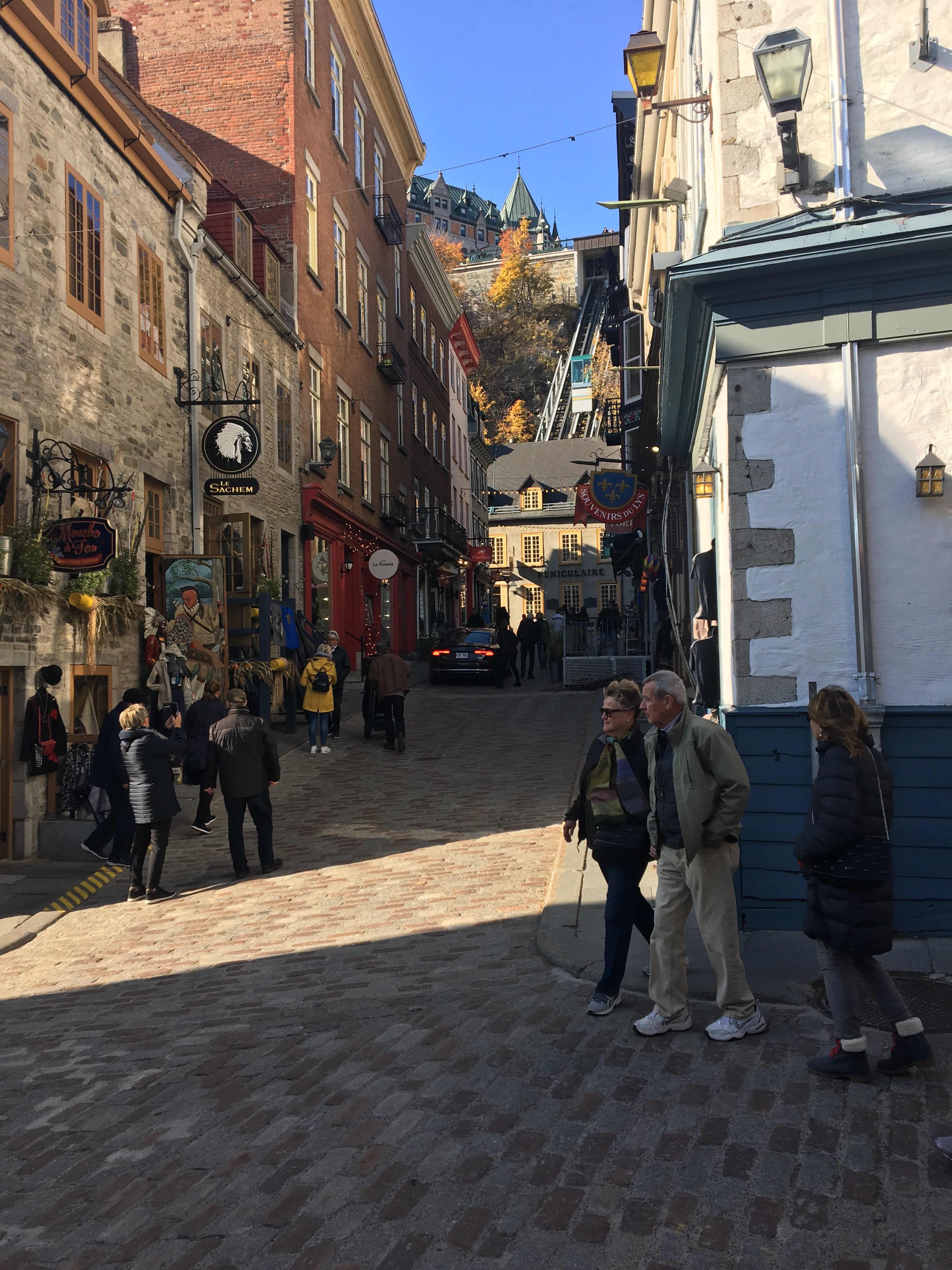
Le Quartier Petit Champlain near the port is a popular tourist destination and is home to upscale shops and restaurants in old historic buildings. It’s pedestrian only, but accessible via bus. The area ressembles an old style French village and is a neat area to visit just to admire the architecture.
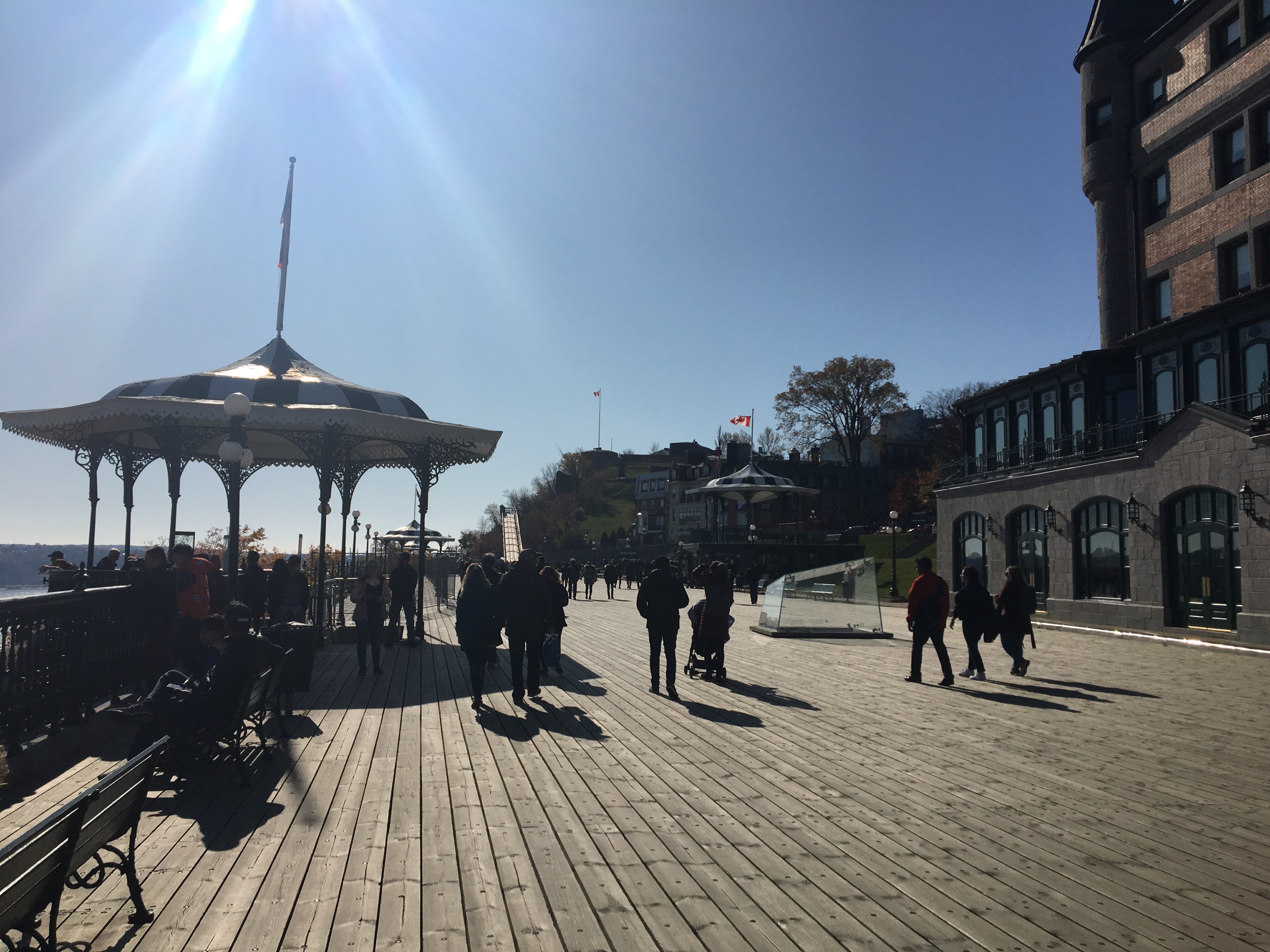
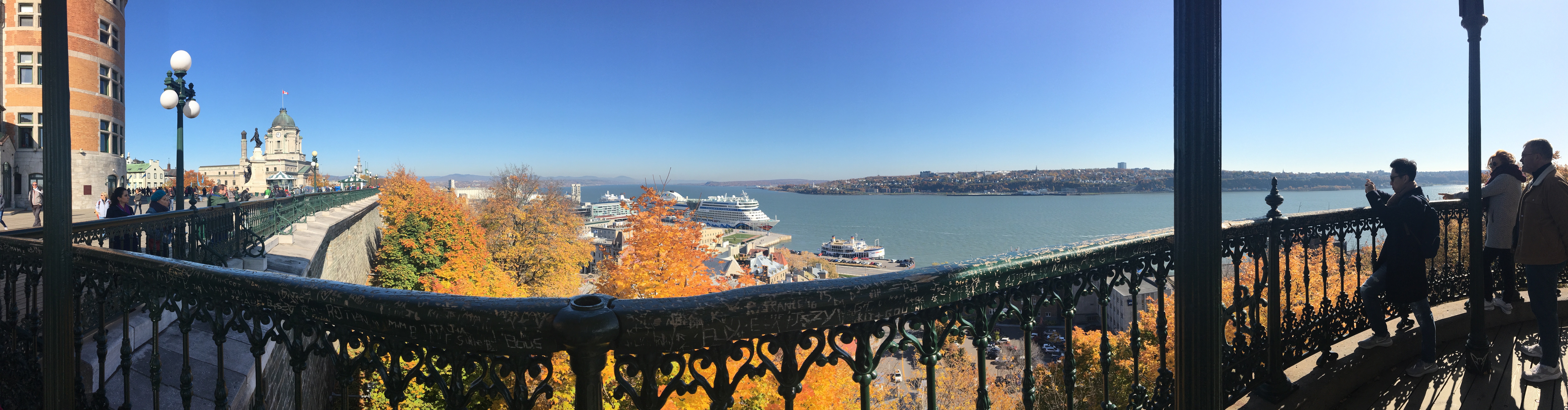
The promenade on the boardwalk and the Plains of Abraham (site of a colonial era battle, now a massive public park) is certainly worth the hike on a nice day. The foliage in autumn is lovely and the views of the fleuve are spectacular.
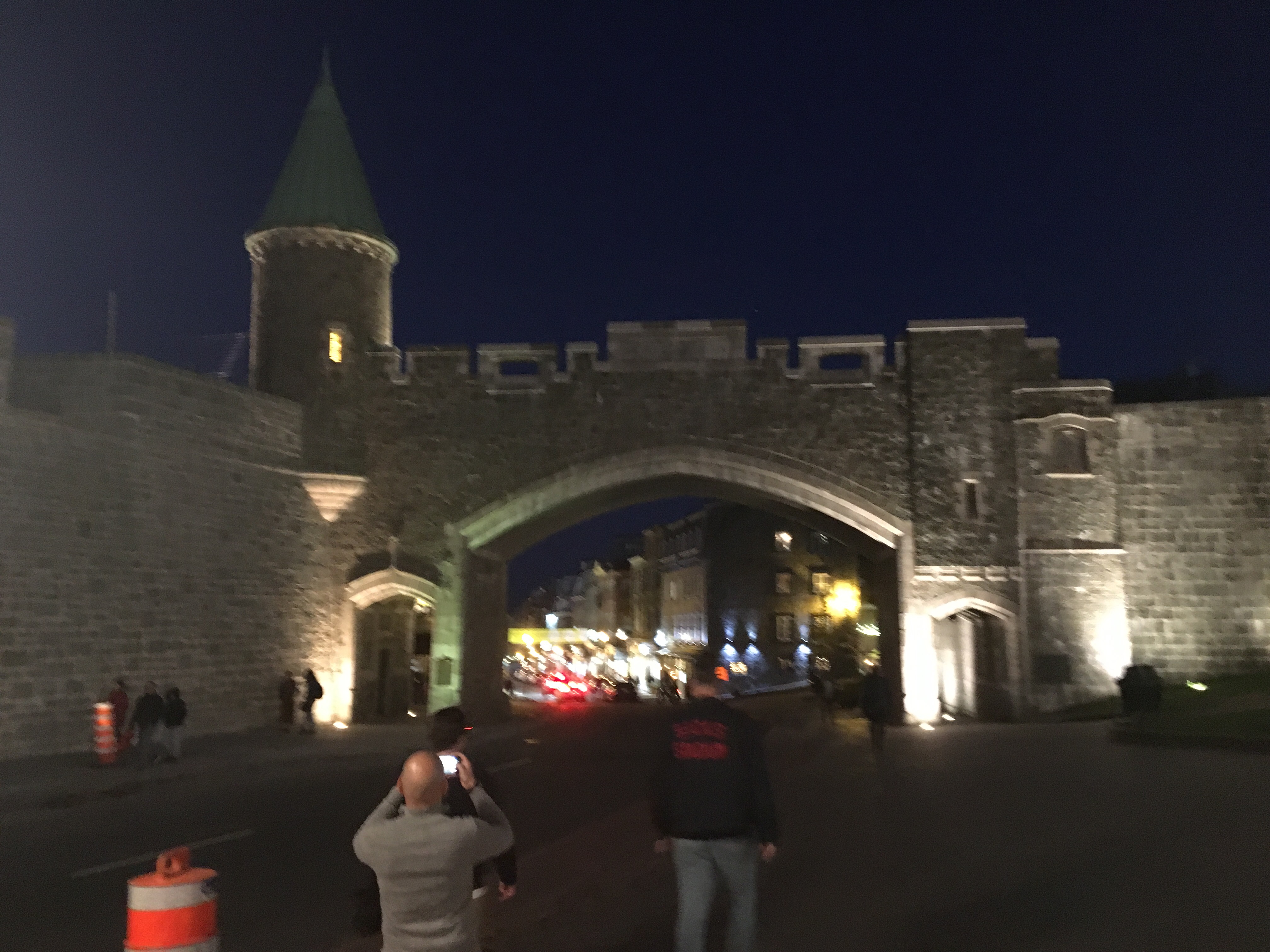
The Old City of Québec is of course well worth a visit. A blend of historic and modern architecture, it’s like a taste of Europe in America. The Old City is also home to upscale boutiques and restaurants. While the culinary scene pales in comparison to Montréal, there are still many great (and not so great) eateries.
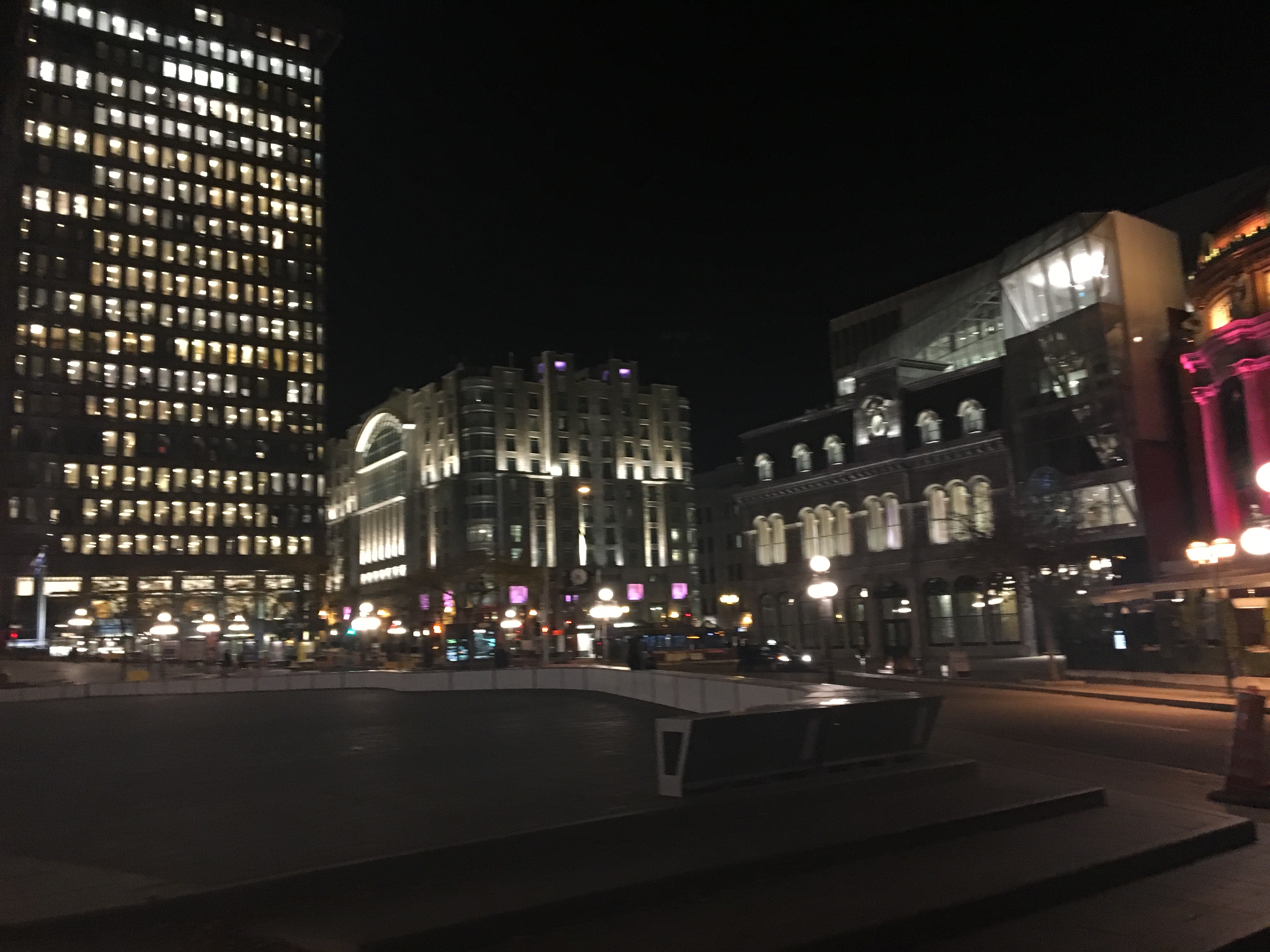
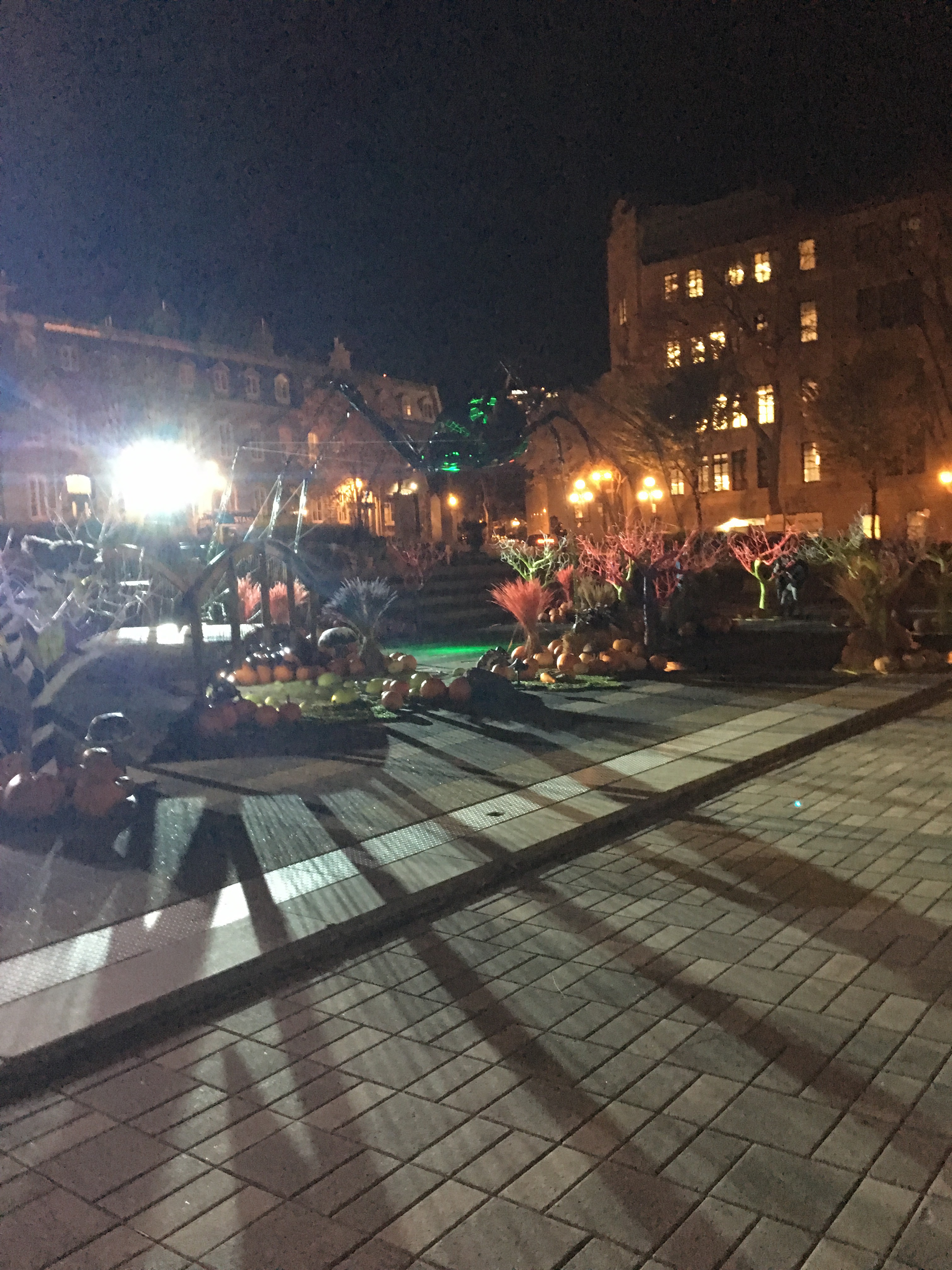
Halloween displays!
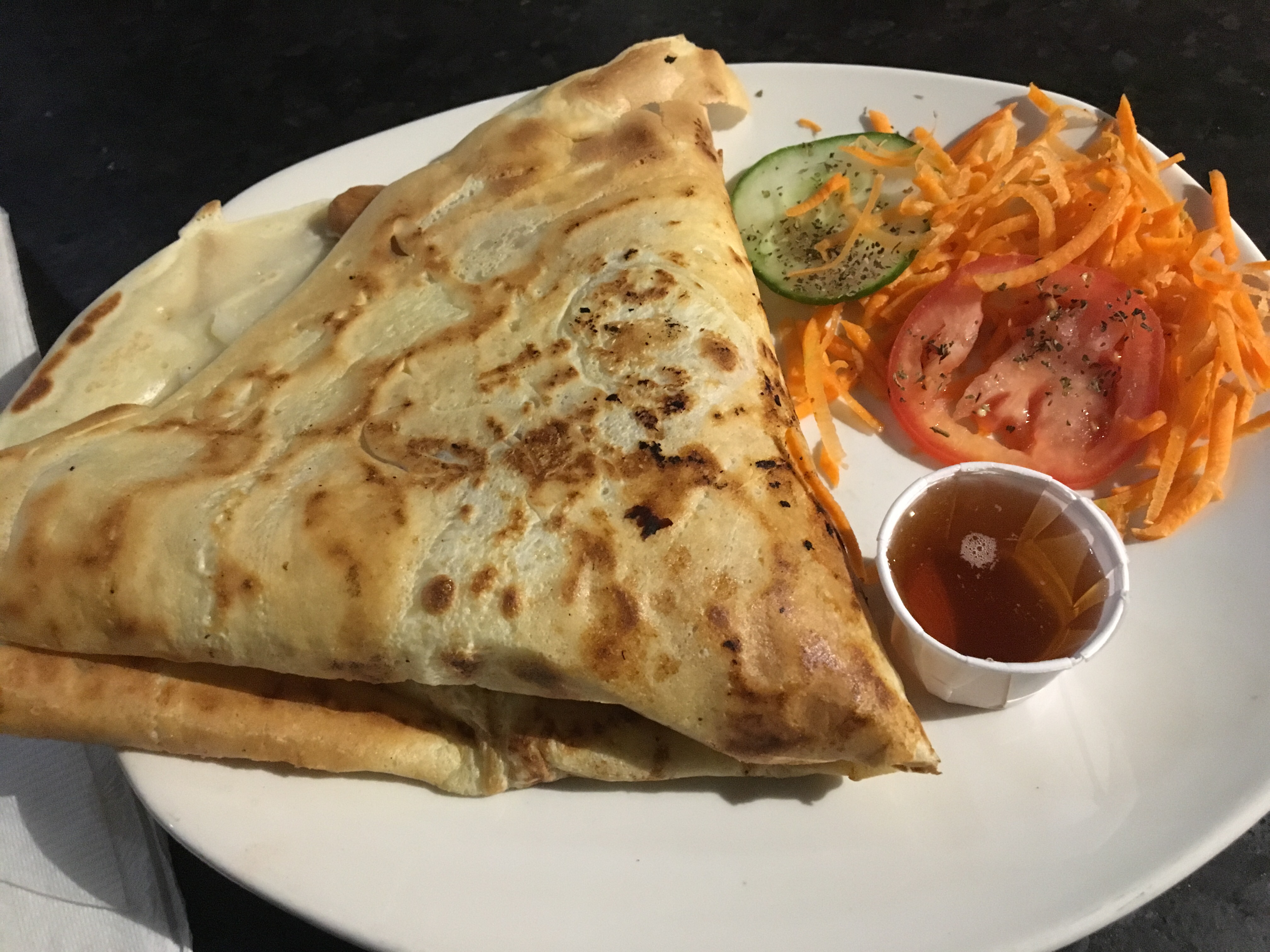
This crêpe might look good, but it was awful!
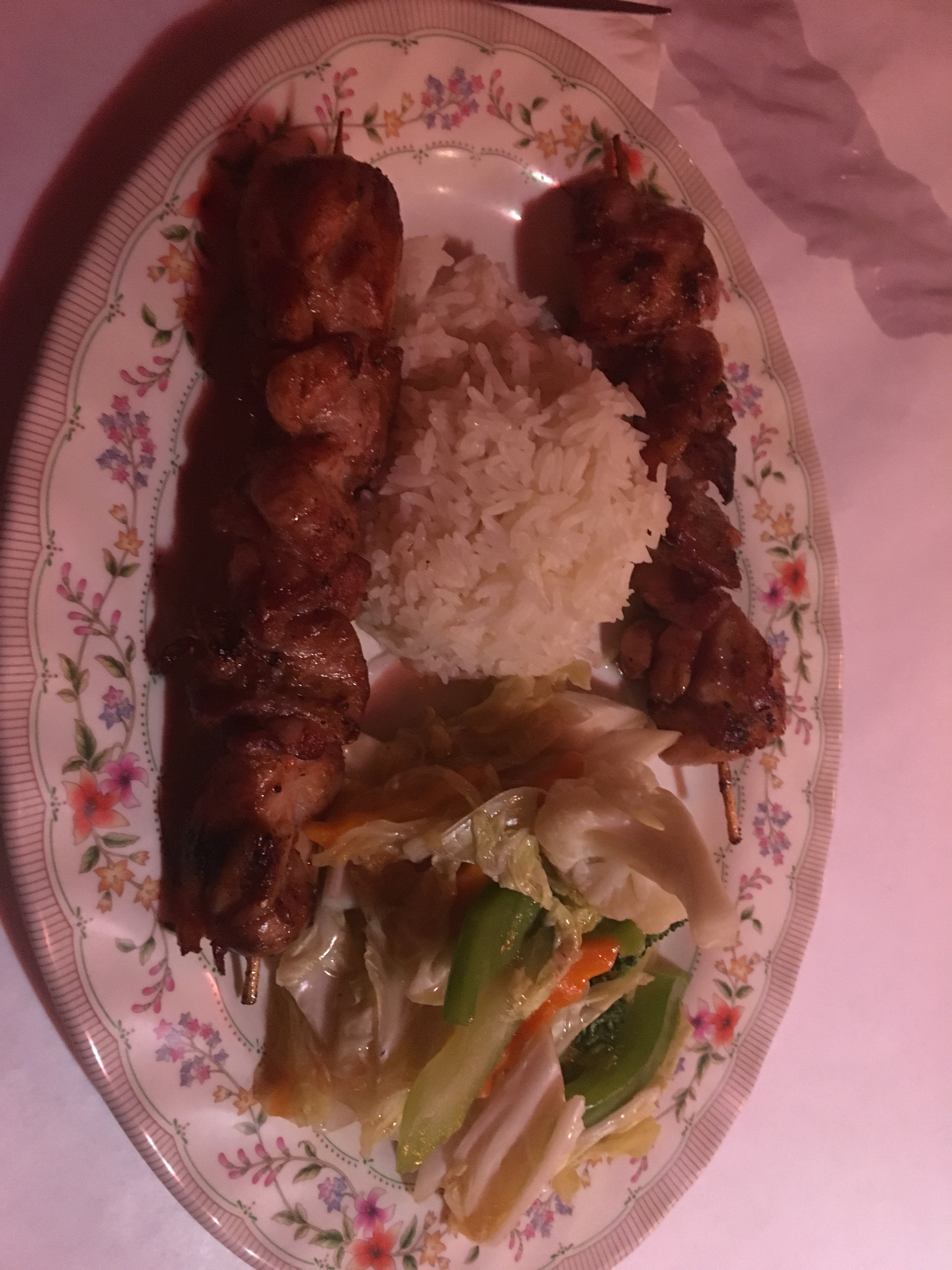
Authentic Vietnamese cuisine. These brochettes were delicious.
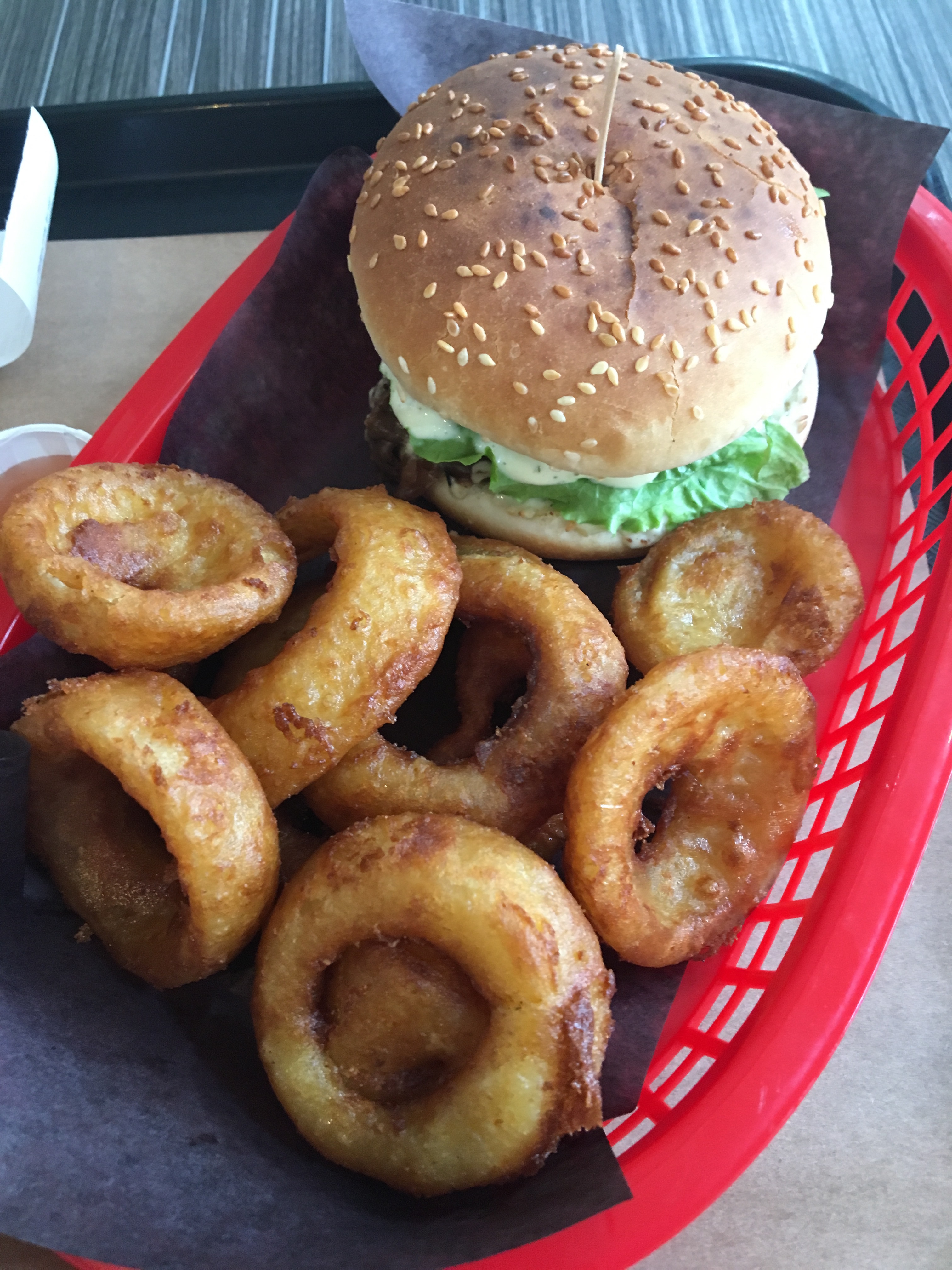
A burger with a Québécois twist… goat cheese!
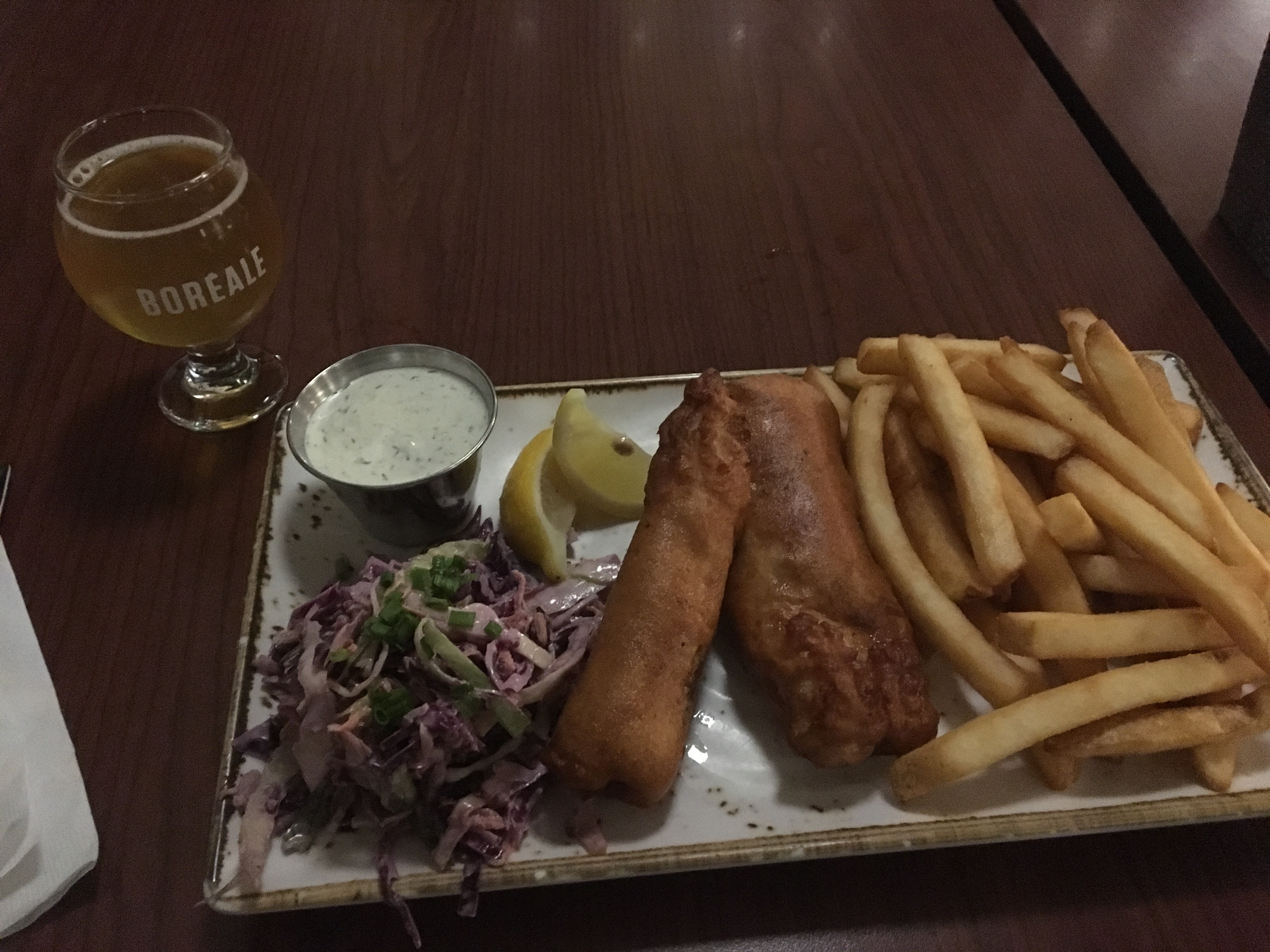
Fabulous English style fish and chips with craft beer. I don’t even normally like beer, but Le Projet impressed me.

Back in Montréal, I’ve been a bit bogged down by work, but I’ve still managed to see more of the city and meet some new people.

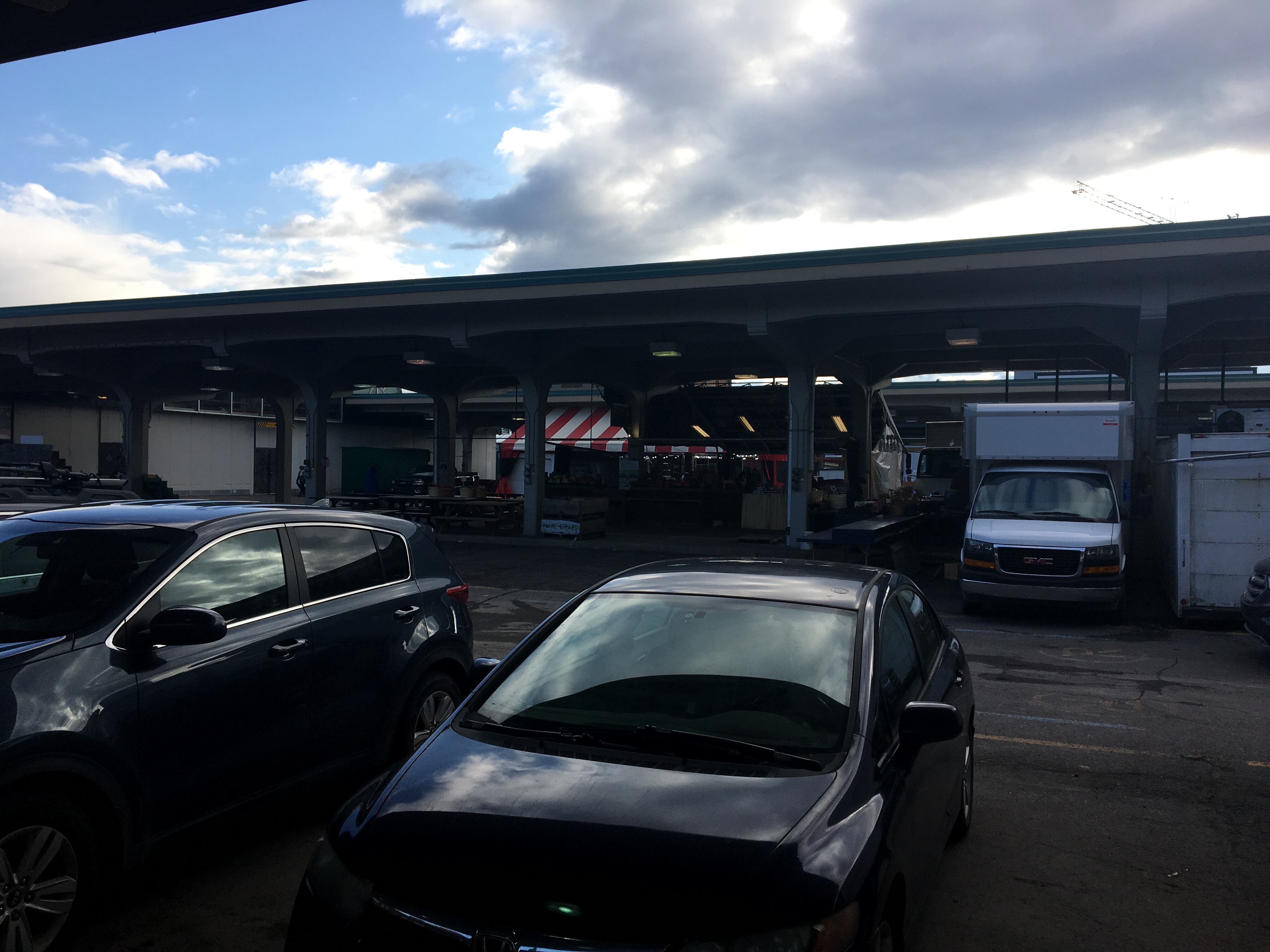
During the warmer months, the Jean-Talon neighborhood is home to a large open-air farmers market selling all kinds of local foods (including cheap, authentic maple syrup).
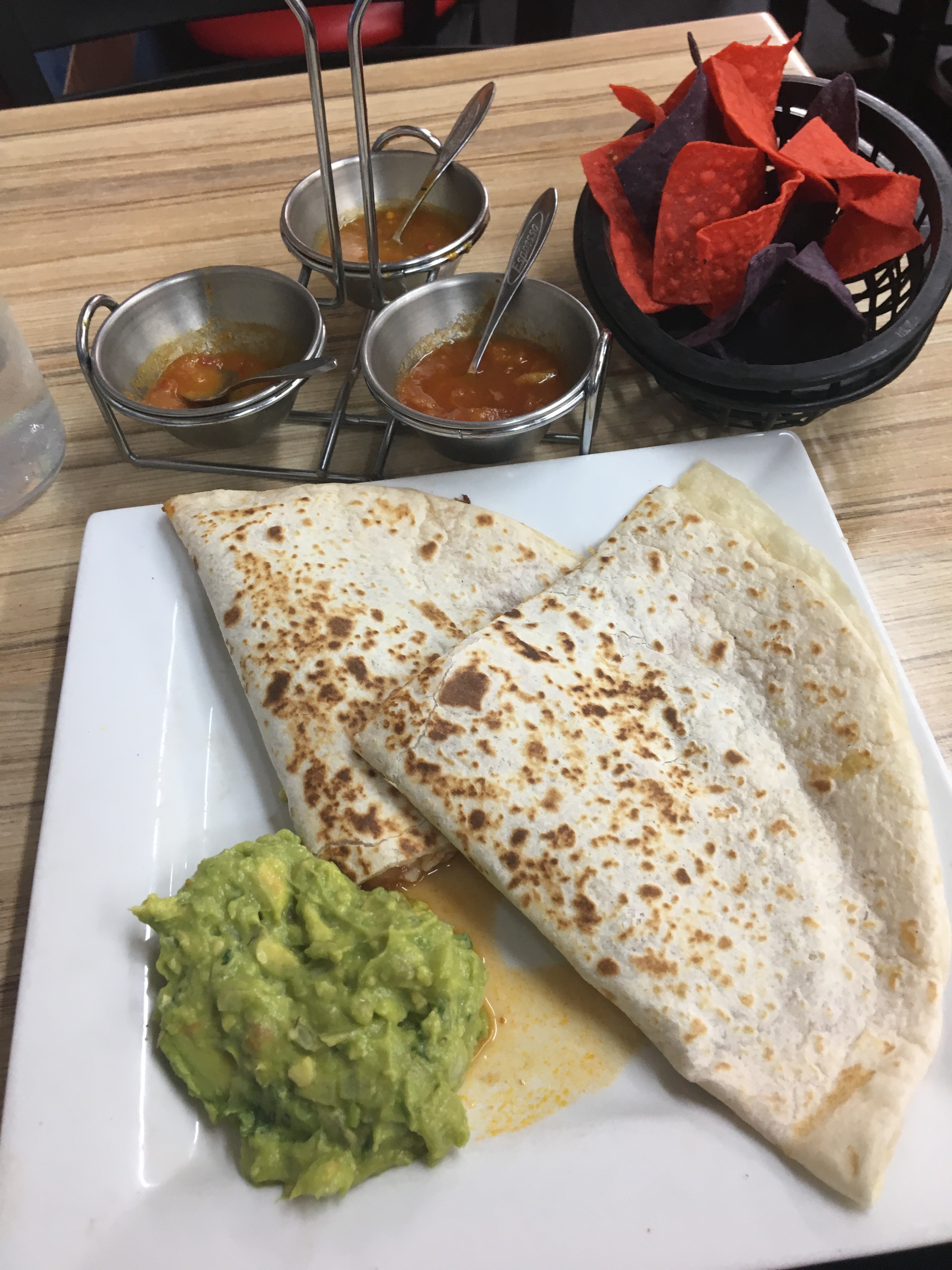
Nearby is a fabulous Mexican restaurant, El rey de tacos. If you’re ever homesick for the States, you’ll feel like you’re right back home in Providence here.
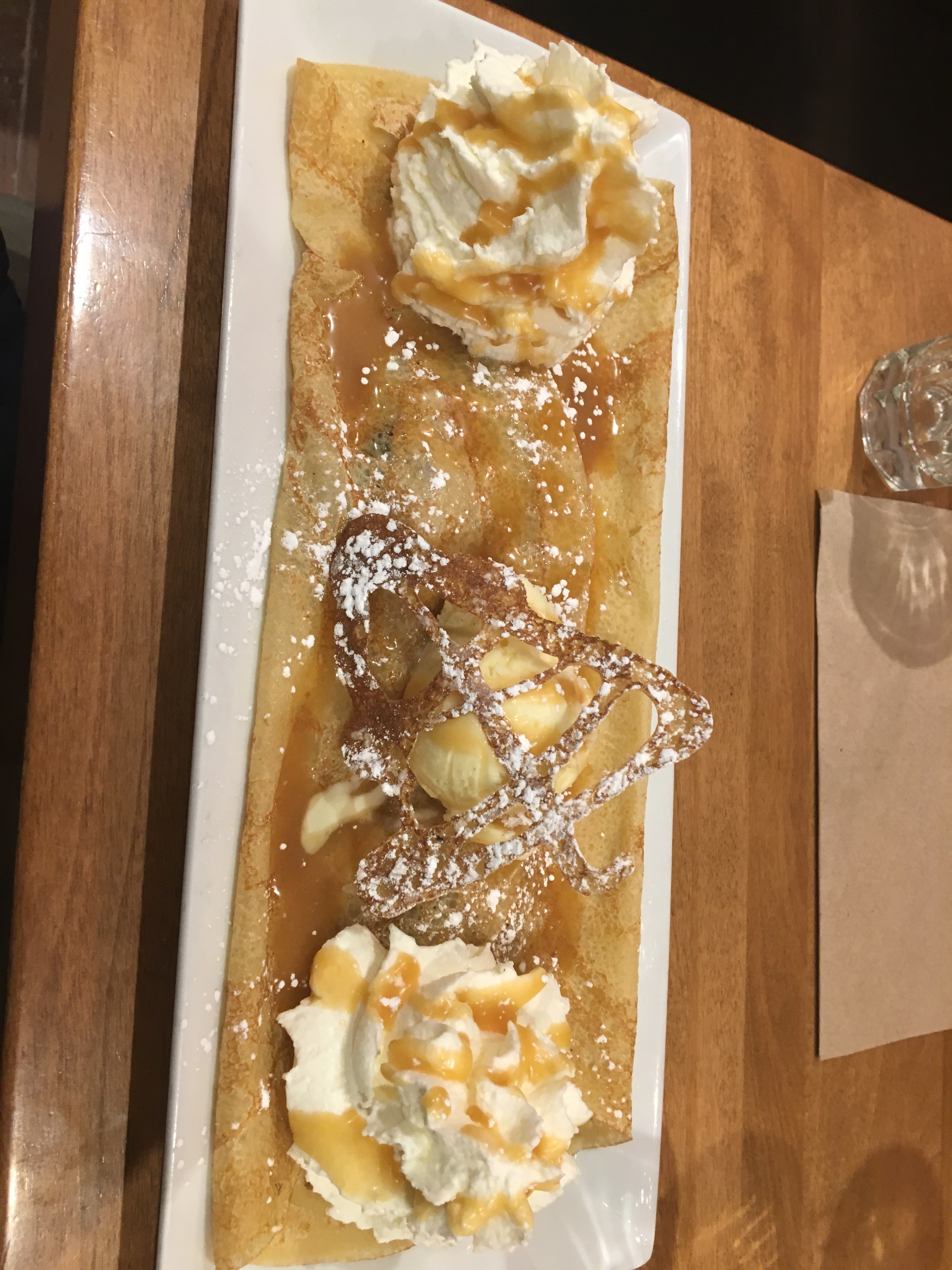
Next door is Juliette et Chocolat, a dessert shop with fabulous and rich creations. It’s definitely worth the visit too!
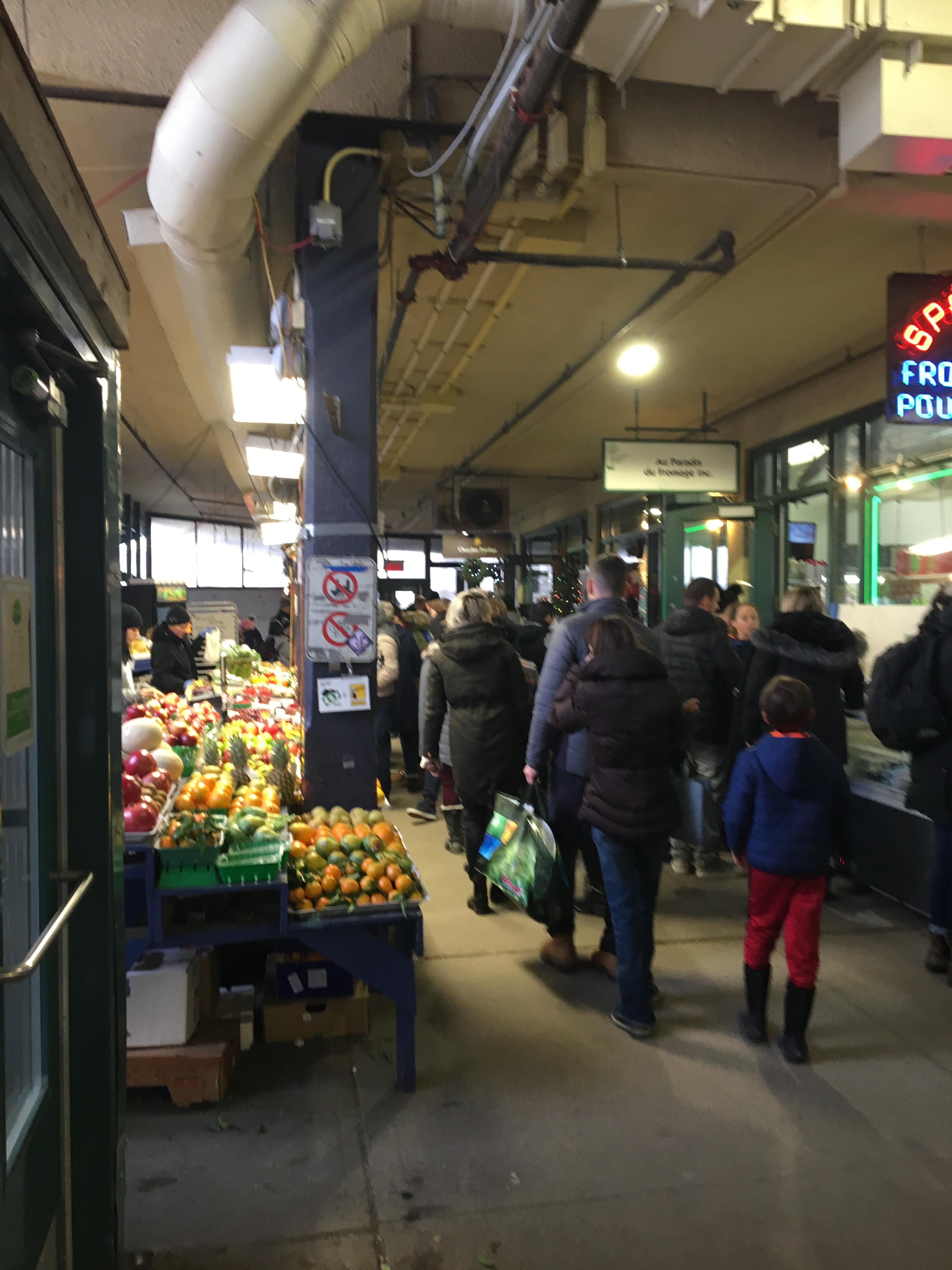
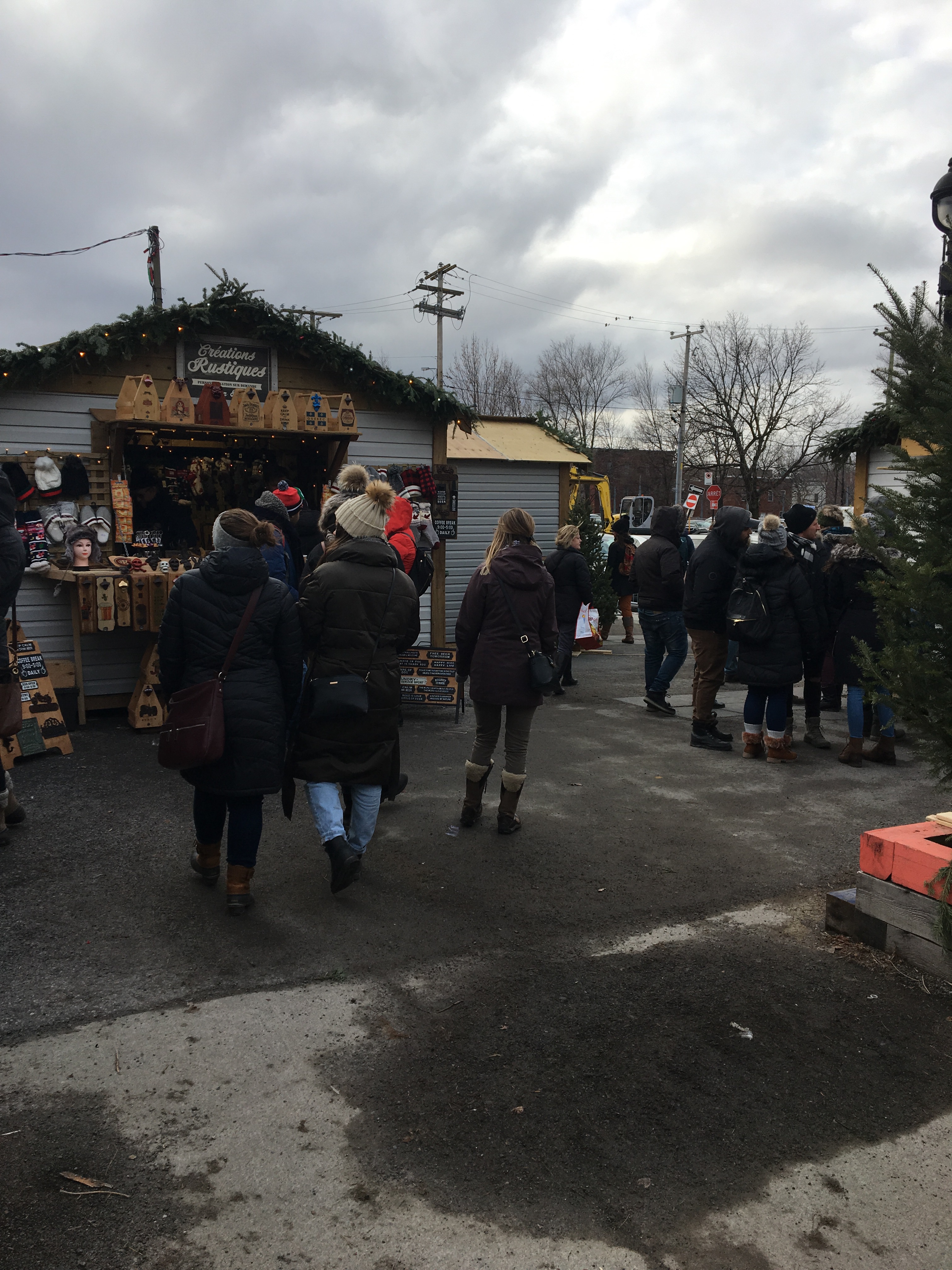
During the winter months, the Atwater Market in the southwest part of the city is a fun place to visit. It’s an indoor market with numerous vendors and places to get small bites to eat (including some amazing empanadas). During the winter there is also an outdoor Christmas Market with festive music, unique gifts made by local artisans and Christmas trees for sale (which people even bring home on the bus!).
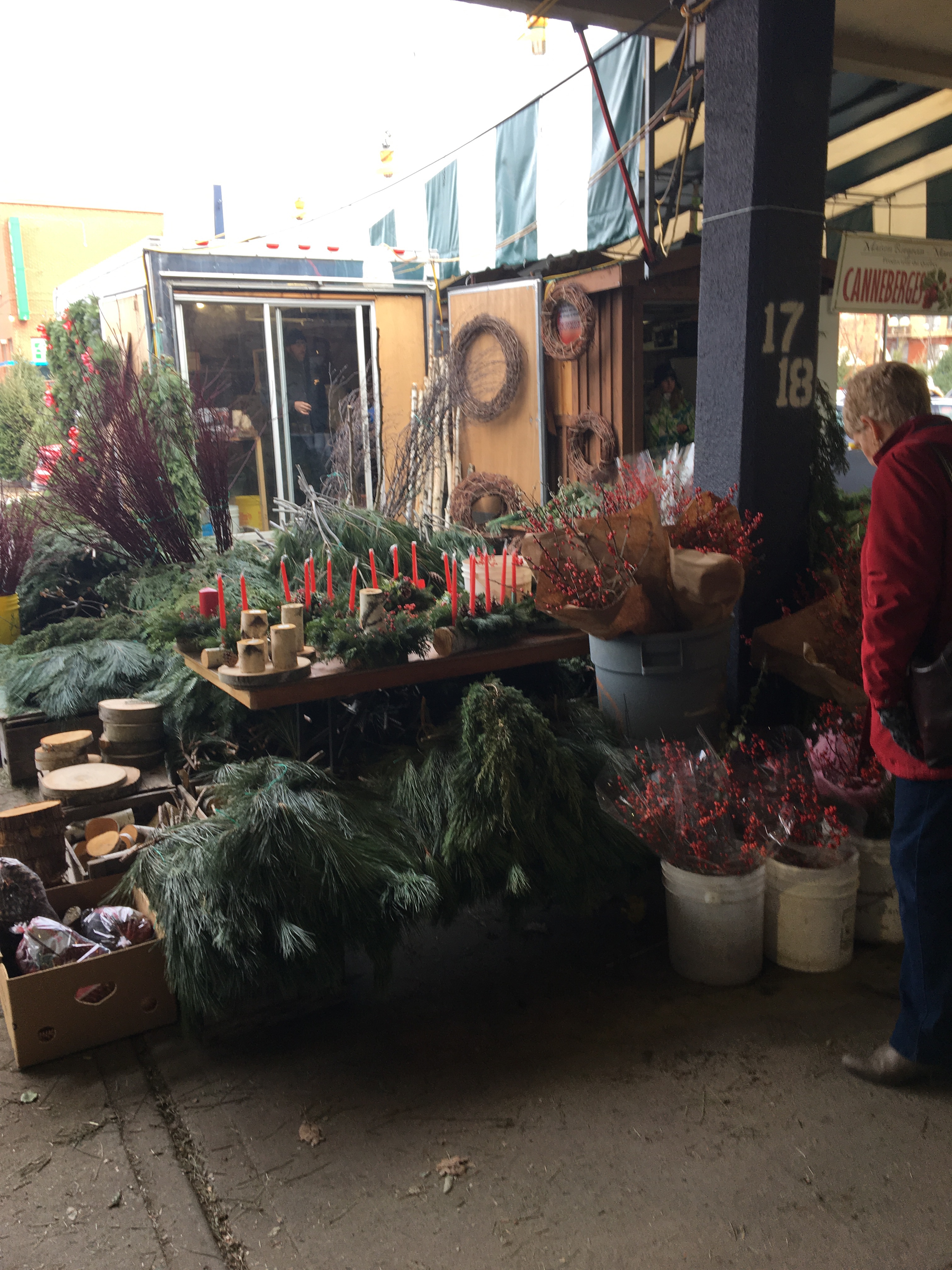
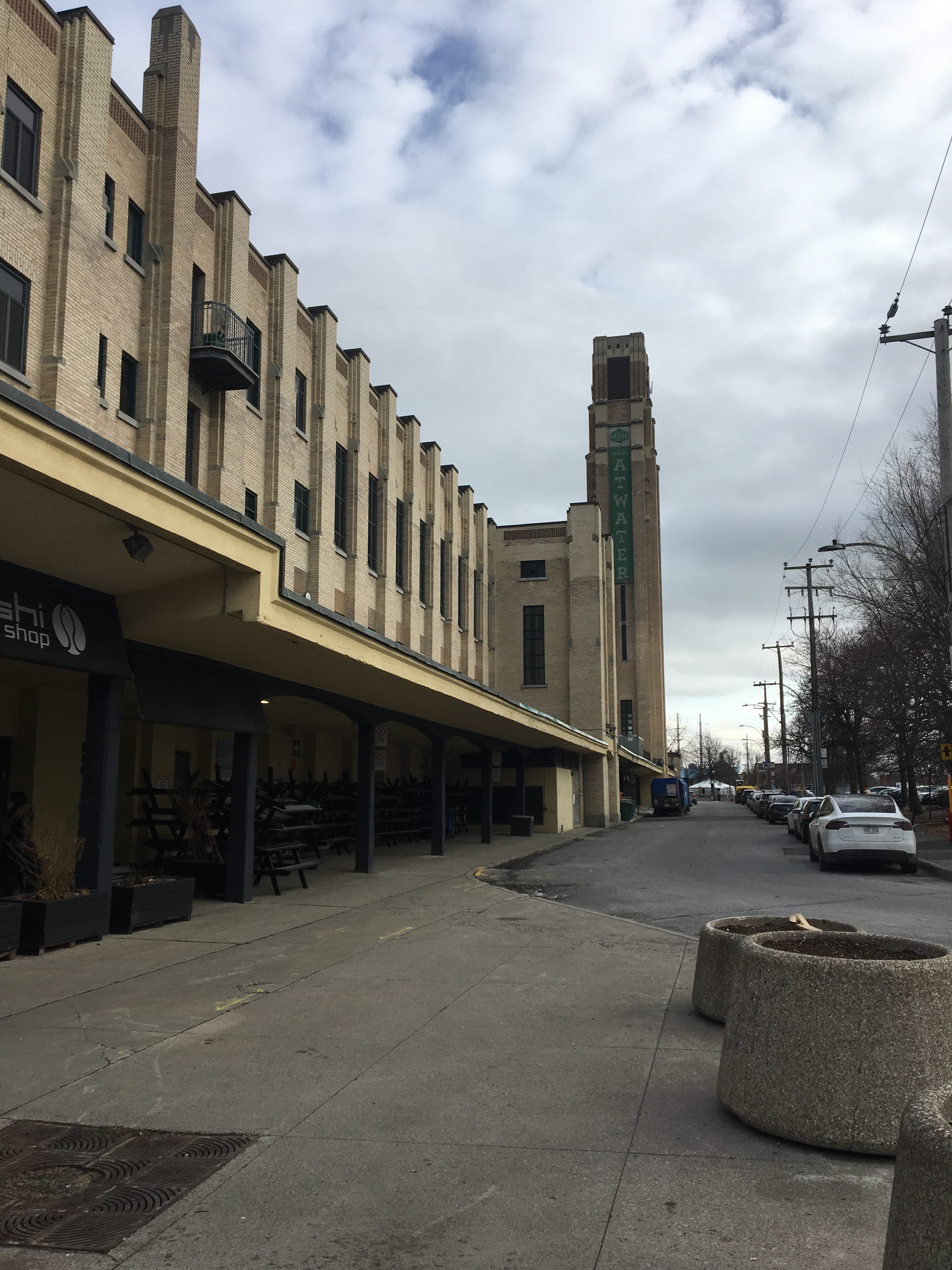
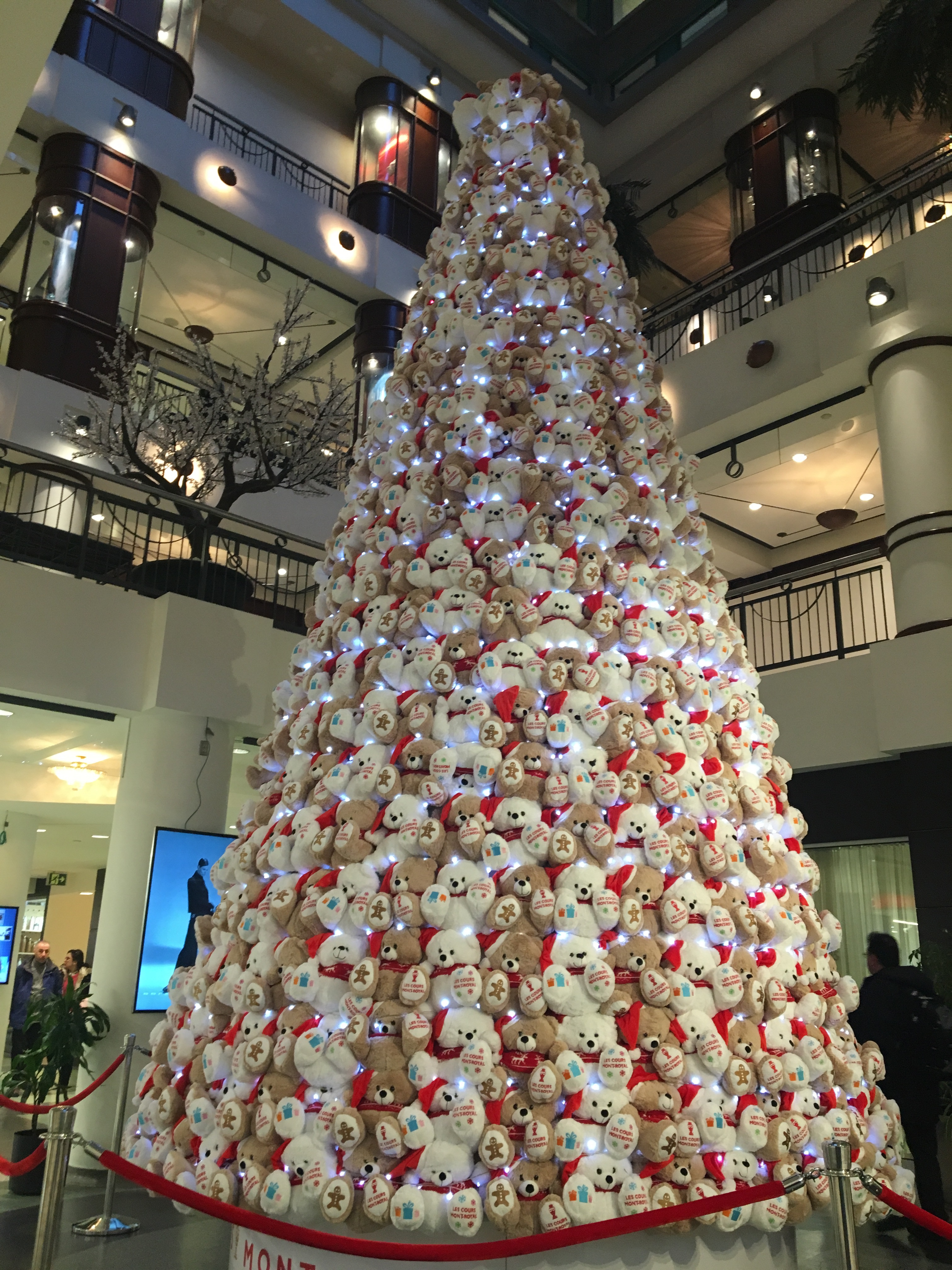
Montréal is a great place for holiday shopping is well. In the downtown there is a series of malls interconnected underground (the ‘Underground City’) between McGill and Peel metro stations that offers a huge variety of shops for all tastes. The Rockland mall in the Mount Royal suburb, while harder to get to, is a great choice too. Some of the most popular are Simons (a traditional department store), Hudson’s Bay (the modern incarnation of the colonial era fur trading company- it’s now a standard department store) and Renaud-Bray (a chain of Québécois bookstores with a huge selection of books in French and some in English).
To finish up this post, I just want to take a moment to appreciate a program that the University offers called Jumelage interlinguistique. For 15$ CAD, you get paired with speakers of a language you want to practice (in my case, French) with speakers who want to practice your language. Every week you and your partners go out for some sort of activity (of your own choice) for at least two hours and you practice the speaking in an authentic, natural environment. I found it extremely helpful and fun and RIC should definitely develop a similar program for students. I was able to make a new friend in Geneviève, a québécoise student and learn more about our cultural similarities and differences. It is definitely worth the time to do this program!
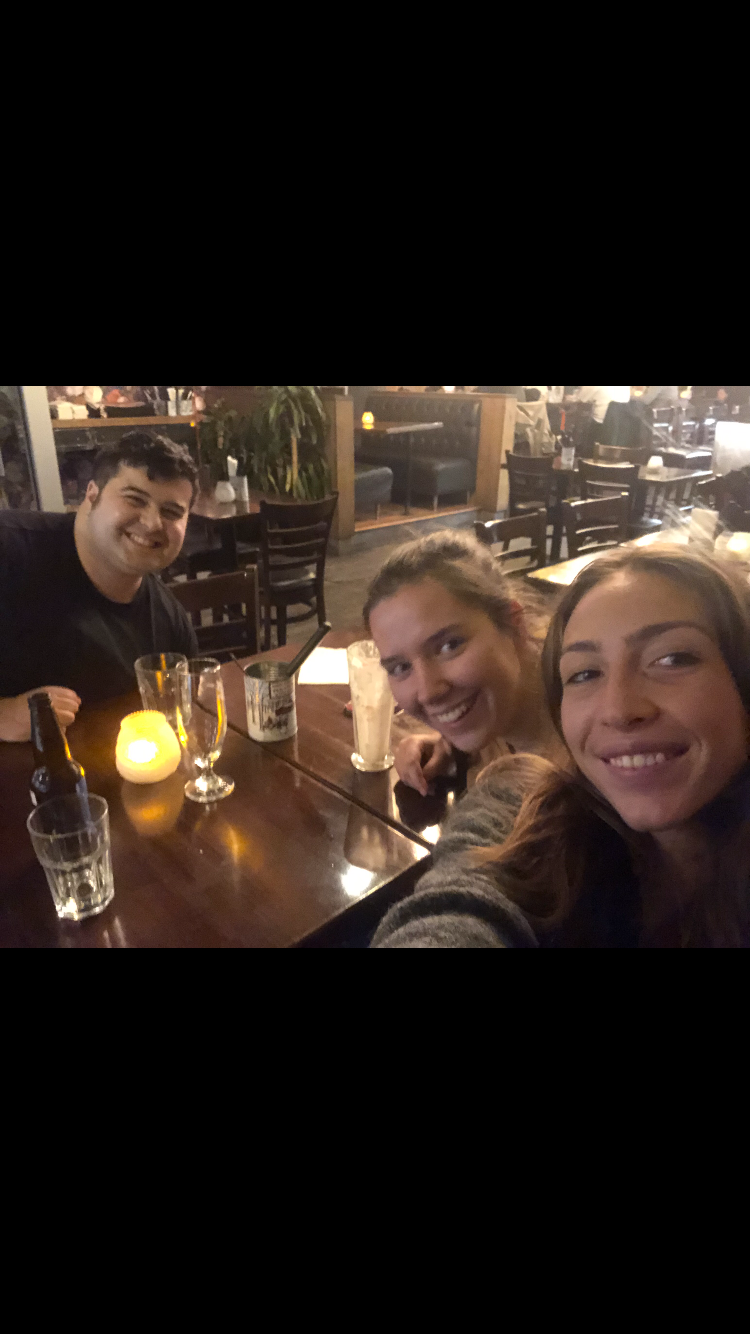
Me, Geneviève and Eve

Québec (Première Partie)/ Québec City (Part 1)

Bonjour readers!

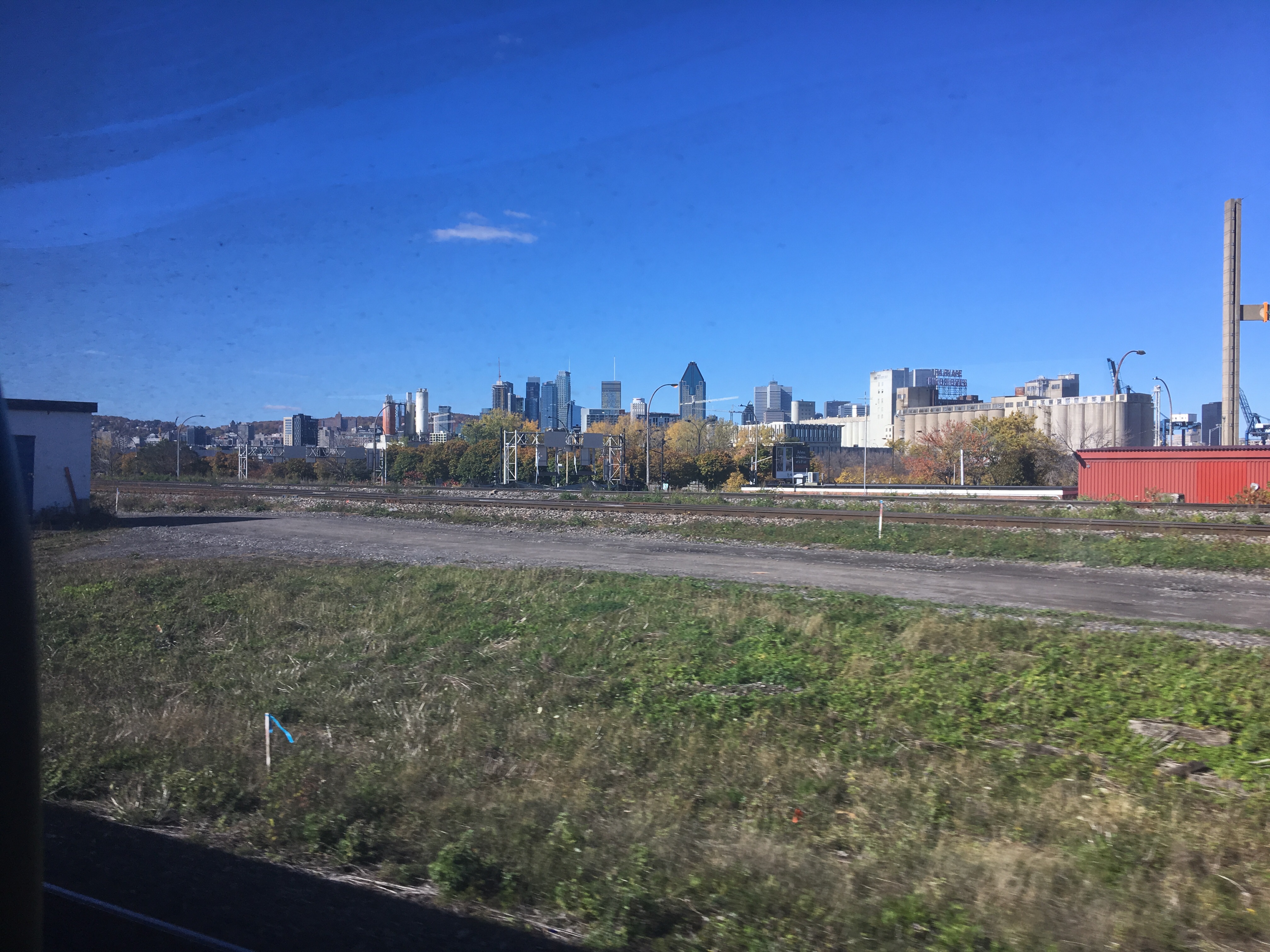
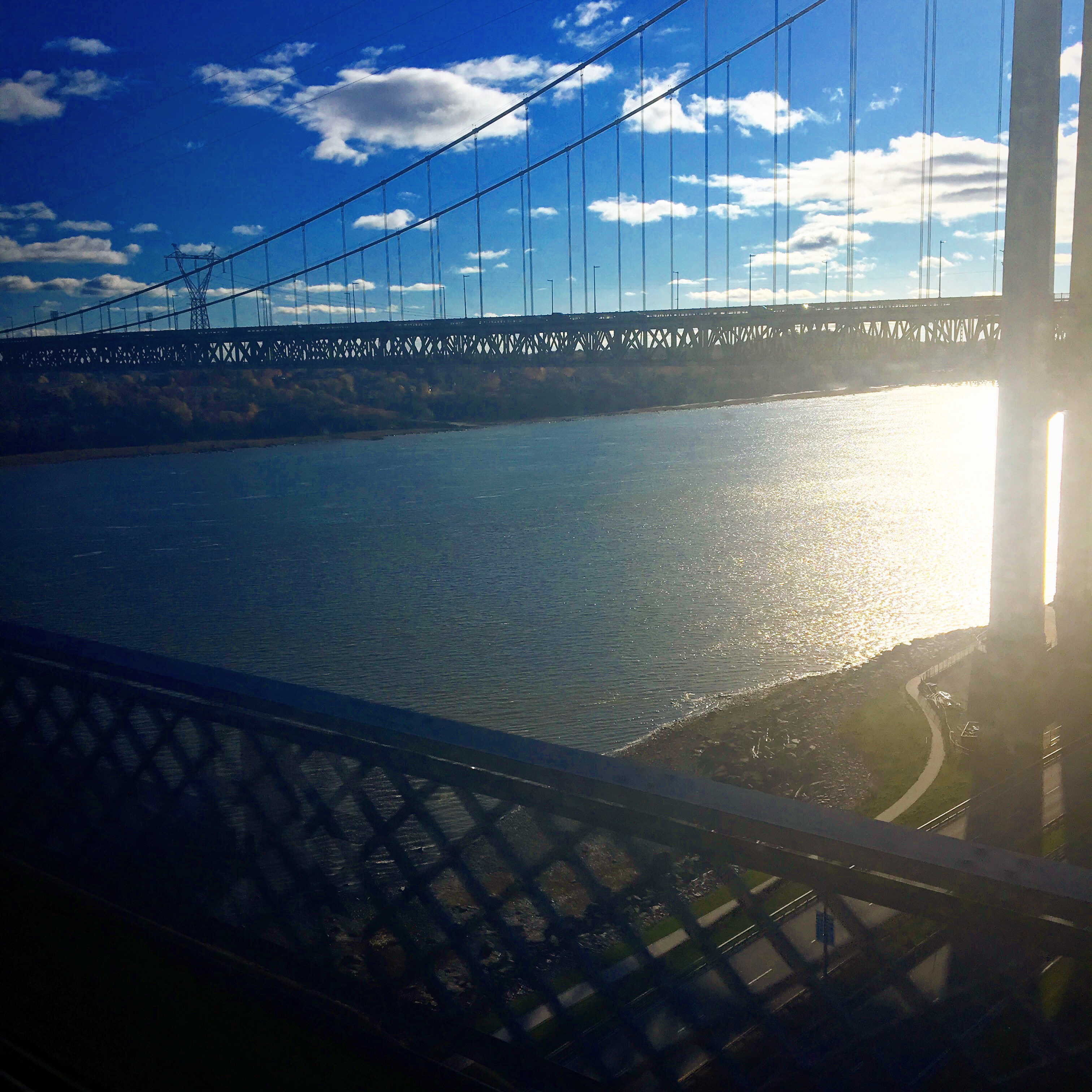
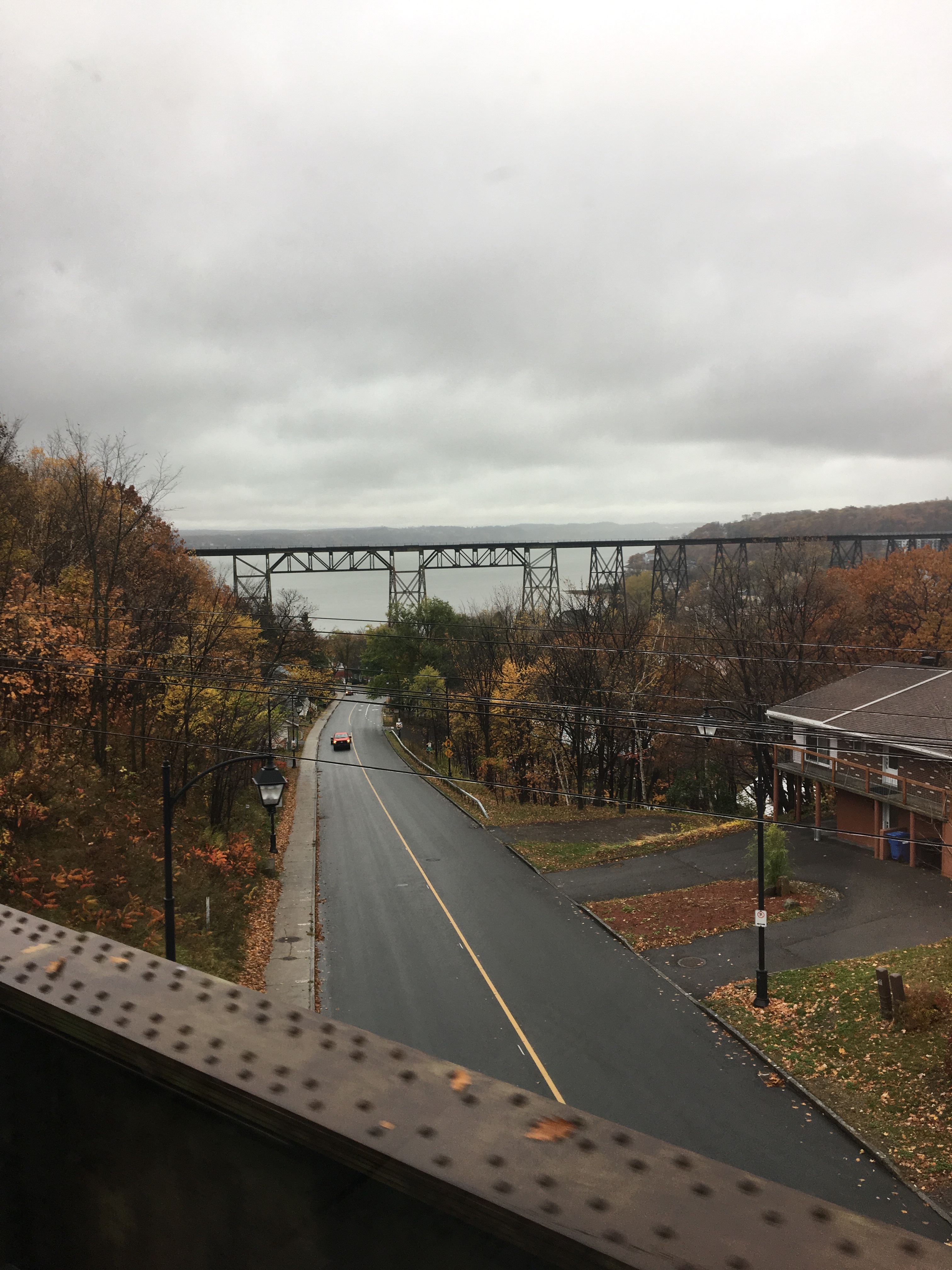
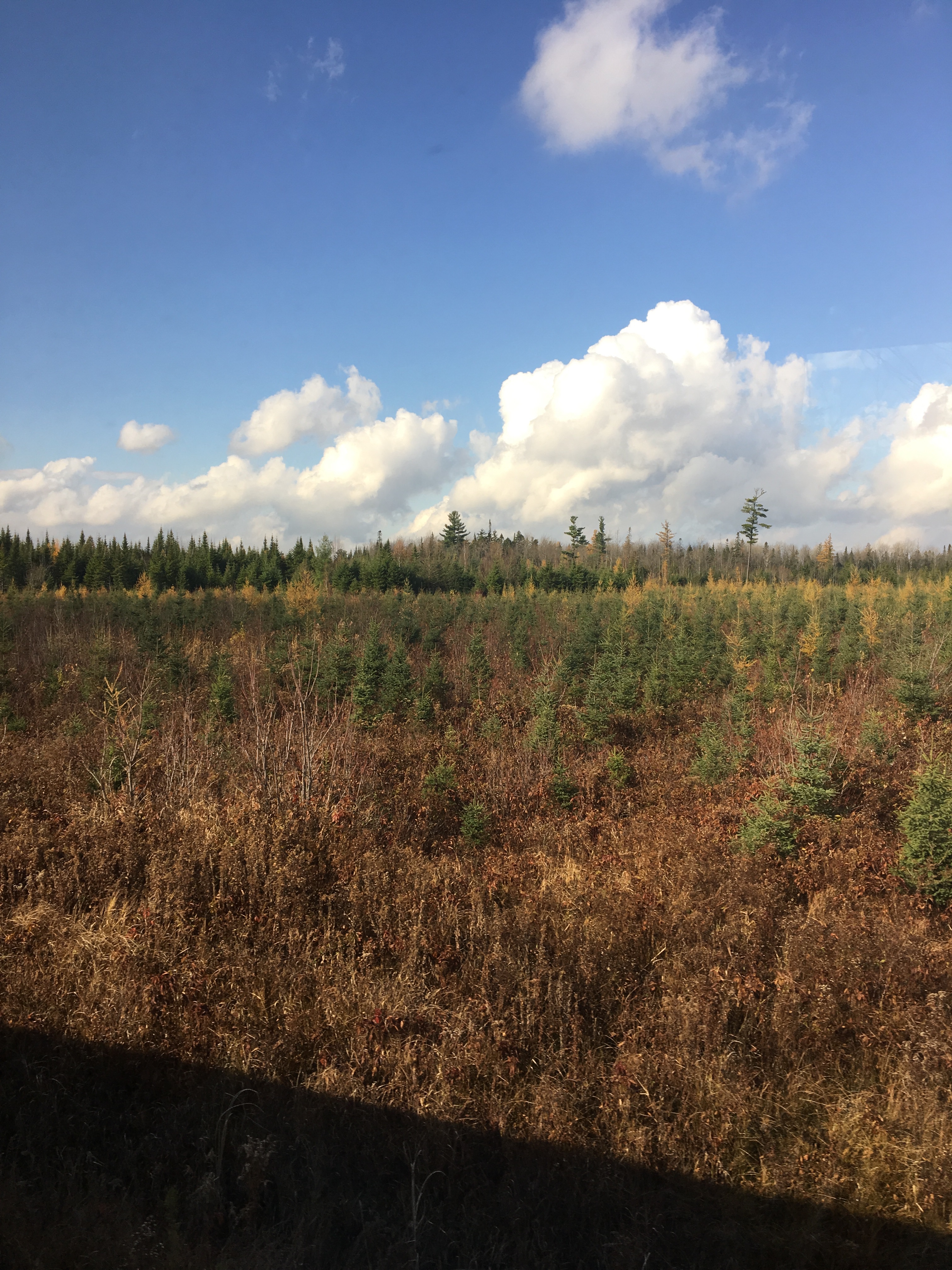
Last week I had the privilege of going and spending a few days in Québec City. Québec City is the capital of the province and one of the oldest cities in North America. It is a popular tourist destination and one of Canada’s most important economic centers. It takes about 3.5 hours to travel there from Montréal by train, the easiest and greenest way to go. VIA Rail is the national railroad company and their fares are much cheaper than AMTRAK. Their customer service on the train is very good, but you might get stuck with a very small uncomfortable seat (as I did on the return trip). The trip between Montréal and Québec City goes through many small towns, scenic forest (it is especially nice this time of year with the foliage) and across the Saint Lawerence.

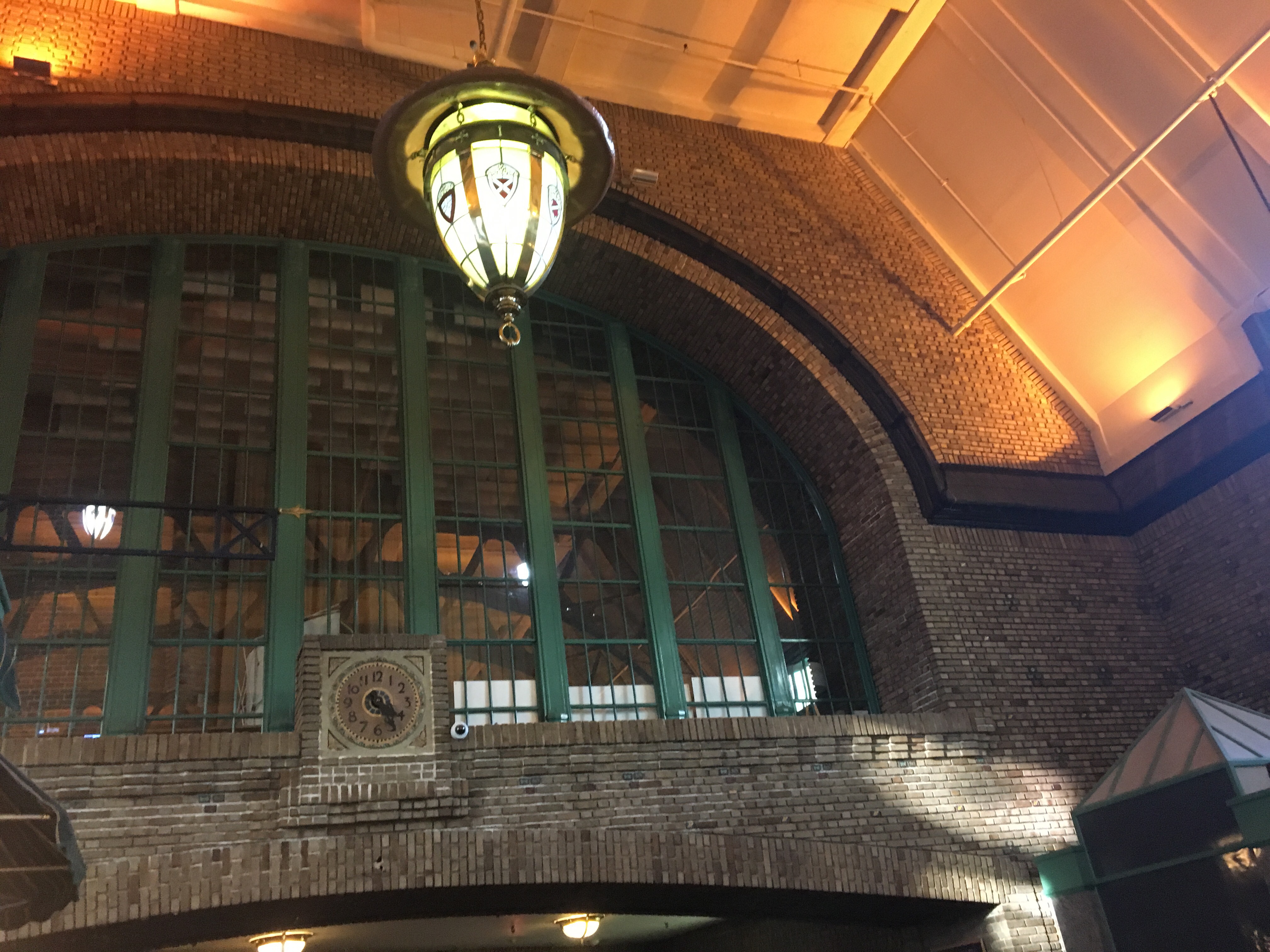
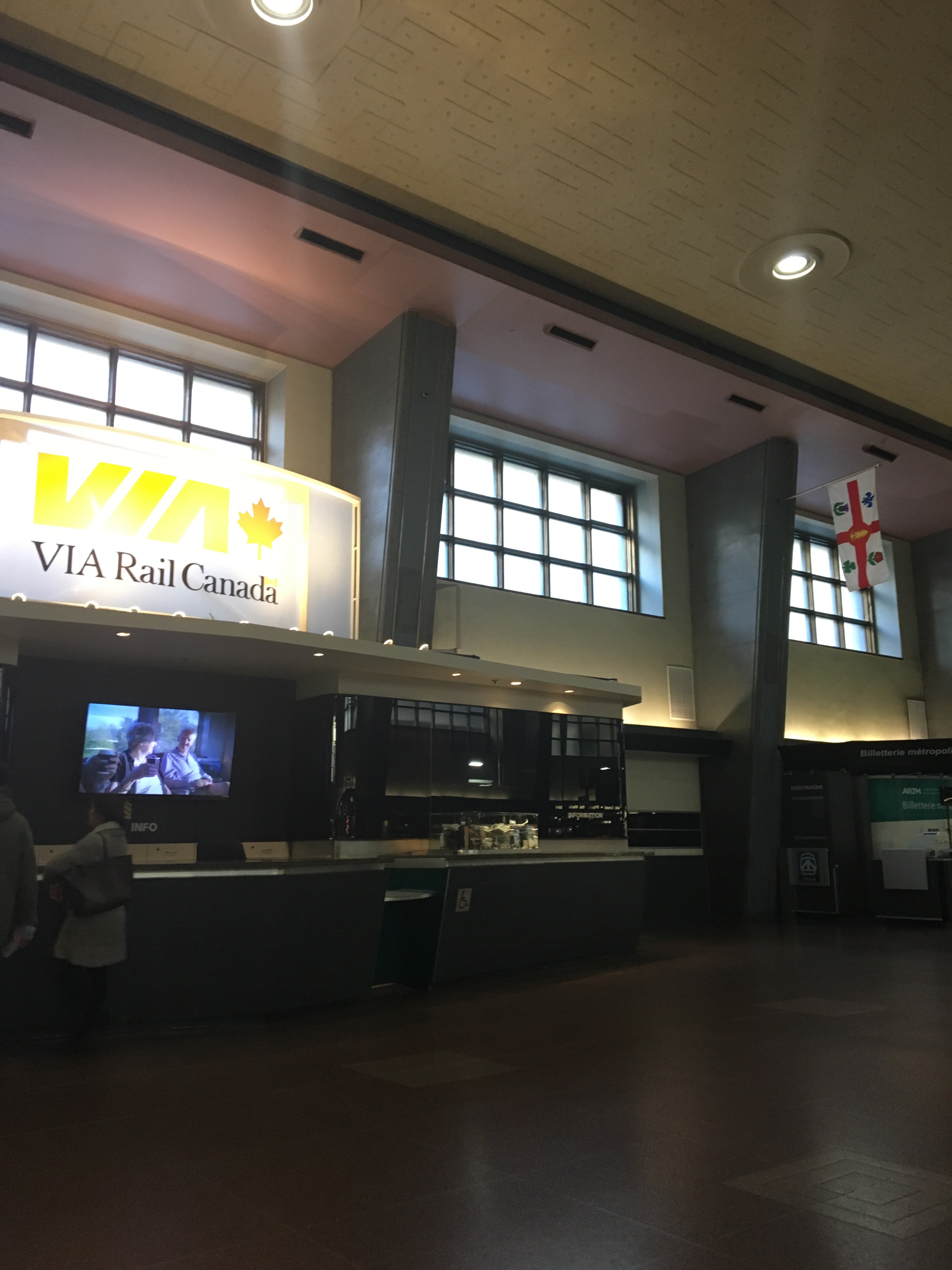
Gare Centrale in Montréal
Au revoir, Montréal!
The bridge over the Saint Lawrence towards Québec City
Foliage on the return trip
Taiga
Gare du Palais in Québec City

The train station in Québec City (Gare du Palais) is on the riverside very close to the Old City (the original walled settlement) but it is not easily accessible just by walking, so you must take either a city bus or a taxi (they do have Uber in Canada, but I do not use that service, both for my safety and because they do not pay the people who work for them fairly).

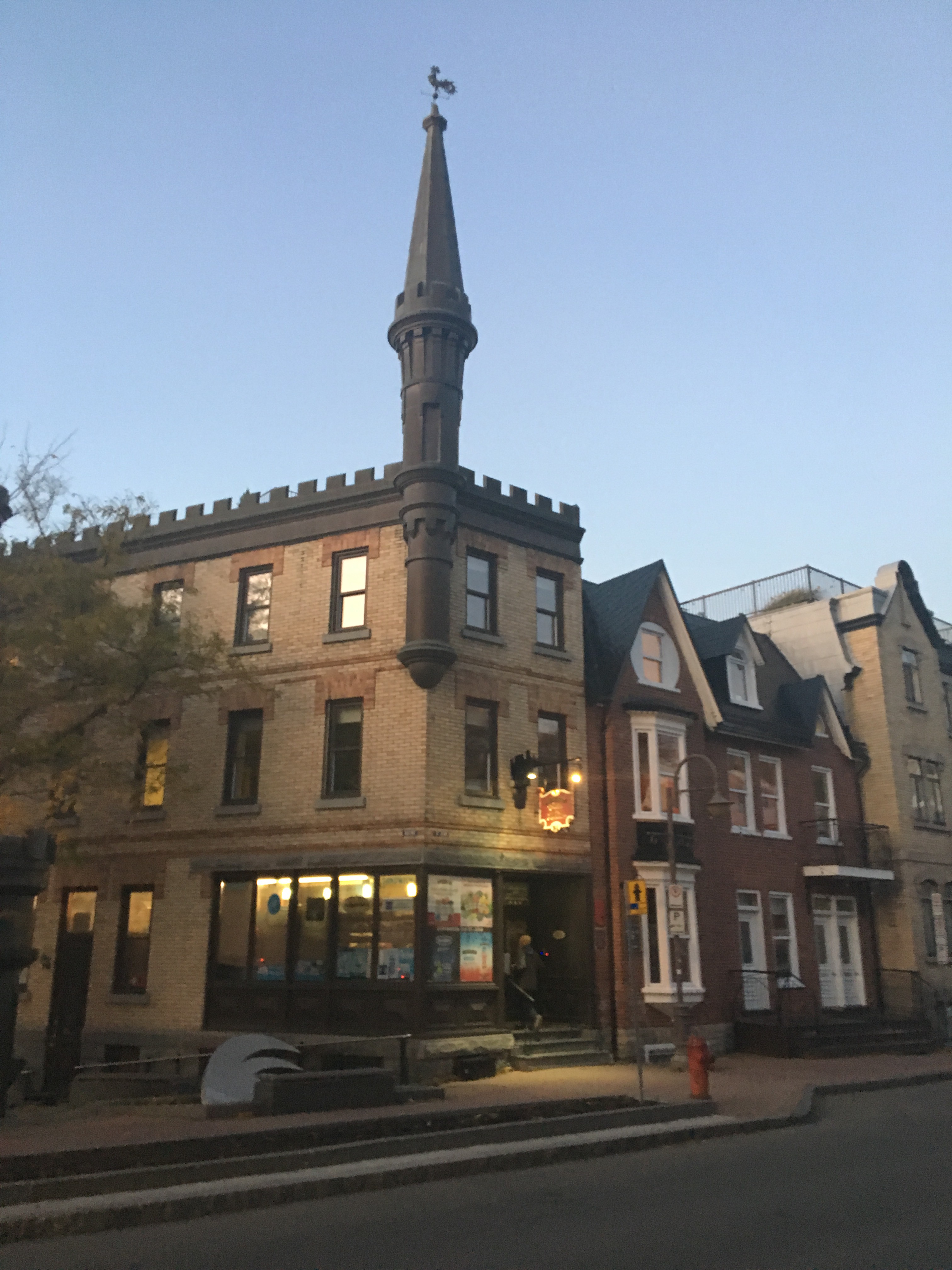
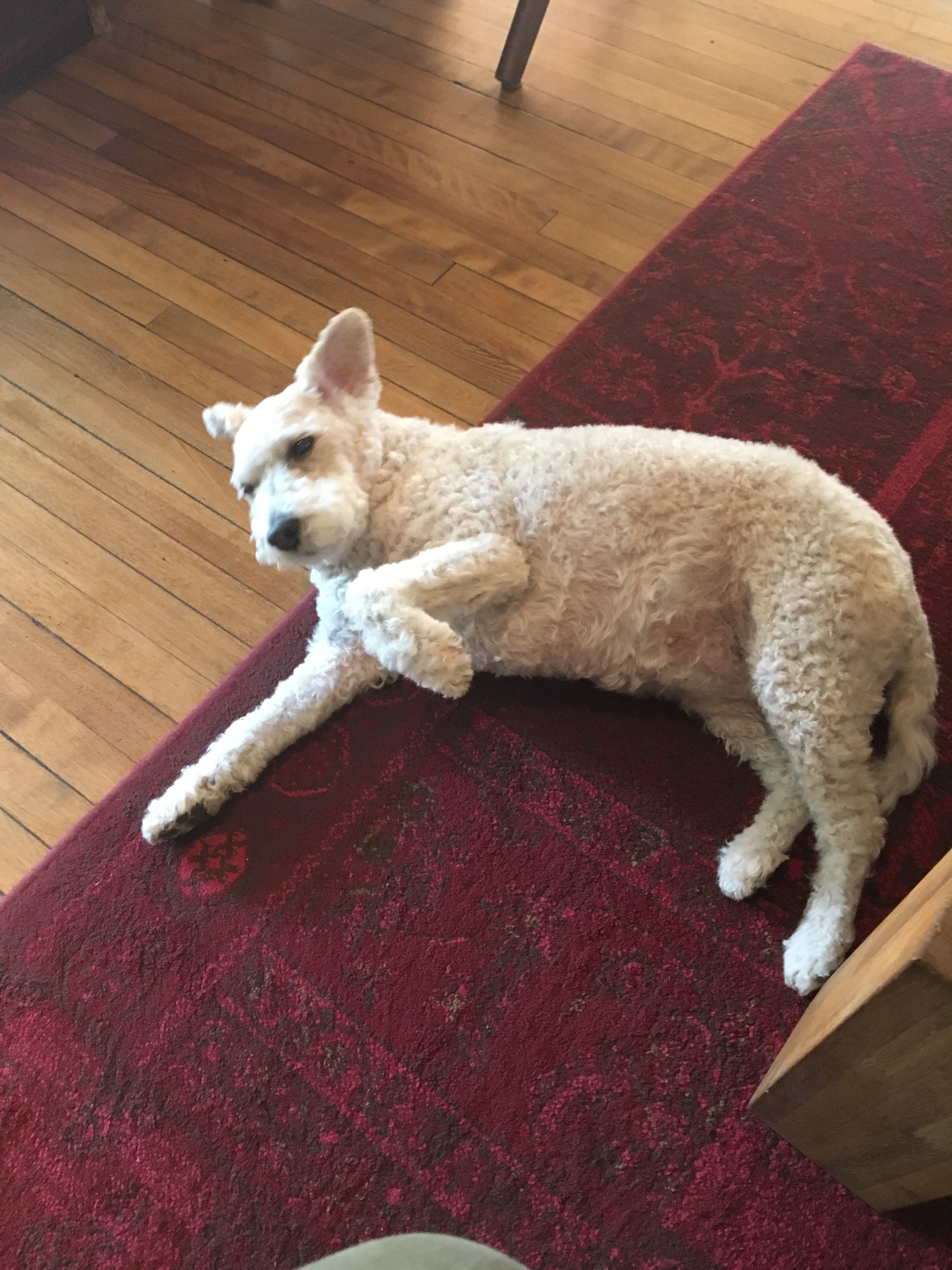
I stayed at a small inn a little outside of the Old City. The price was very reasonable for the amount of time I spent and breakfast was included. The hosts also had a very cute dog (always a selling point for me!).

The inn
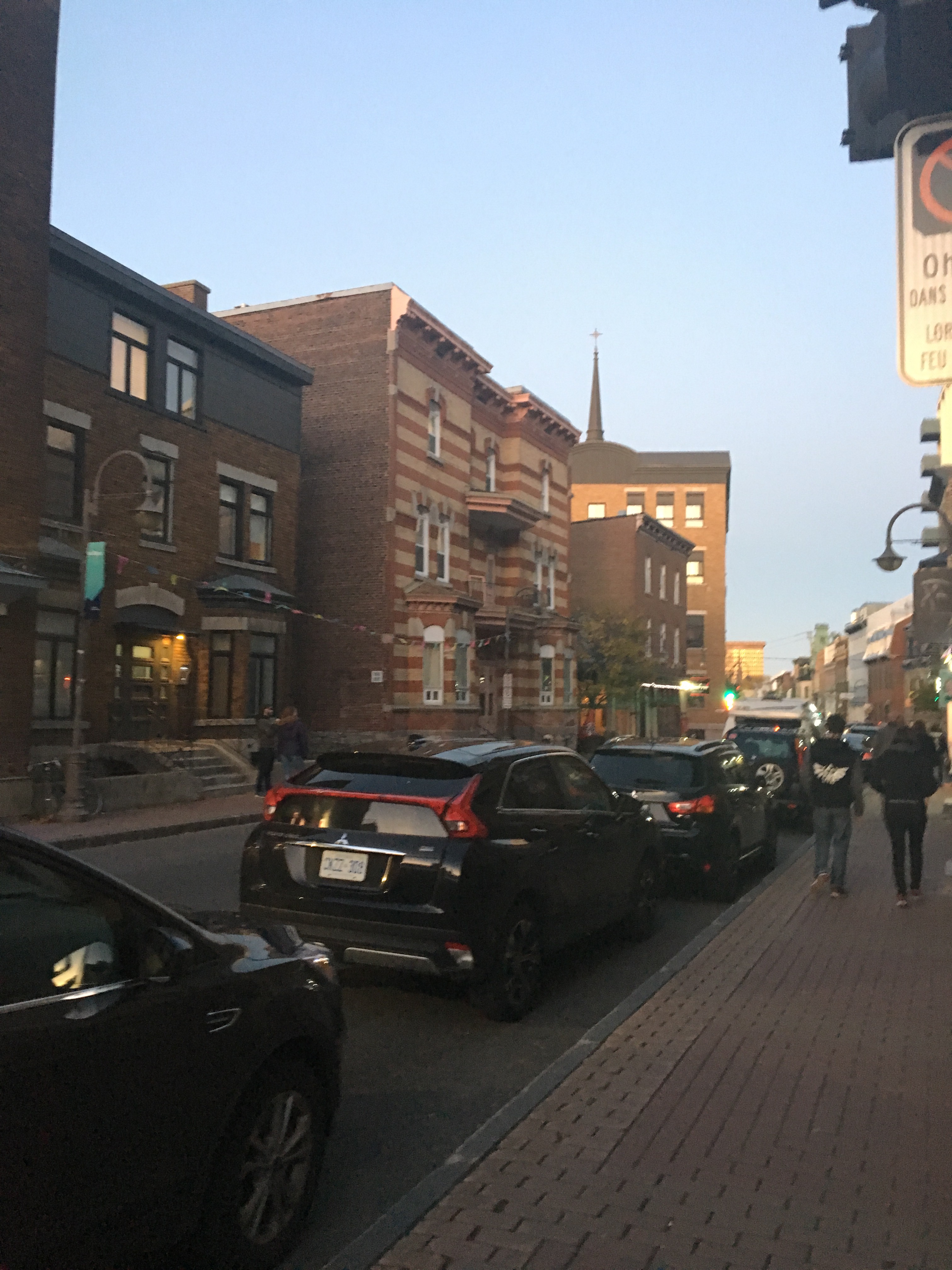
Saint-Jean-Baptiste neighborhood

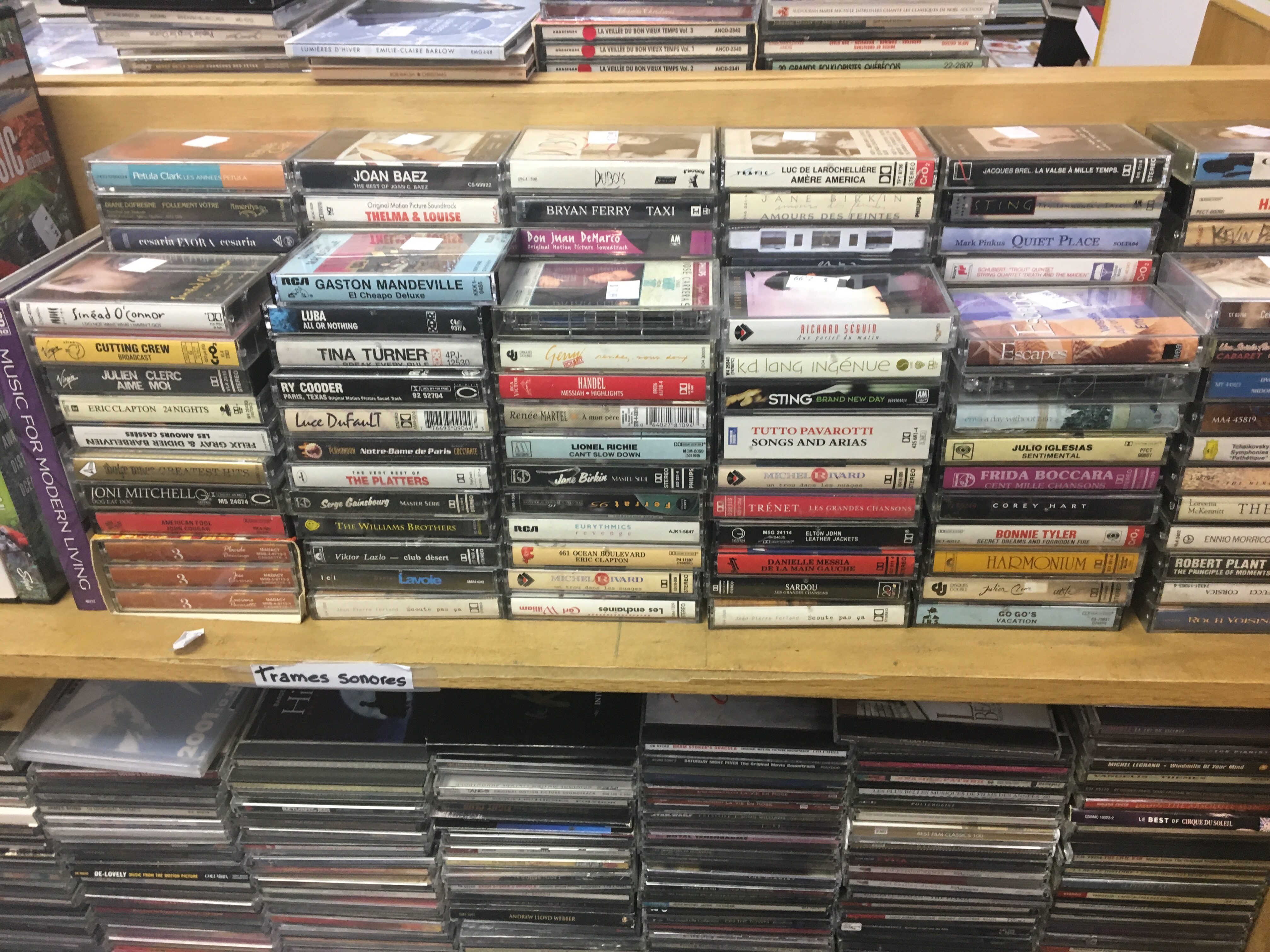
The neighborhood around the inn had some interesting shops and restaurants around. I particularly enjoyed a small shop that sold pre-owned books and music (mostly in French) at generous prices. I was shocked to still see cassette tapes and VHS being sold!

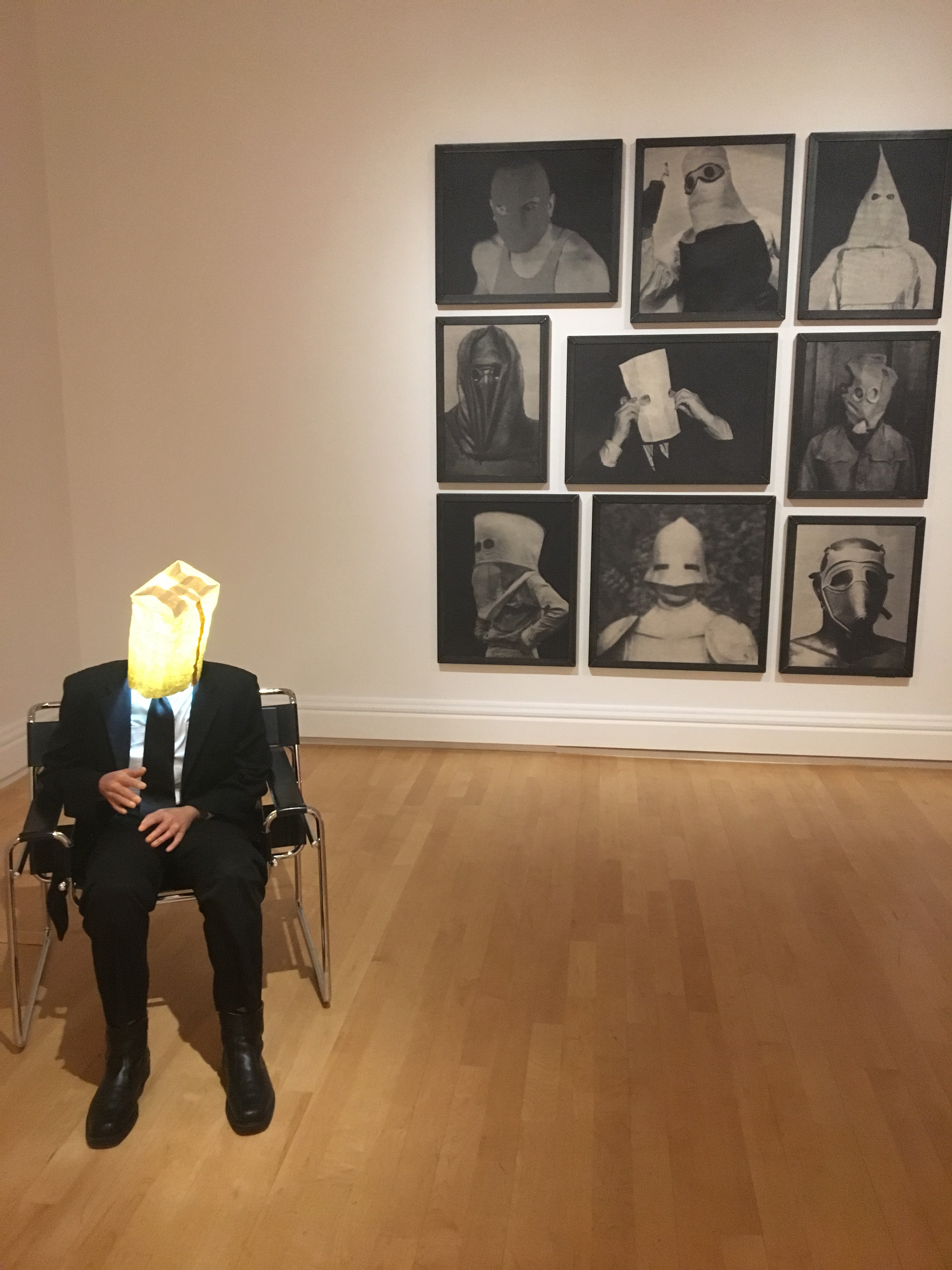
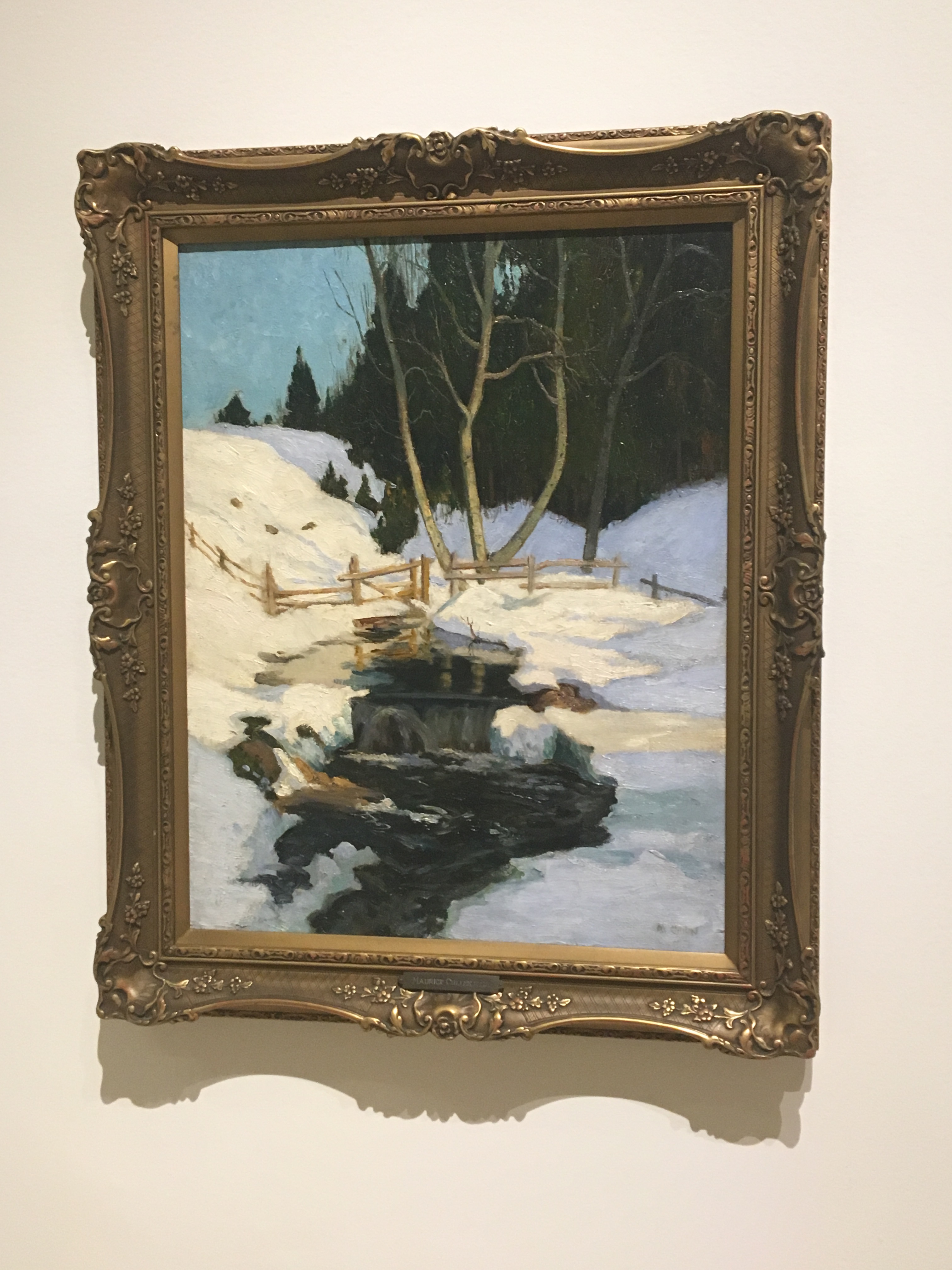
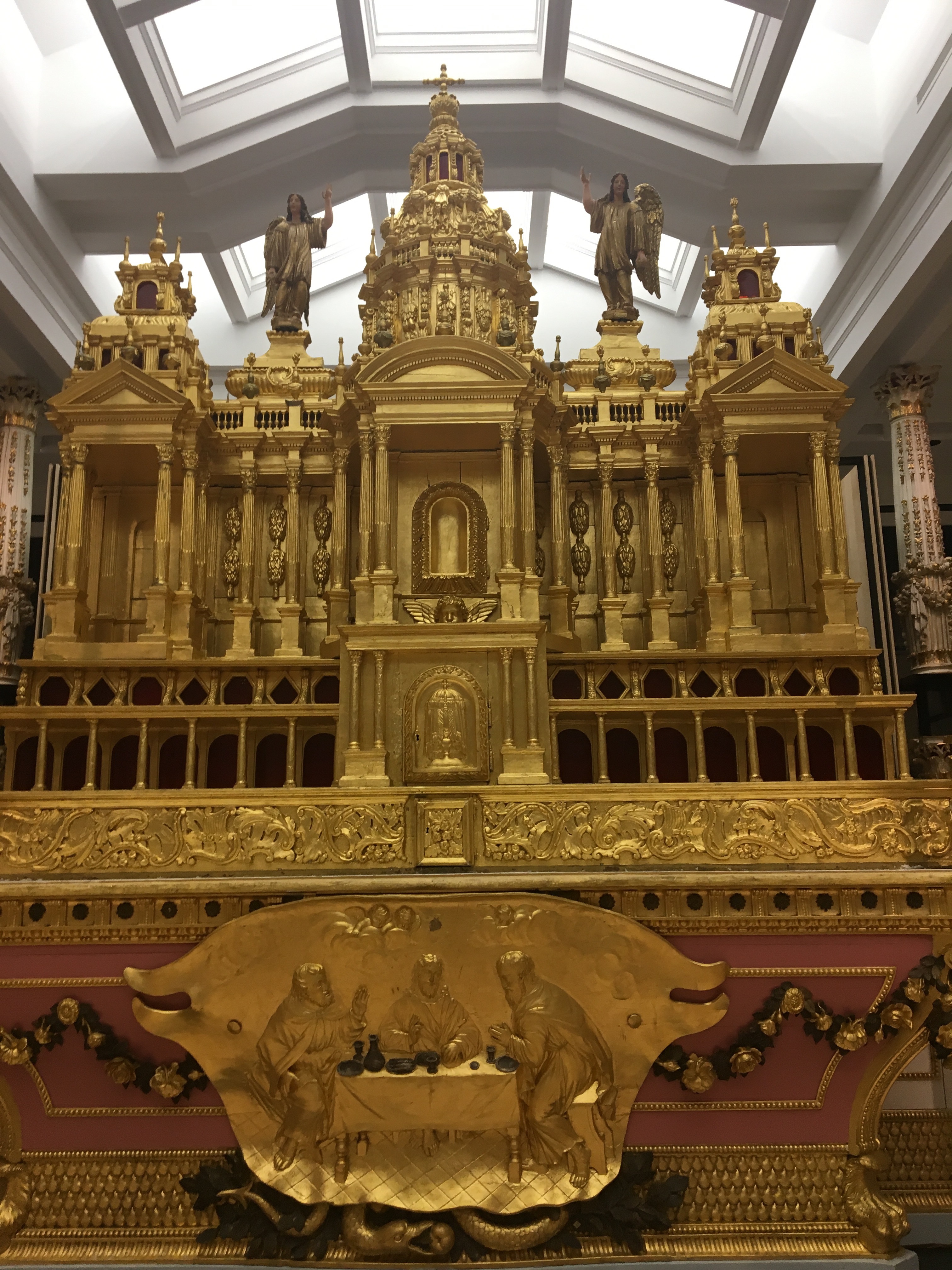
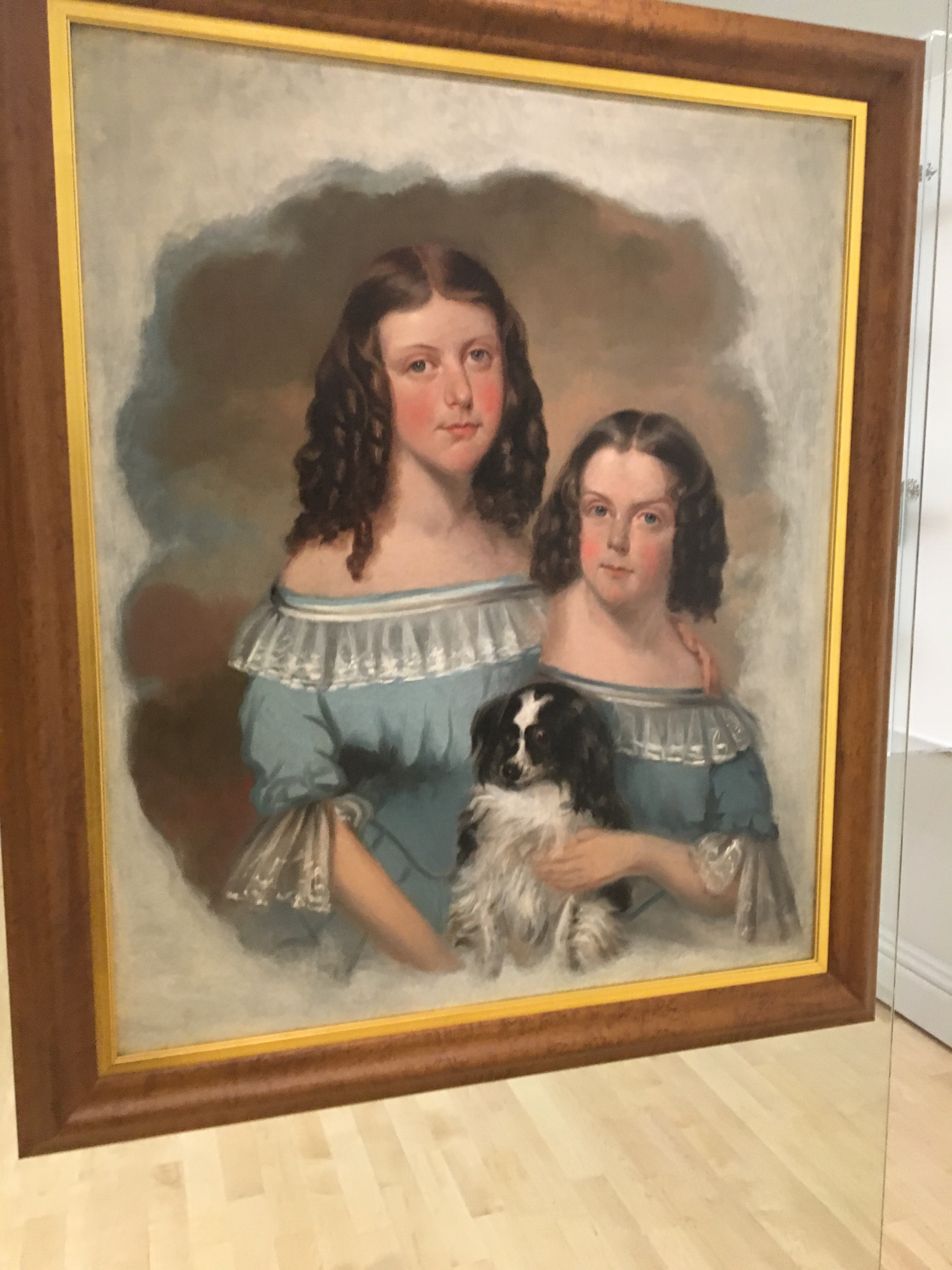
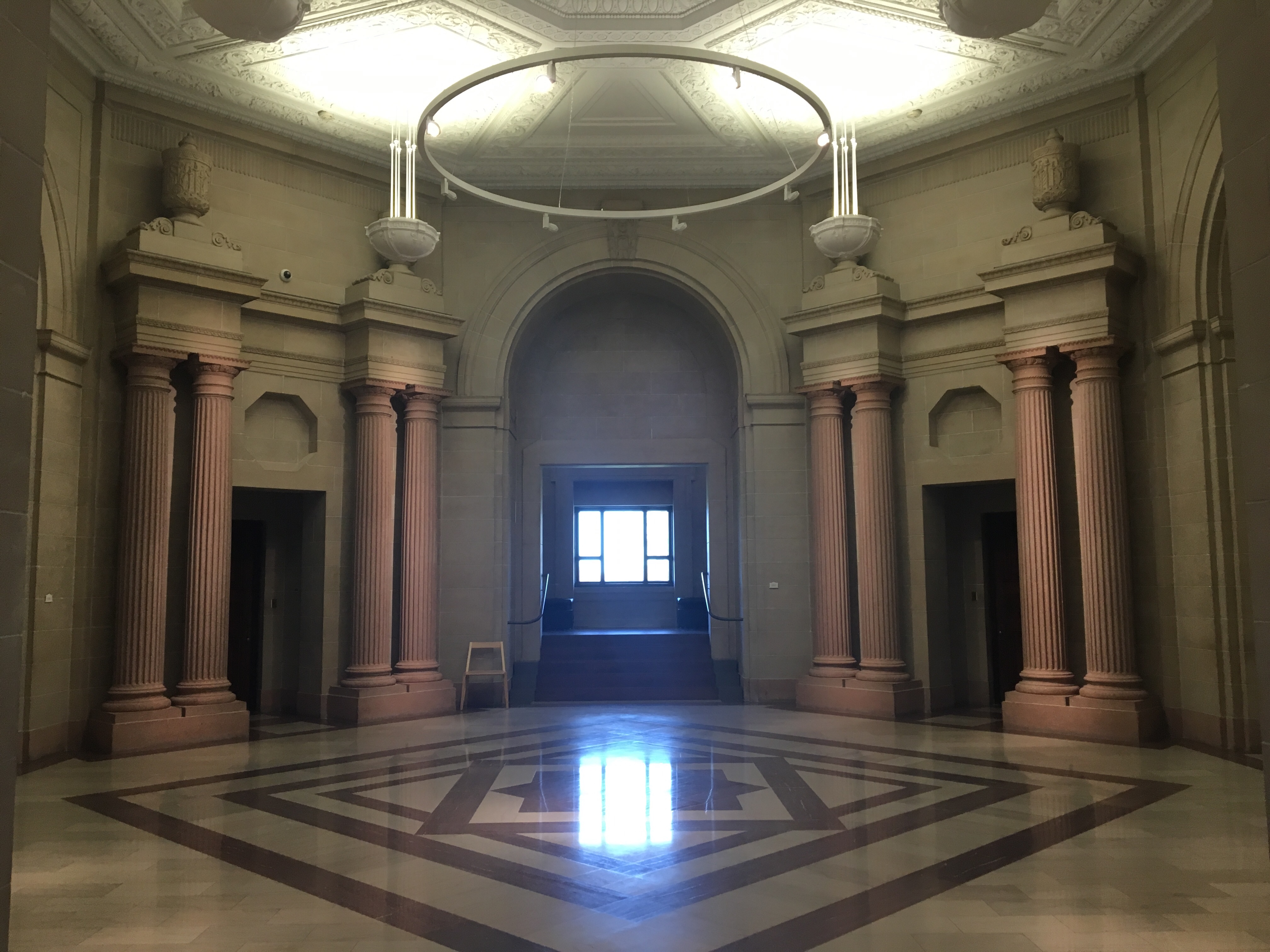
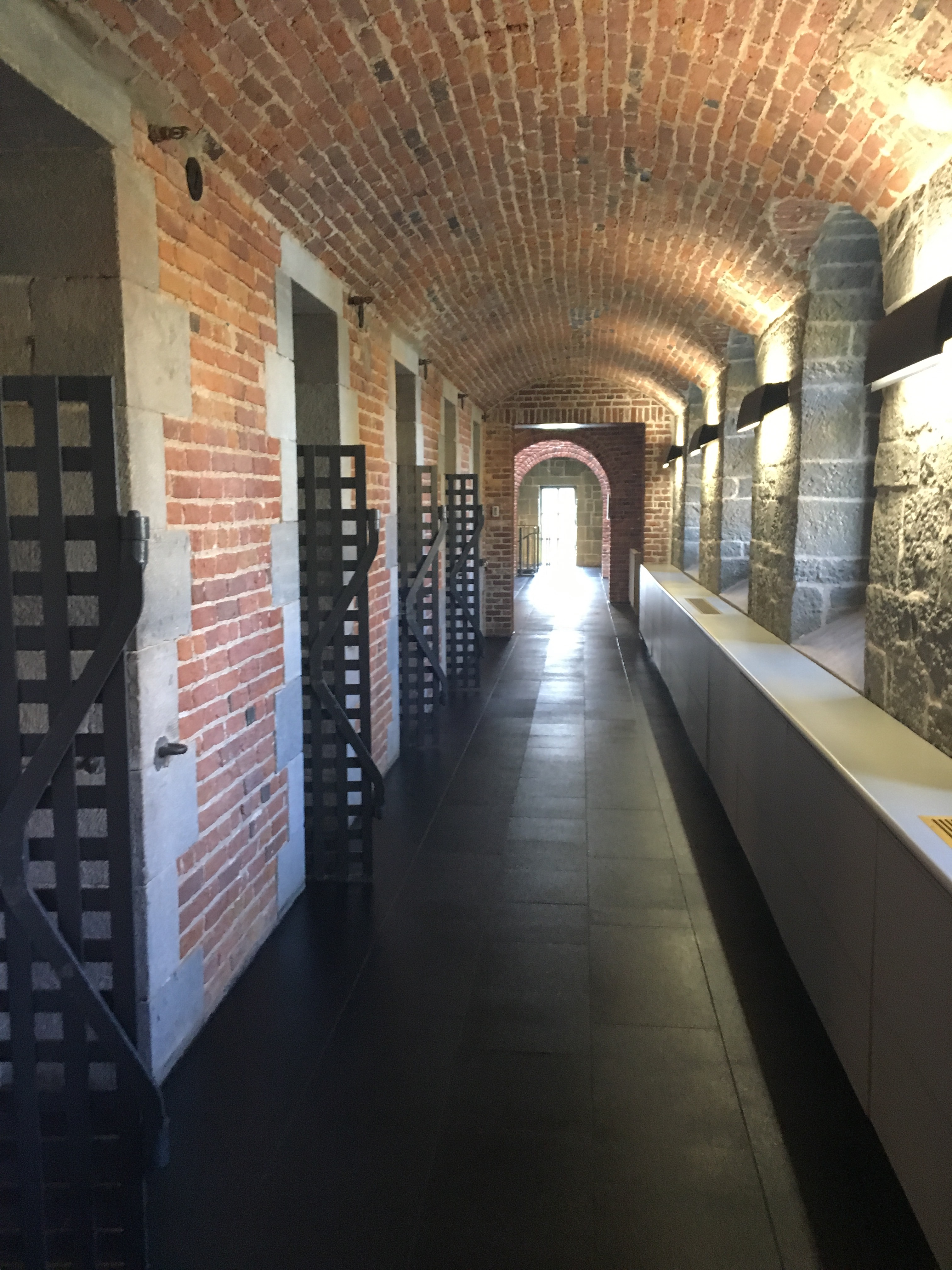
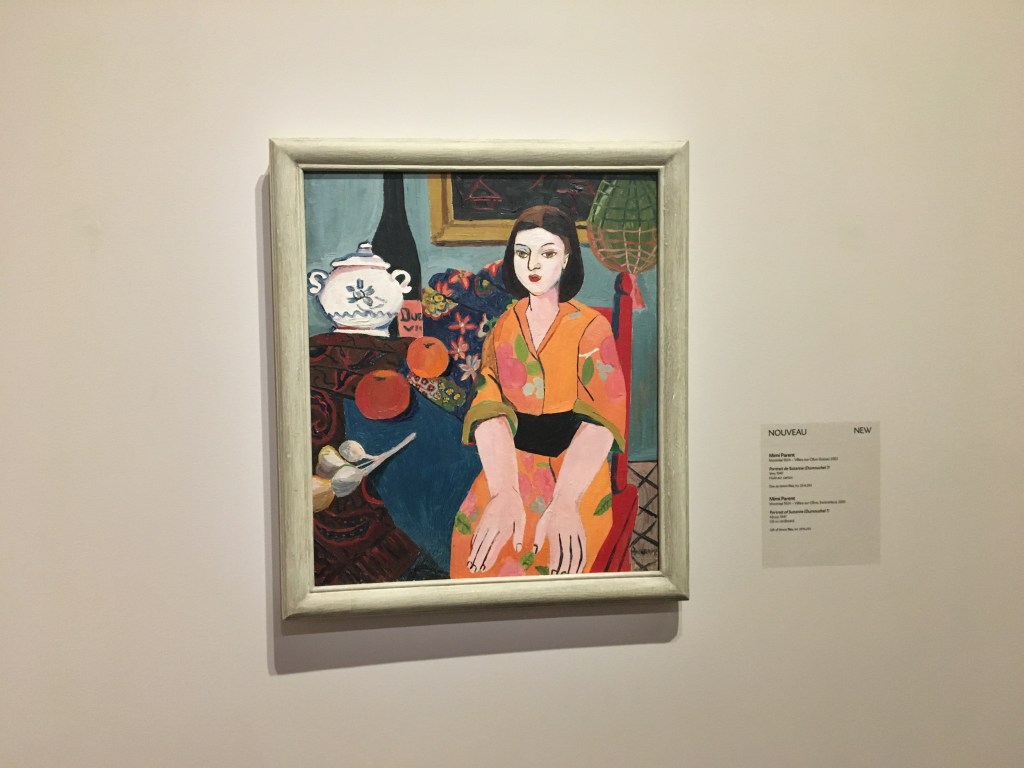
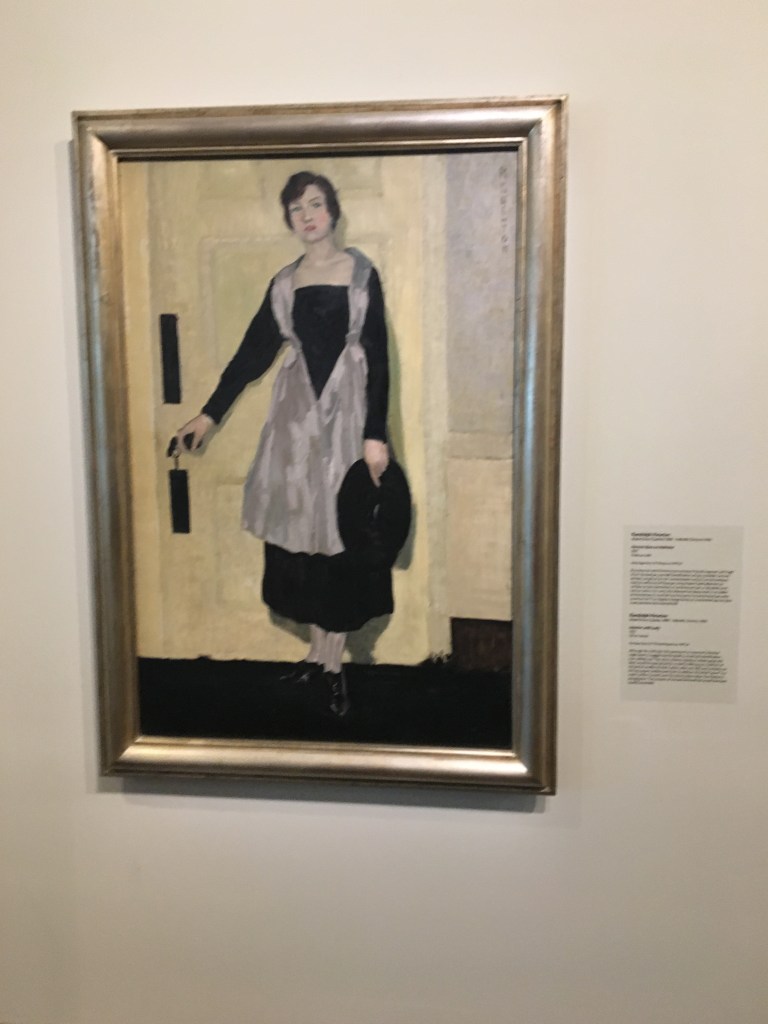
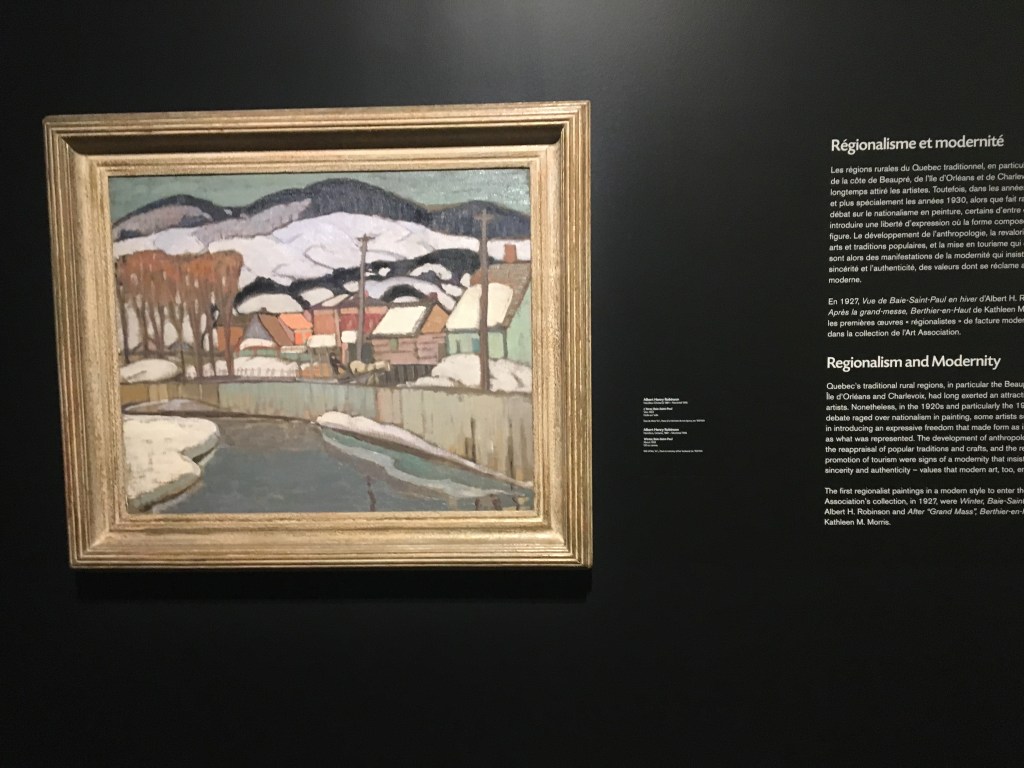
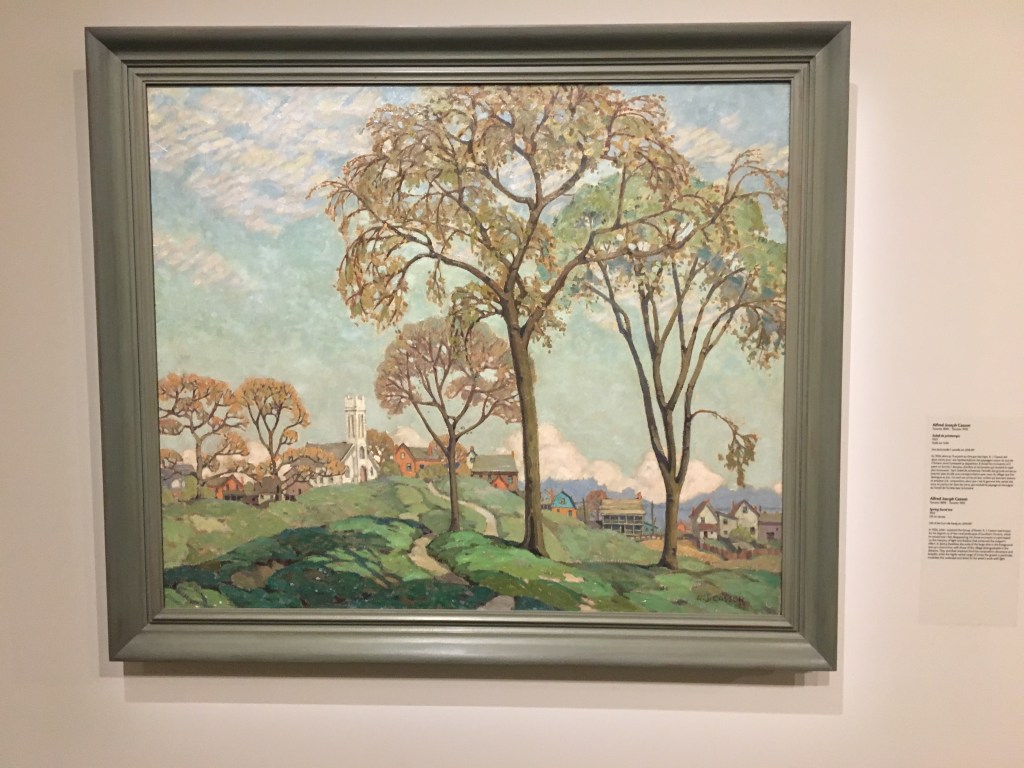
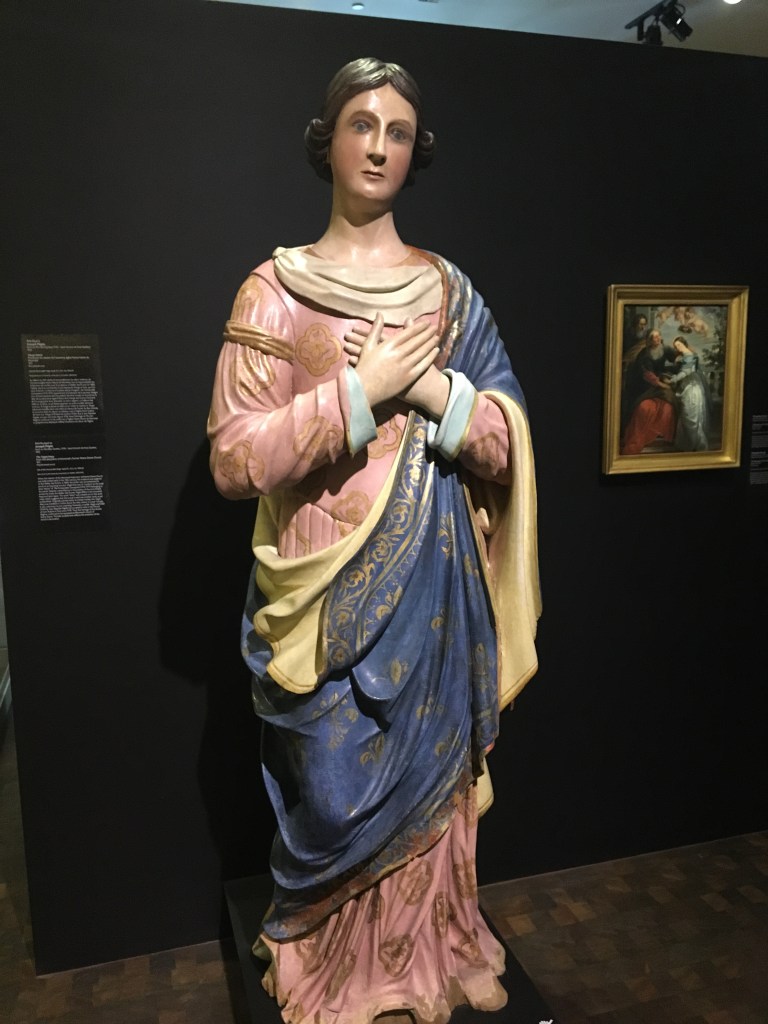
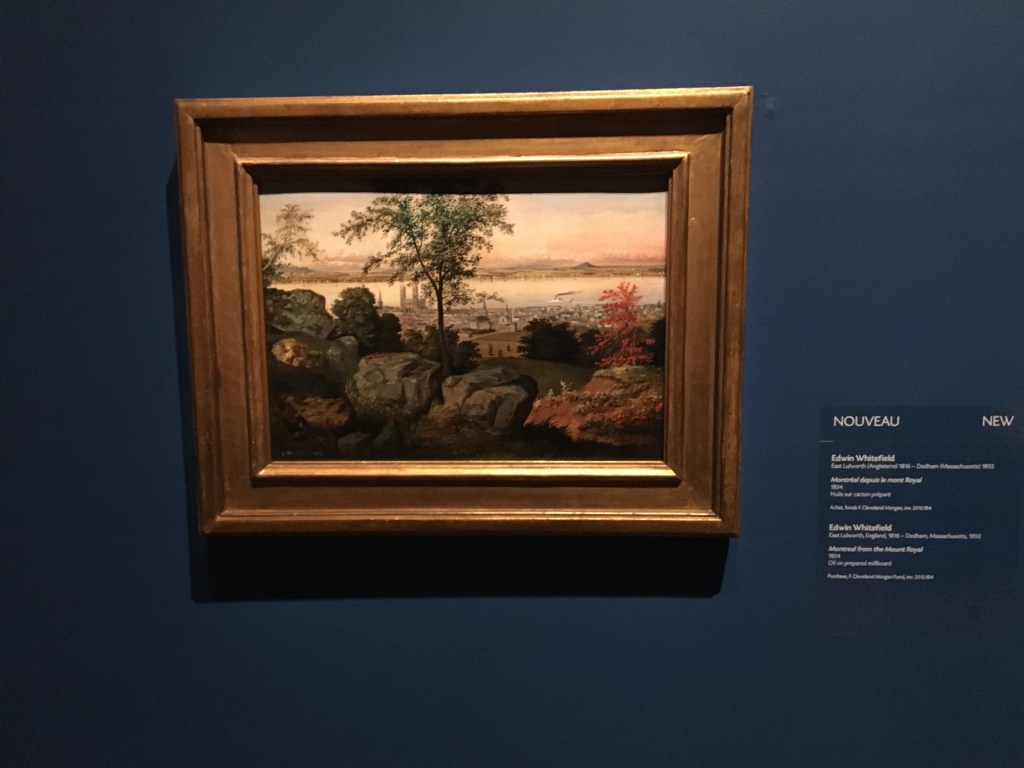
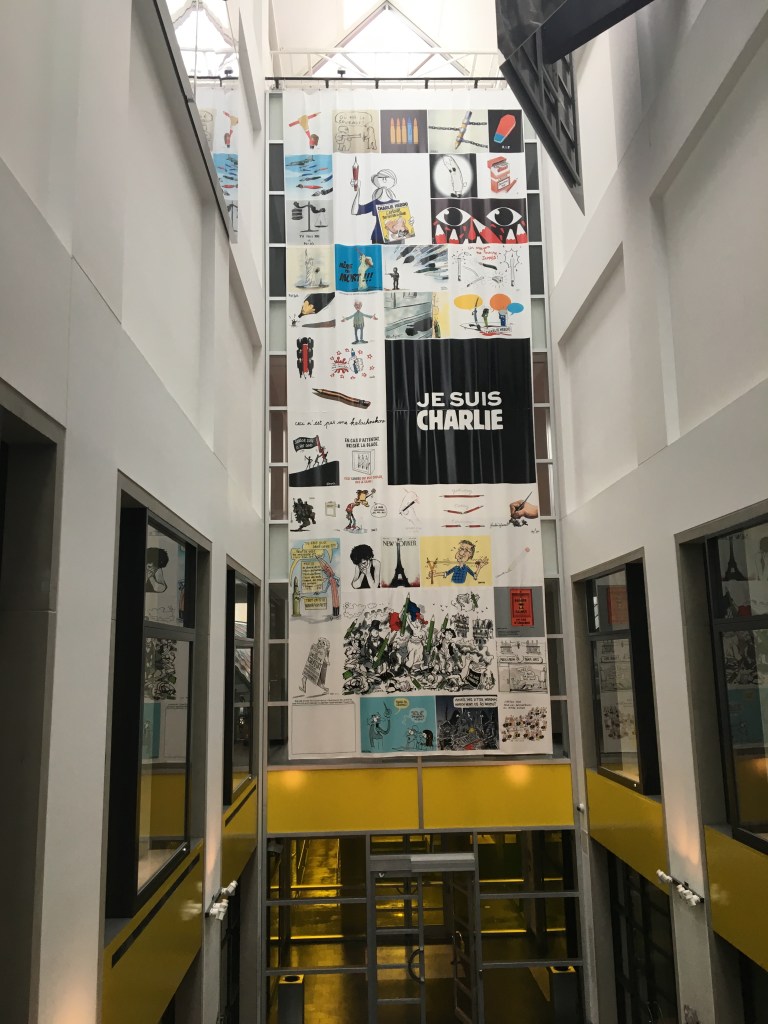
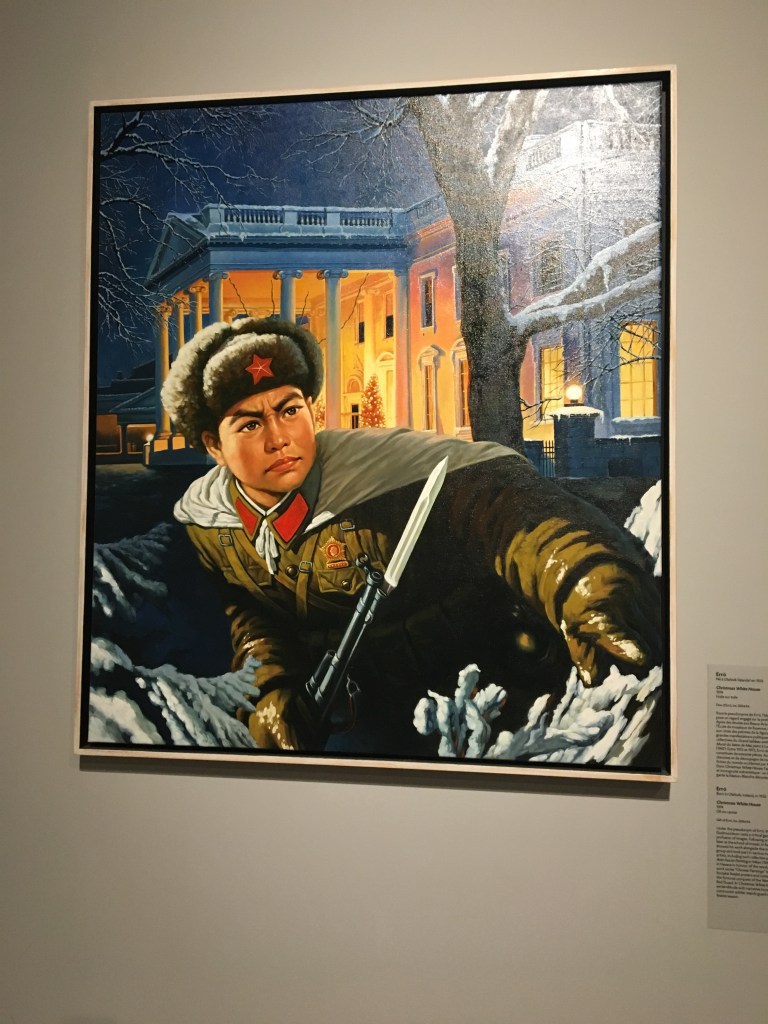
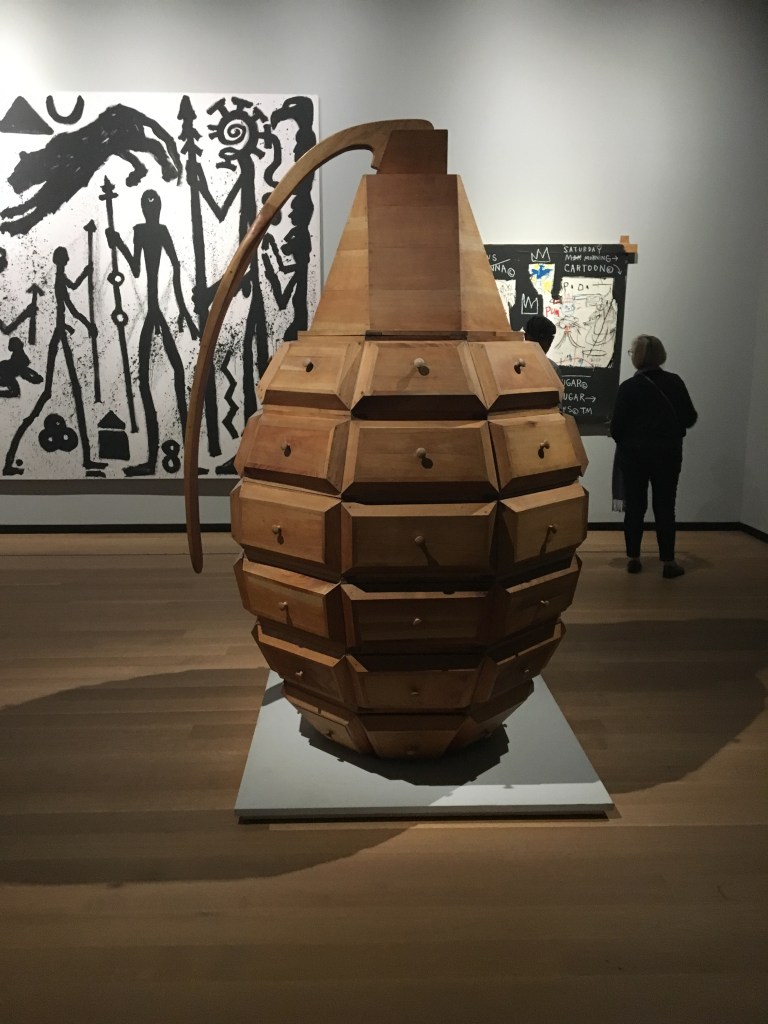
I’ll finish off this first post with a couple pictures from the Musée des beaux-arts de Québec, the city’s art museum. The collection is mostly contemporary art, which, I admit, I don’t really like, but it is worth the trip for the architecture of the building (one part of the museum is in a former prison and the other in what appeared to be a former courthouse) and the historic Québécois art.

I did find this exhibit in the modern art building interesting

À la prochaine!

Les élections canadiennes

Bonsoir à tous mes lecteurs! Ce sera un petit article en français. Je viens de terminer mes deux premiers examens (la raison pour mon absence prolongé) et je suis maintenant à Québec jusqu’à mercredi. J’aurai des photos et de textes plus tard! Pour le moment, je veux parler des élections canadiennes qui ont lieu aujourd’hui.

Ces élections sont fédérales (pas provinciales) et les canadiens votent pour le nouvel premier ministre, le chef de facto du gouvernement. Le système est parlementaire et ce n’est pas comme les élections présidentielles aux États-Unis où en France. Ici, chaque district électoral vote pour un représentant dans le parliament. Si un parti a une majorité dans le parliament à la fin de l’élection, son chef devient le premier ministre. Si aucun parti reçoit une majorité (le Canada a plusieurs petits partis hors des grands deux), le parti avec une pluralité doit former un gouvernement minoritaire avec des autres pour que son chef devienne premier ministre. Sinon, il y aura une nouvelle élection.

Voici les partis et leurs chefs:

  • Parti libéral- Justin Trudeau (de centre-gauche/néolibéral)
  • Parti conservateur- Andrew Scheer (de droite/néoconservateur)
  • Nouveau parti démocratique- Jagmeet Singh (de gauche/socialisme démocratique)
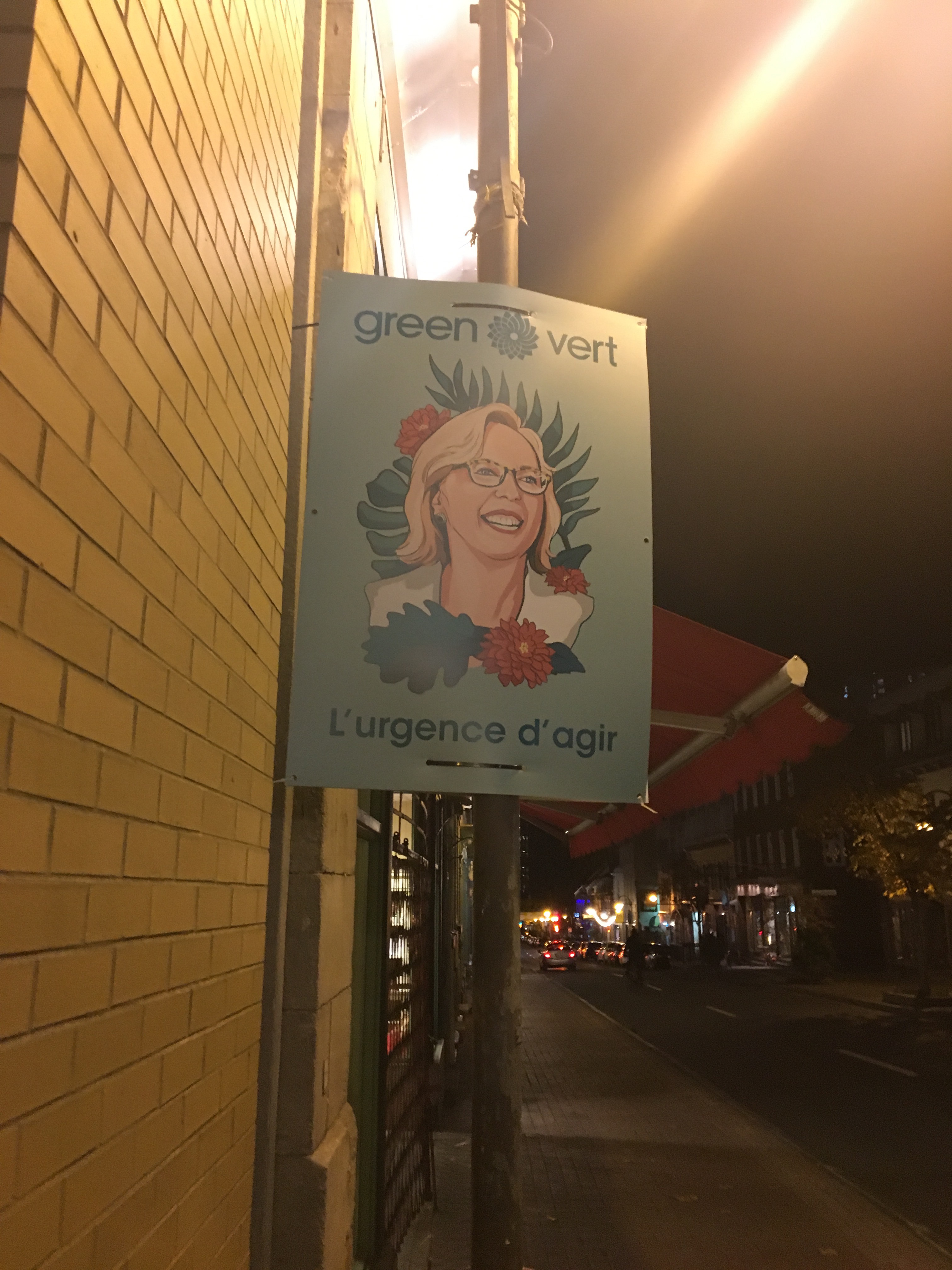
  • Parti vert- Elizabeth May (de gauche/écologisme)
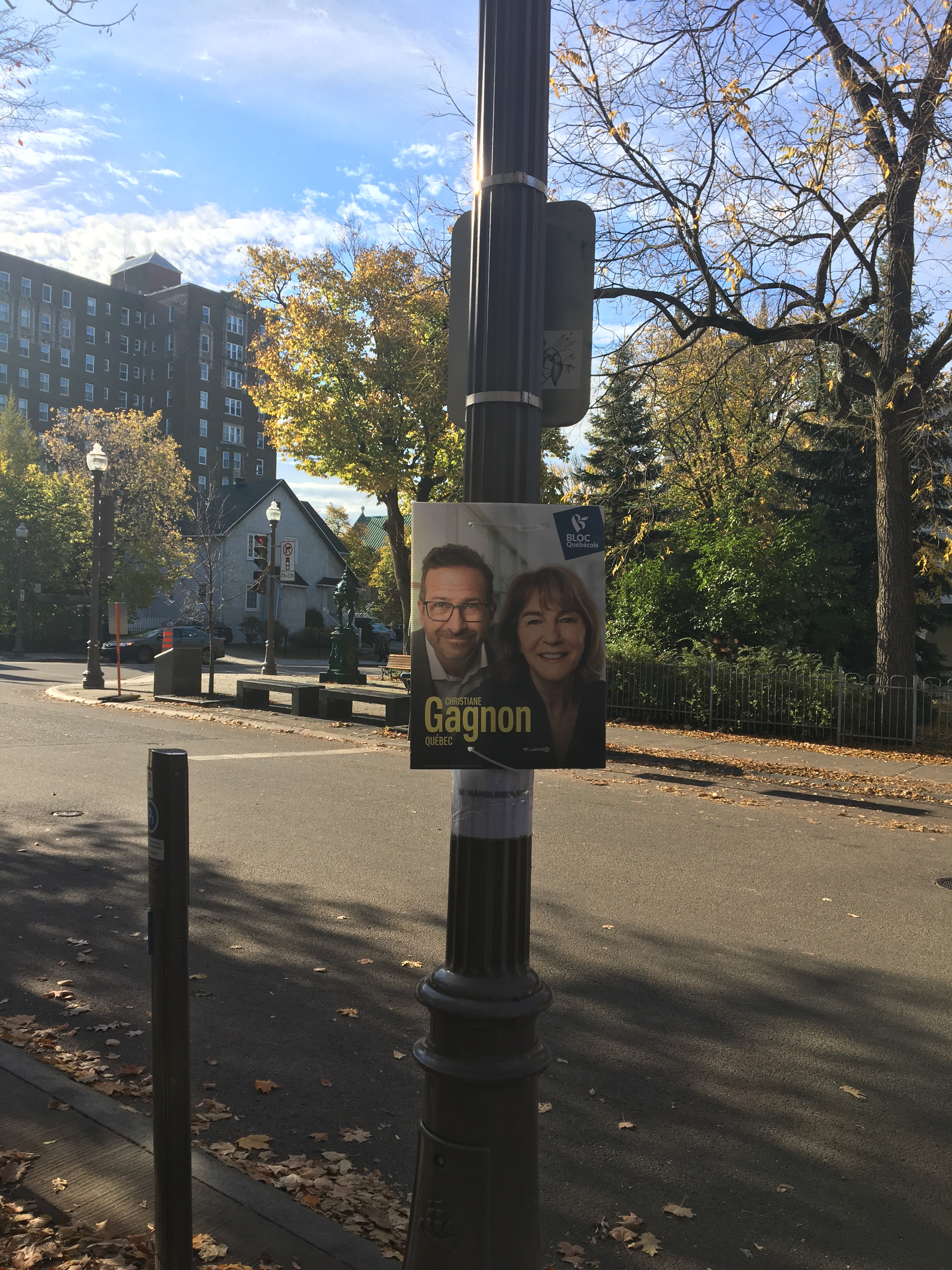
  • Bloc québécois- Yves-François Blanchet (multi-tendante/souveraineté québécoise)
  • Parti populaire du Canada- Maxime Berger (d’extrême-droite)
Publicité pour Elizabeth May
Publicité pour le Bloc à Saint-Jean-Baptiste
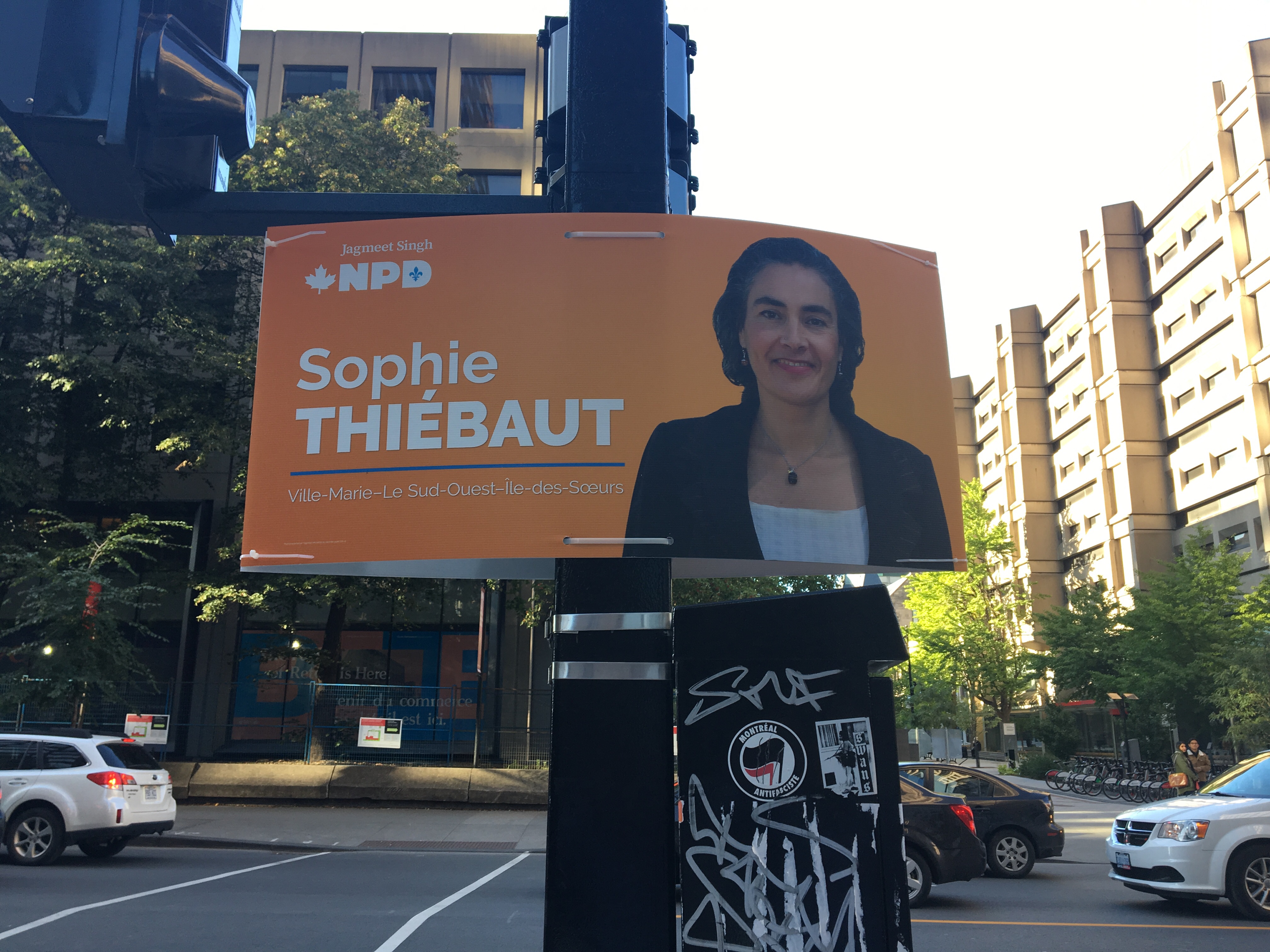
Publicité pour le NPD à Montréal (quelque chose d’intéressant : son nom de famille est la version française du mien!)

Les médias ici disent que cette élection sera très polarisé et on croit qu’aucun parti aura une majorité parlementaire. Les candidats des deux grands partis sont marqués par des scandales et des controverses. Justin Trudeau (le premier ministre actuel et le chef du parti libéral) est en fait plus impopulaire que Donald Trump à cause des scandales de corruption, le licenciement du ministre de justice et les photos de lui en blackface. Le CBC prédit que son parti gagnera une pluralité des sièges, mais Trudeau devra former une coalition avec le parti vert ou le NPD. Le chef du parti conservateur, Andrew Scheer, est aussi le sujet des polémiques à cause de son opposition à l’avortement et au marriage homosexuel et à cause de sa double citoyenneté (il a la citoyenneté américaine).

Au Québec, on croit que les libéraux et le Bloc gagnera les sièges ici (Trudeau est de Montréal et le Bloc veut protéger la loi provinciale de la laïcité, qui est populaire au Québec mais détestée au Canada anglais, face au gouvernement fédéral). Les conservateurs n’ont pas de vraie présence depuis presque un siècle et les autres partis n’ont pas la même influence chez l’électorat.

On aura les résultats ce soir, et, bien que je ne puisse pas voter (malgré les efforts d’un militant du parti libéral dans la rue à me faire voter) ça sera très intéressant de voir qui gagne et comment, et surtout les implications pour les relations entre Canada et les États-Unis.

Nouvelles/Musée des Beaux-Arts/Ville-Marie/La bouffe à Montréal

Bonsoir, readers. I’m back with a much delayed update! The last two weeks have been very busy for me with schoolwork; I’m currently working on research for two papers: one on the antisemitic rhetoric in the Catholic press during the Jewish Public School debate of the early 1930s and another on how ideological dogmatism led to the tragedy of the Duplessis Orphans. As I learn more and get into the actual writing of these papers, I will be happy to share more. I’ve also been rather distracted by the upcoming Canadian election (I will write a brief overview of Québec and federal politics for you after the election) and the current political crisis back home in the United States. Besides that, I’m juggling Chinese and Portuguese courses (taught in French)! But enough with that, I have some fun things to share!

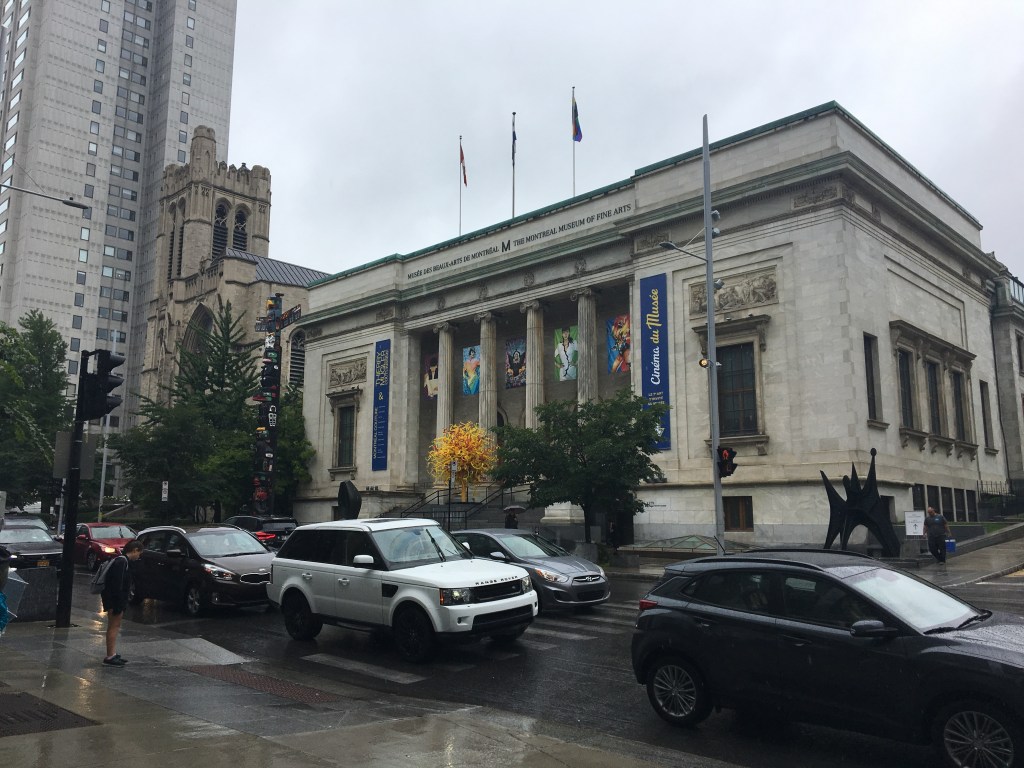
La Musée des Beaux-Arts de Montréal (The Montreal Museum of Fine Arts) is the city’s premier art muesum. This is no tiny gallery: the museum boasts a massive collection spanning multiple floors and buildings of Canadian, First Nations and international art, as well as special cultural events. You can easily spend hours in the museum (I spent about 3) and it’s a great trip for a rainy day. It’s located in the Downtown (Ville-Marie) on Rue Sherbrooke near the Guy-Concordia metro station.

Museum Exterior

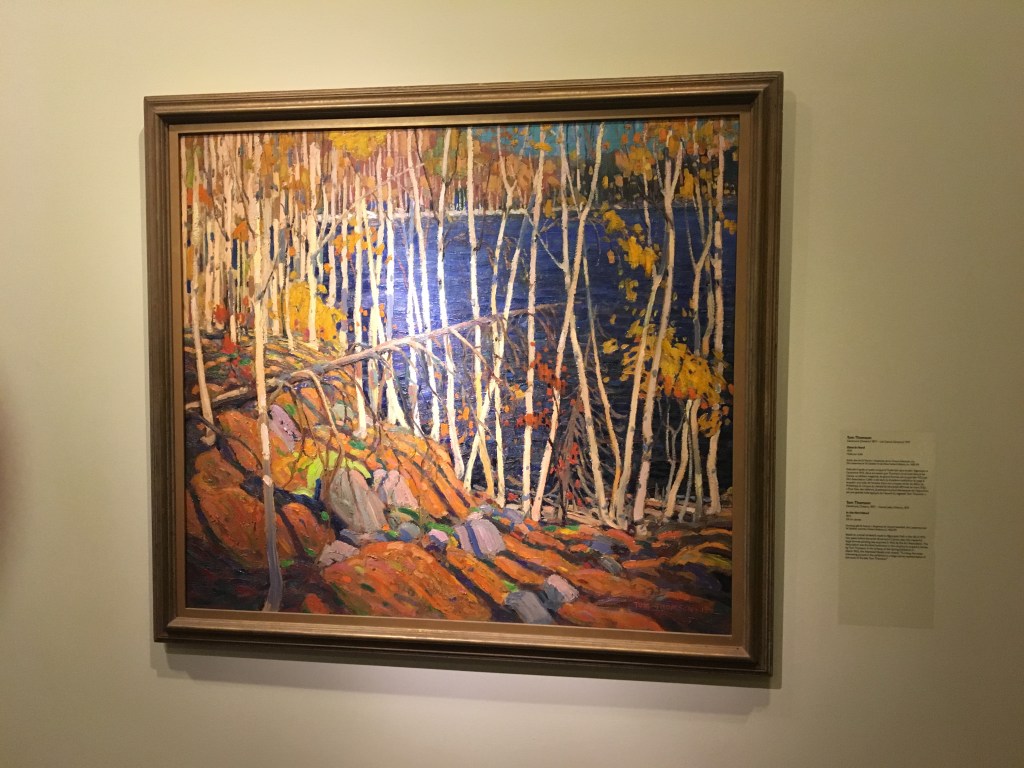
The collection of Canadian art is massive (six floors!) and has exhibits spanning from the colonial era to contemporary art. I personally love the art from the impressionist and post-impressionist periods and the museum did not disappoint in that exhibit!

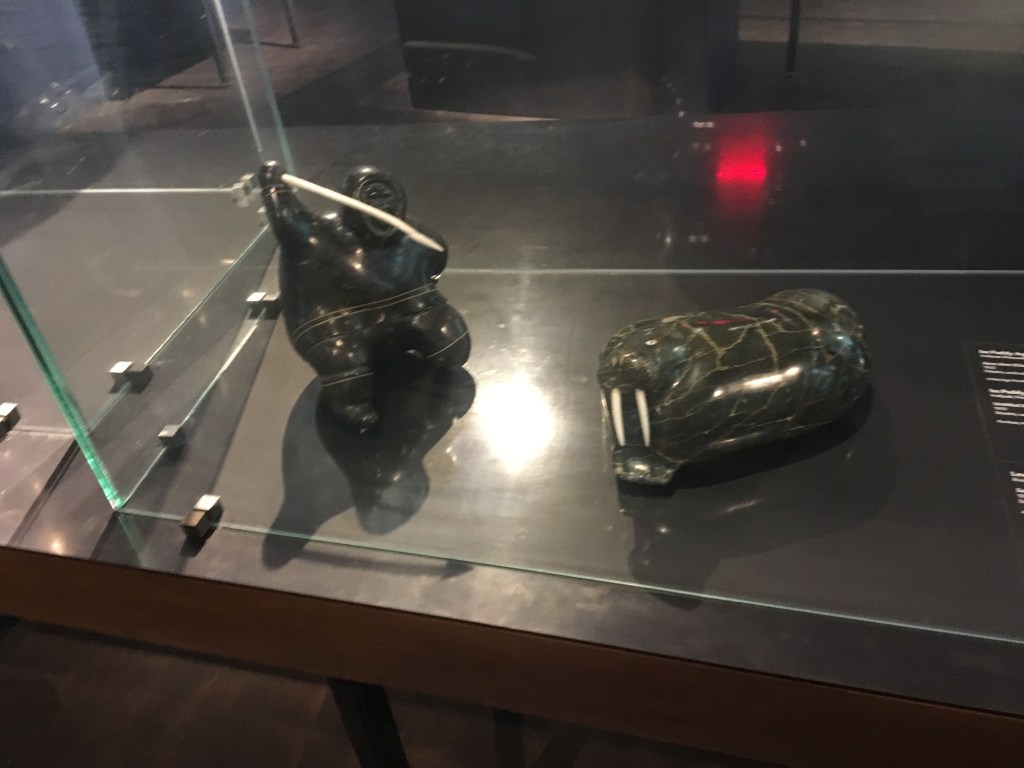
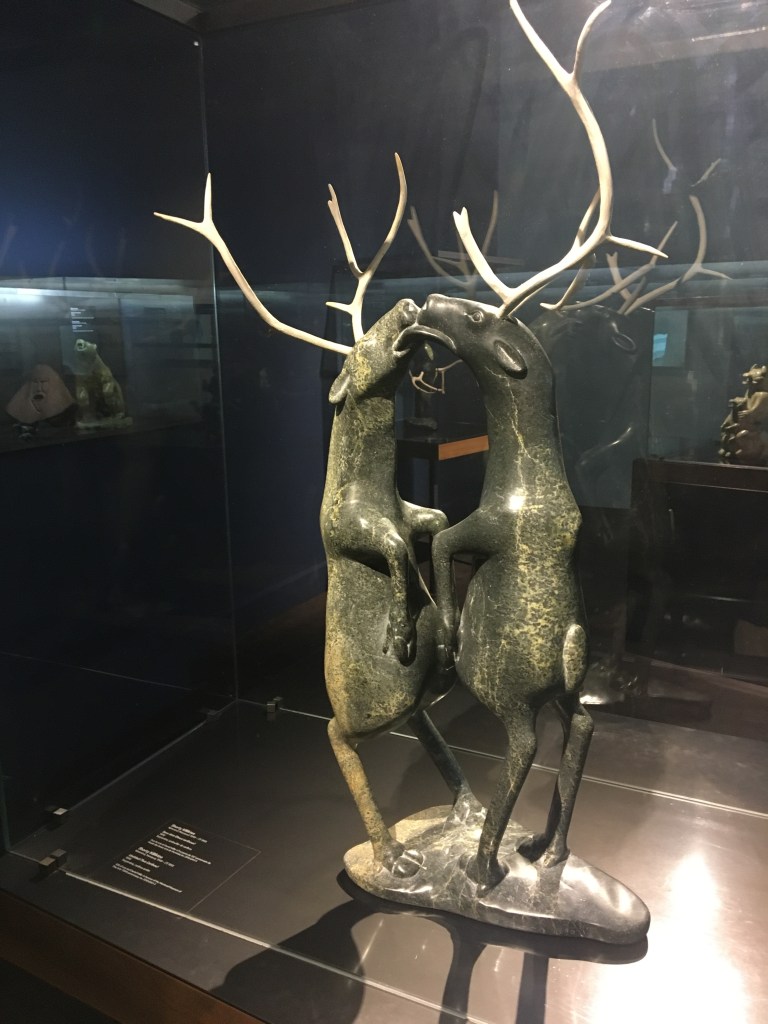
There is also a special exhibit dedicated to the scuplture of Inuit artists. It was very nice to see First Nations representation within the museum and it is a nice gesture to help include their stories into the collective memory.

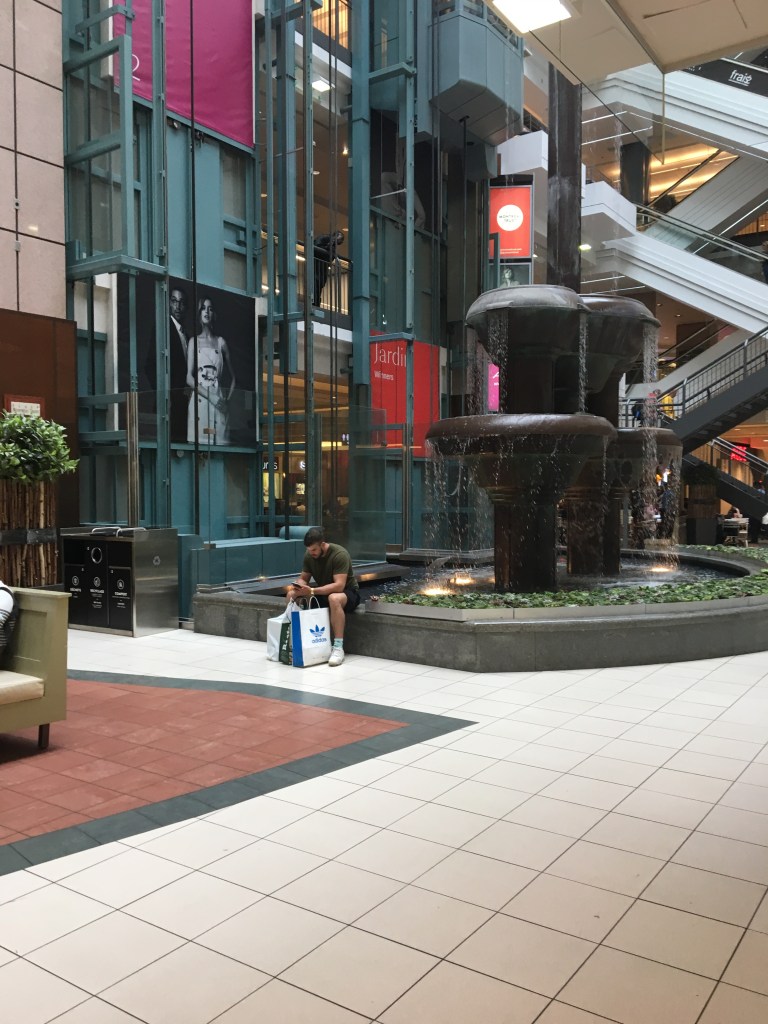
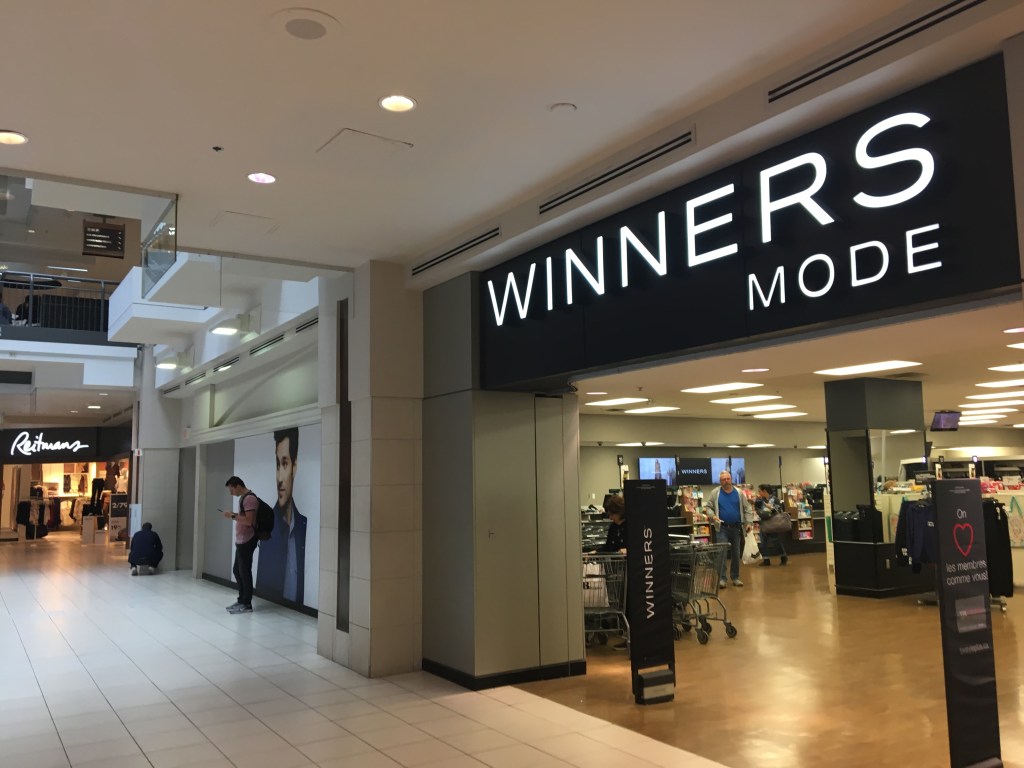
While Ville-Marie is certainly the cultural center of the city, it is also home to a lot of malls. Unlike the US where the mall has seen a long, slow decay into irrelevance, it is very much still a major part of Canadian life. The malls can get very crowded and you’ll always see somebody on the metro with a big shopping bag. The mall is also where essential services like grocery stores, pharamacies and even post offices are located, so you’re inevitably going to end up in one if you are staying in Montreal for a long period. Some of the more popular stores that you can’t find back in the US include Winners (the Canadian spin-off of TJ Maxx, but with a much wider selection), Dollarama and Canadian Tire (not just an auto parts store, but a full fledged department store!). While you’ll likely save some money on the original price of the item thanks to the favorable conversion rate between US and Canadian dollars, the high sales tax (about 15% with Québec provincial and federal combined) offsets any real savings. There’s a reason that Canadian tourists still come to the US for luxury shopping!

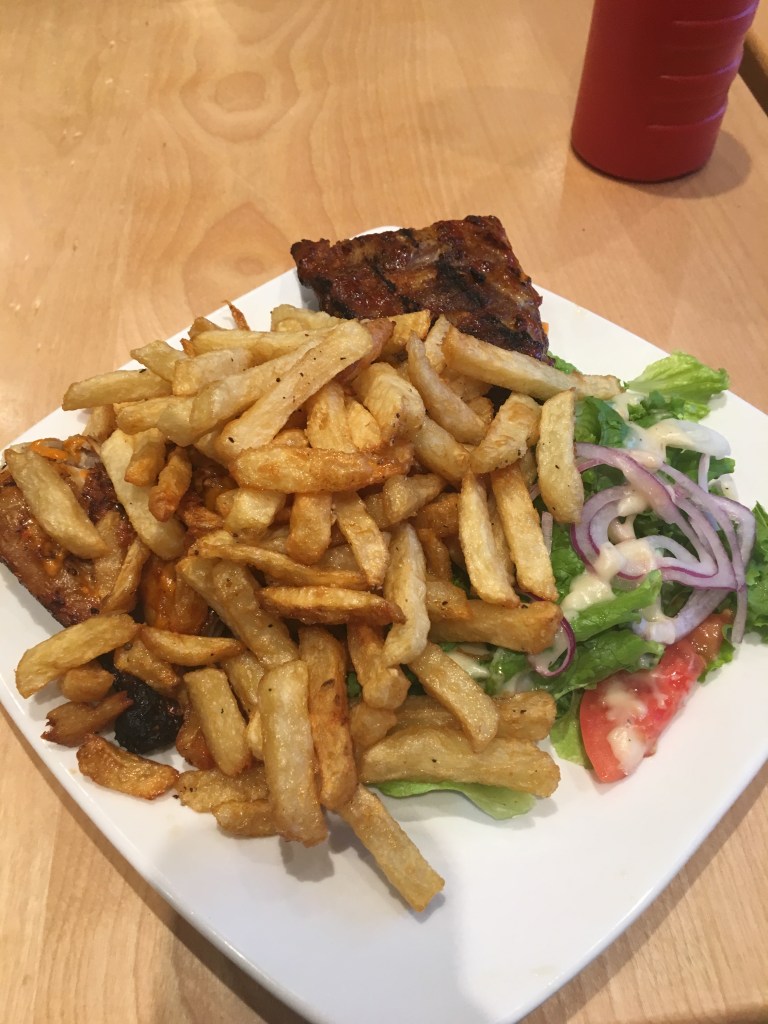
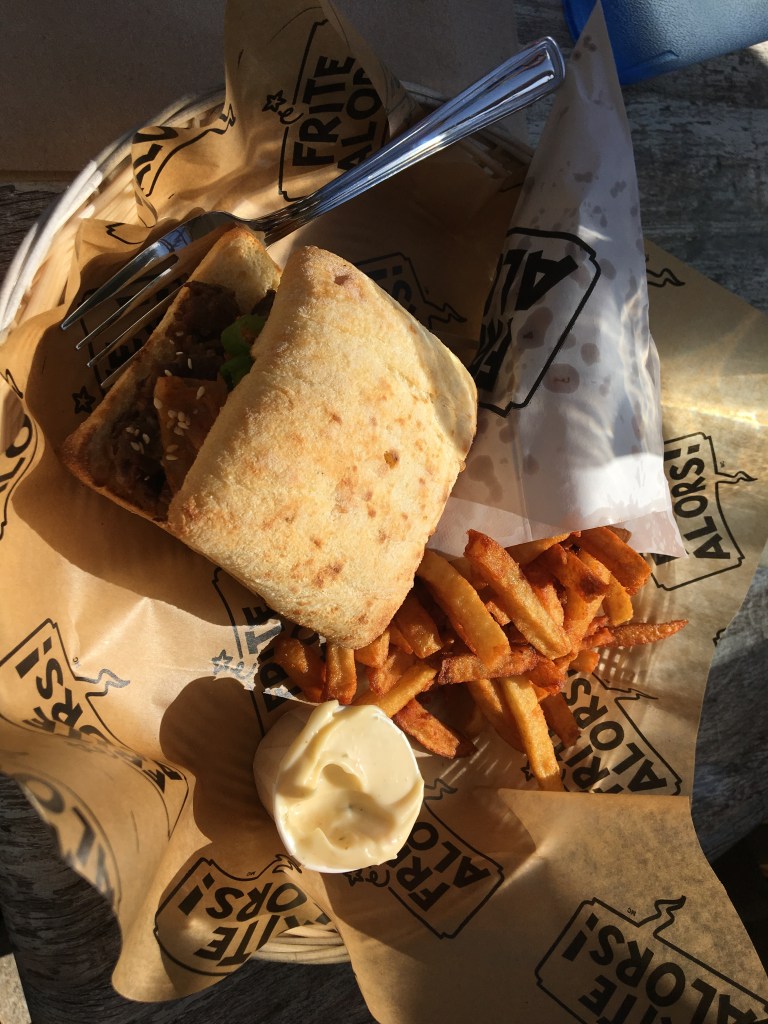
One of the best reasons to come to Montreal, however, is for the restaurants. Montreal is one of the food capitals of North America and cuisines from many different cultures are represented in the gastronomical scene. While I have not been to any high-class five star restaurants (a bit out of my budget!), I’ve had the opportunity to dine at many different places around Côte-des-Neiges and Ville-Marie. Here are just a couple of the foods you can get here:

Portuguese style chicken from Piri Piri
Bulgogi and kimchi sandwich (named la « Ménace nucléaire » after North Korea) from Frite Alors!
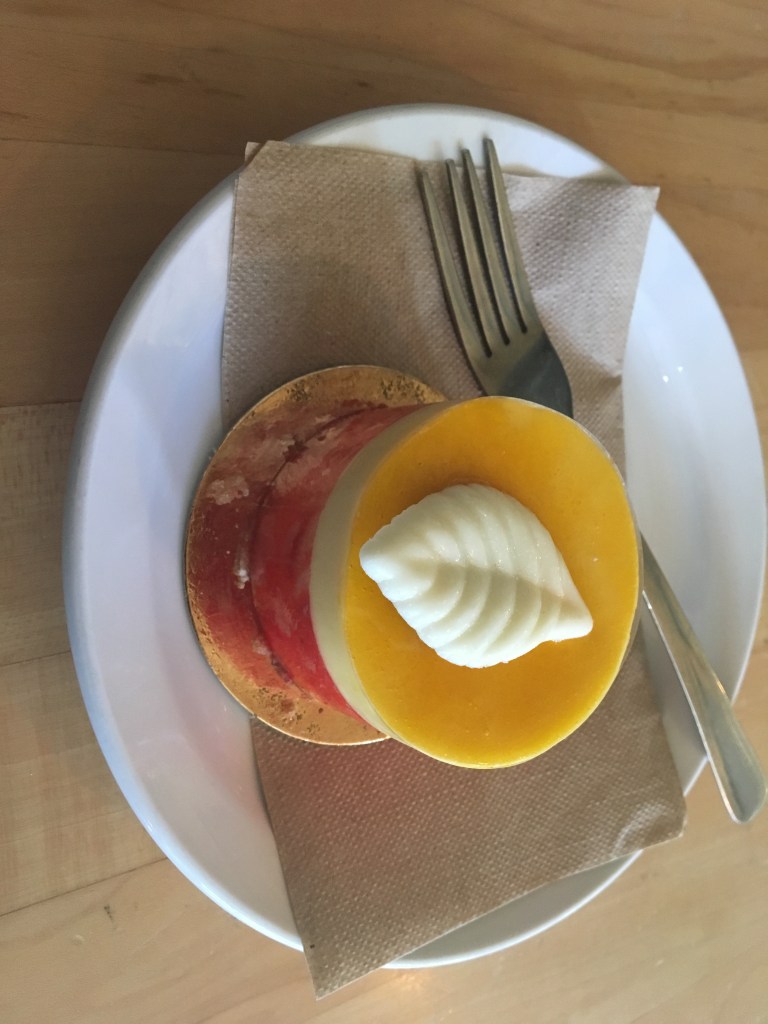
Mango and strawberry cake from Au pain doré
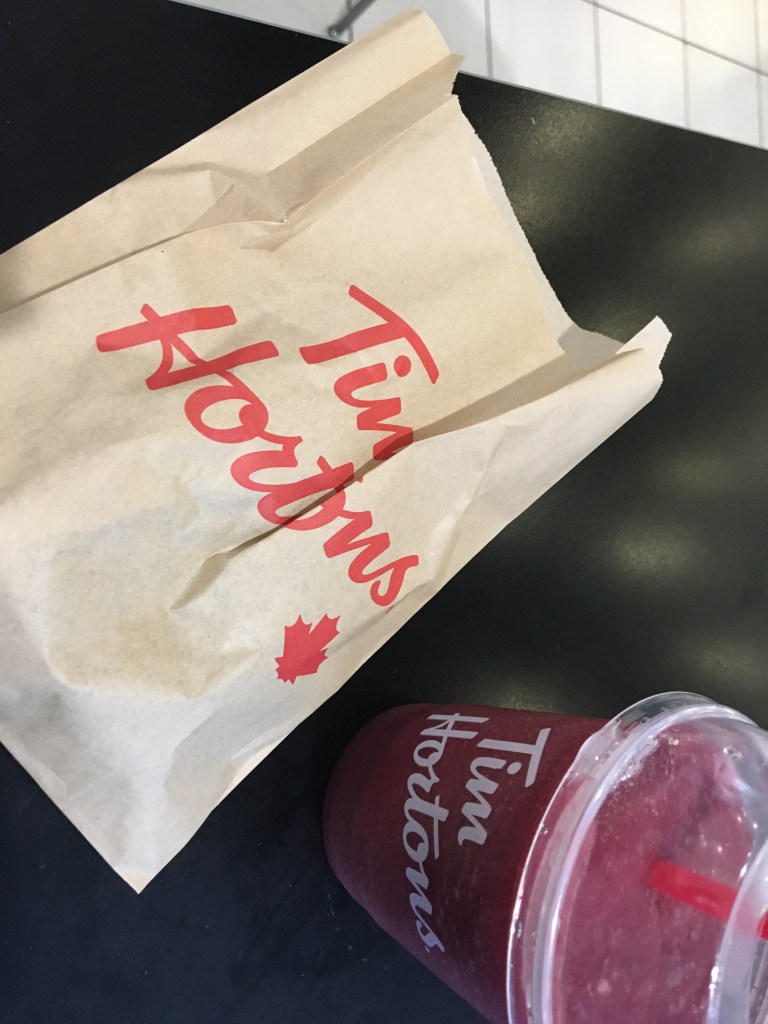
And you can’t go to Canada without a trip to the famous Tim Hortons!

Nouvelles/Updates

Bonsoir, readers. It’s been a little while since the last post, but I’m back with some updates!

School has started up here and I’m already into the new semester. Chinese class has been my favorite so far: lots of active participation and an enthusiastic professor. The other classes… well, I wouldn’t say that they’re bad, but they’re not exactly what I was expecting. Unlike RIC, all class sizes here are large (I don’t have any massive lecture hall courses, but there are close to 30 students in each class). Teaching is also very different here… professors tend not to have notes and a lot of learning is done through reading outside of the classroom. The classes here only meet once per week (with the exception of my intensive Chinese course) for 3 hours. I personally prefer the methods used at RIC, but I’m adapting to it here, albeit quite slowly. The language barrier isn’t terrribly big in the classroom because the professors use the academic language that I’m comfortable with. That being said, at least in my Québécois studies courses, I’m at a disadvantage compared to the other students because they all have a solid base in philosophy and Canadian history. I’m going to stay optimistic though!

Apart from school, I’ve gotten to see more of the city, especially the Côte-des-Neiges neighborhood and some of Downtown. Côte-des-Neiges is a must go for diverse cuisines at good prices: Québécois, French, Portuguese, Chinese, Thai, Vietnamese and Turkish restaurants are all within walking distance of the metro station. I haven’t had the chance to go yet, but there is also an open-air market selling a variety of goods.

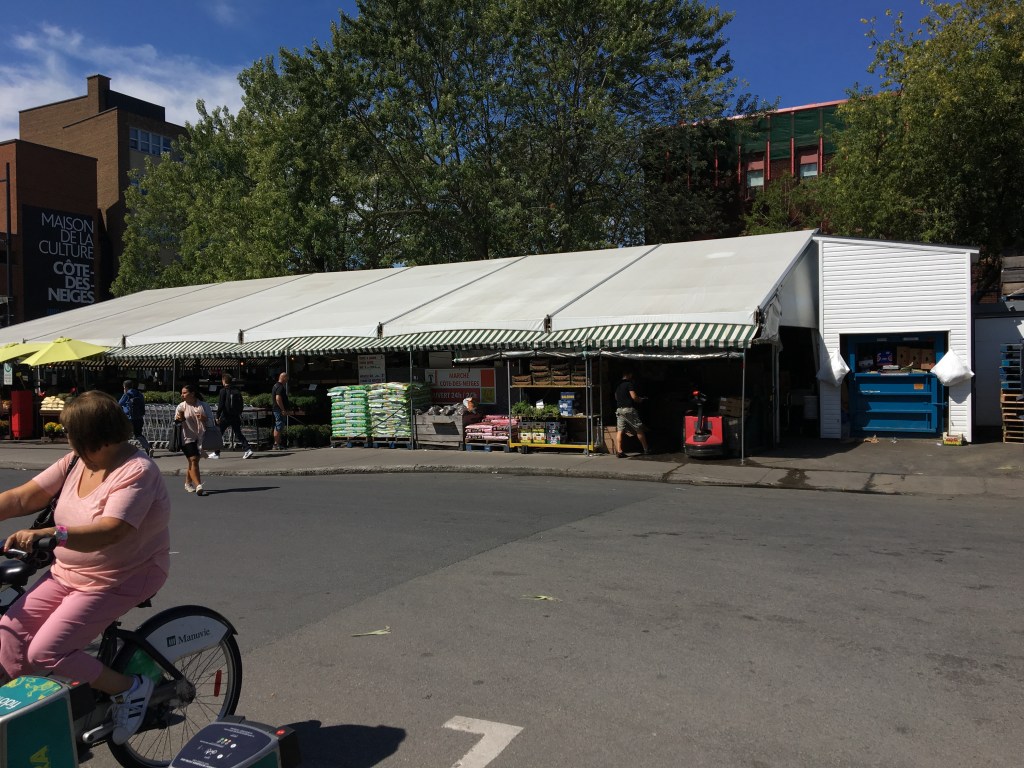
Open-air market on the corner of Rue Jean-Brillant and Chemin de la Côte-des-Neiges
Chemin Queen Mary, near Snowdon Station

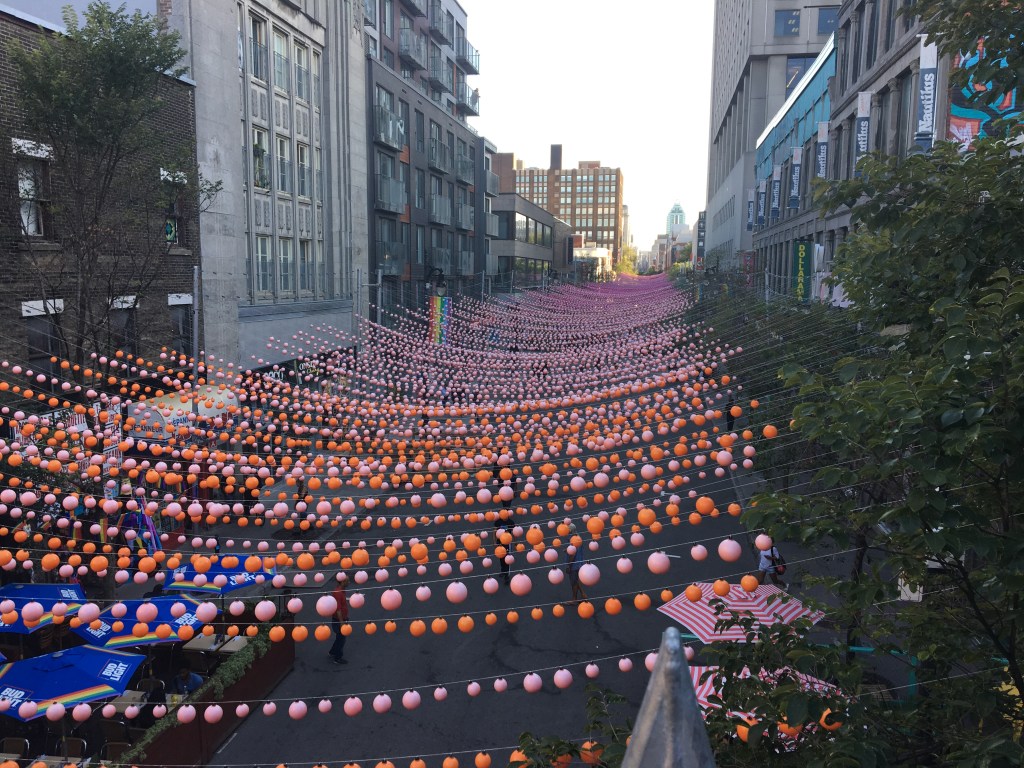
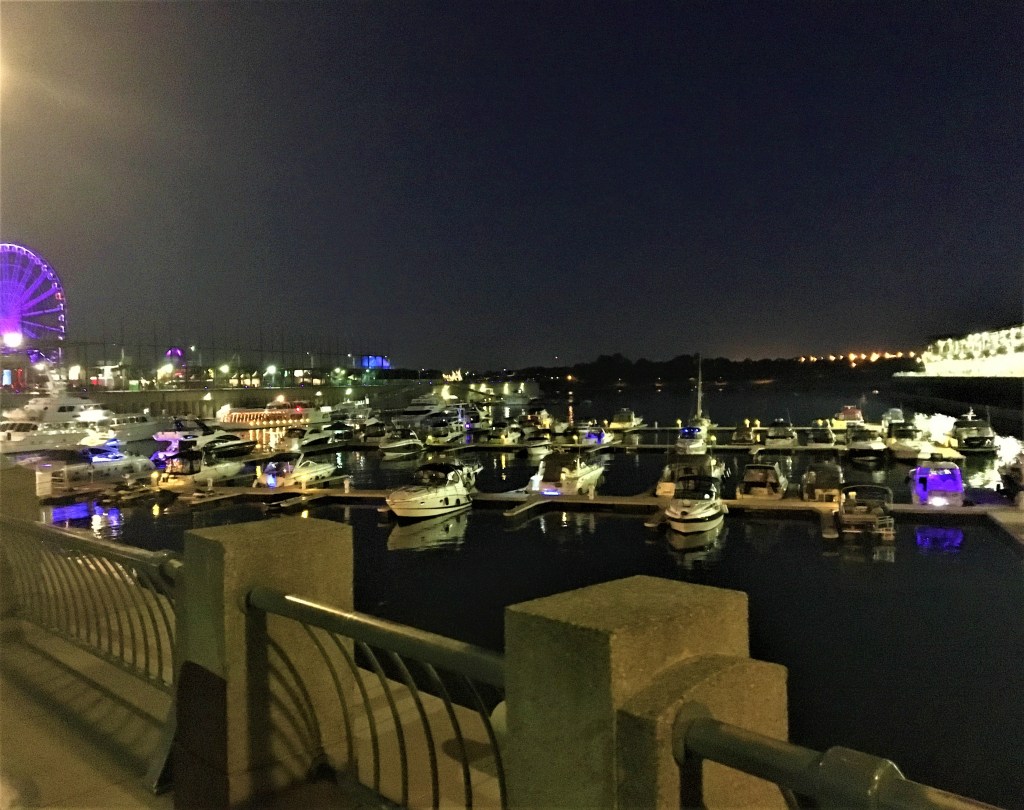
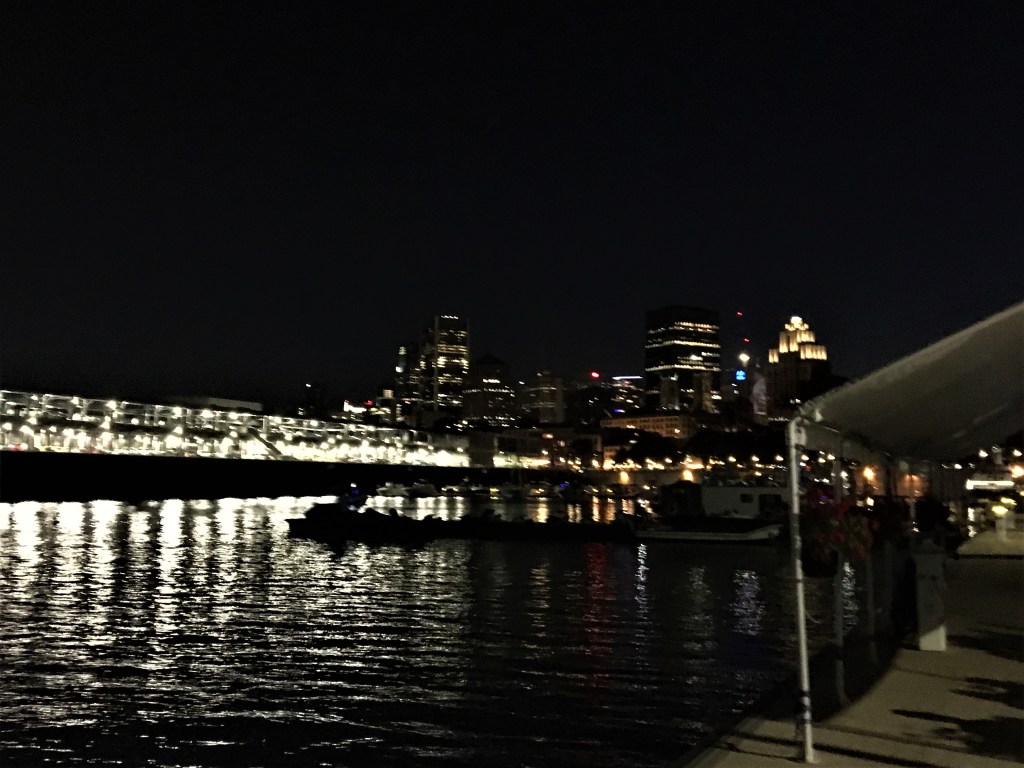
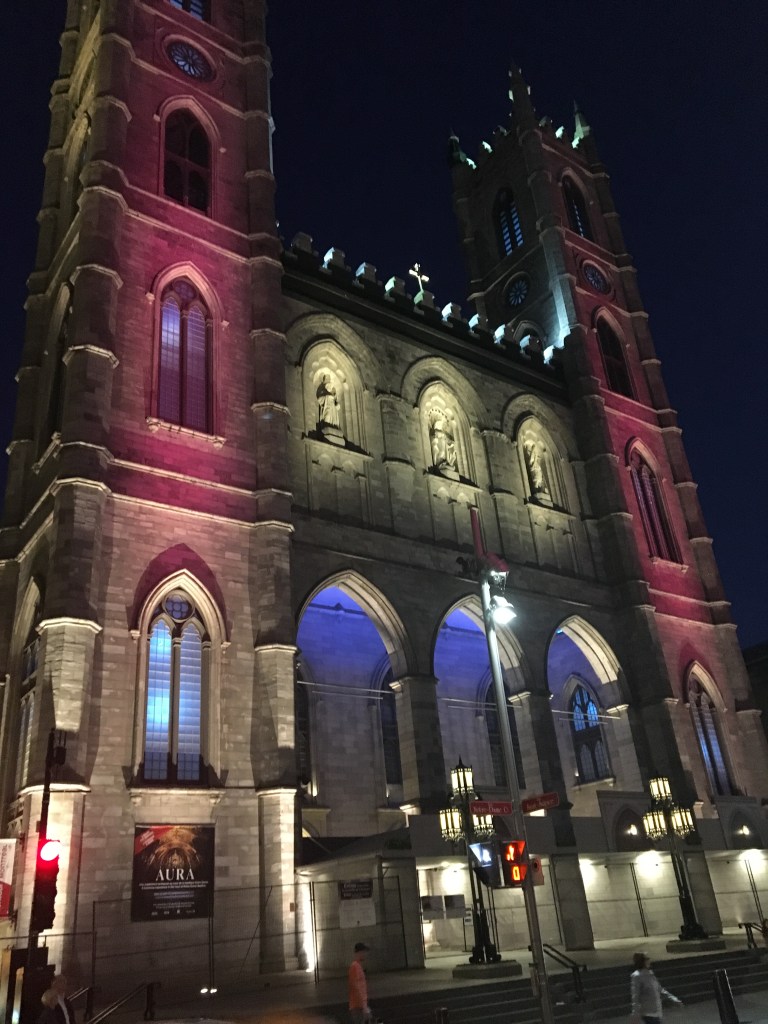
A friend of mine from here took me to the Downtown area two weeks back and I have a few pictures to share from the evening. The port on the Saint Lawrence is especially beautiful at night.

Le Village, Montréal’s gay neighborhood
Port on the Saint Lawrence
Montréal skyline at night
La Basilique Notre-Dame de Montréal… also undergoing rennovations like much of the city

More updates to come soon! À la prochaine !

L’orientation et Côte-des-Neiges /Orientation and Côte-des-Neiges

Bonsoir to all of my readers. Over the past week, the Université de Montréal had its orientation for new students (including exchange students), hence my absence for the last few days. If you’re ever planning to study at UdeM, definitely download the app Rentrée UdeM, it has all of the activities, times and places listed so that you can easily plan out a day. Personally, I don’t like orientations: I hate the crowds and the large groups and the « mandatory fun. » They do it differently here: nothing is technically requrired so you can choose to go only to what you need to. I’ll admit that I found the session for exchange students to be dreadfully boring (they spent over an hour talking about visas, registering for courses and other things that I had already taken care of months ago). I did find the tour of the main library (humanities), a tour of the whole campus, an overview of resources for non-native French speakers, and the tour of CEPSUM (the athletic facilities) to be very helpful.

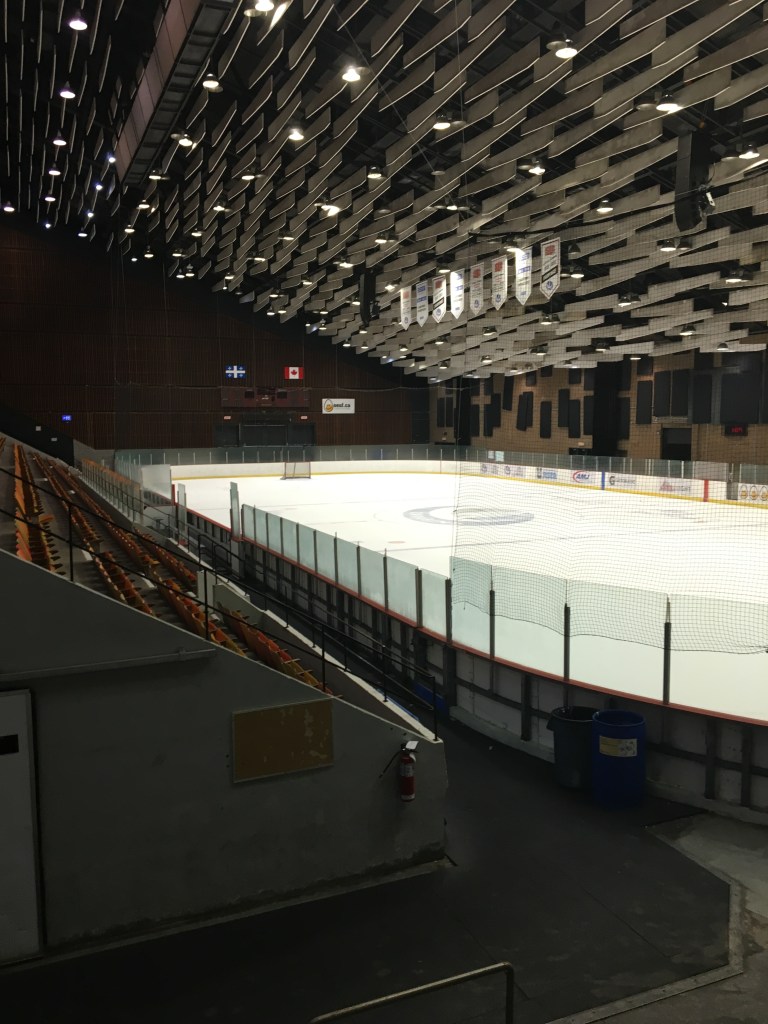
The hockey arena at CEPSUM; the season won’t actually start until after I’ve left, but it was neat to see it

A couple of tips I picked up:

  • If you want to use the fitness center (cardio and weights) at CEPSUM, you will have to pay an extra fee. It’s not terribly expensive for the semester, but it is (yet another) hidden expense.
  • Some of the buildings have cafeterias. The food is decent quality (much better than RIC, for sure), but rather expensive. You’ll save money packing your own lunch.
  • A lot of the resources they suggested for extra support in French also cost extra money. One free resource for more advanced speakers is conducted through the French language office where there are free resources online and you can email them with questions to help with reading or writing.
  • The campus is really big and spread-out, with a lot of buildings up-hill and with lots of stairs. This is of course in addition to the endless construction going on which is blocking off some of the roads. It’s honestly easier to just take the bus to the more far-away buildings and save your energy. Some of the buildings are large enough to get lost in, don’t be shy asking for help.
  • It’s in your best interest to open a bank account in Canada. Many places are either cash only or if they accept debit cards, only cards from Canadian banks will work. Both the school (for tuition) and the residences will only accept Canadian debit cards for payment. I recommend opening an account at Banque Nationale. I went to the branch on 5070 Avenue du parc. I highly recommend them as the staff was very helpful and spoke English with us so I could understand some of the more complicated details. Ask for an appointment with Amina if you can, she was very good and very patient, especially because she was an immigrant to Canada as well. You will either need to wire money or use cash to add funds to your account. Just make sure to close your account before you leave!

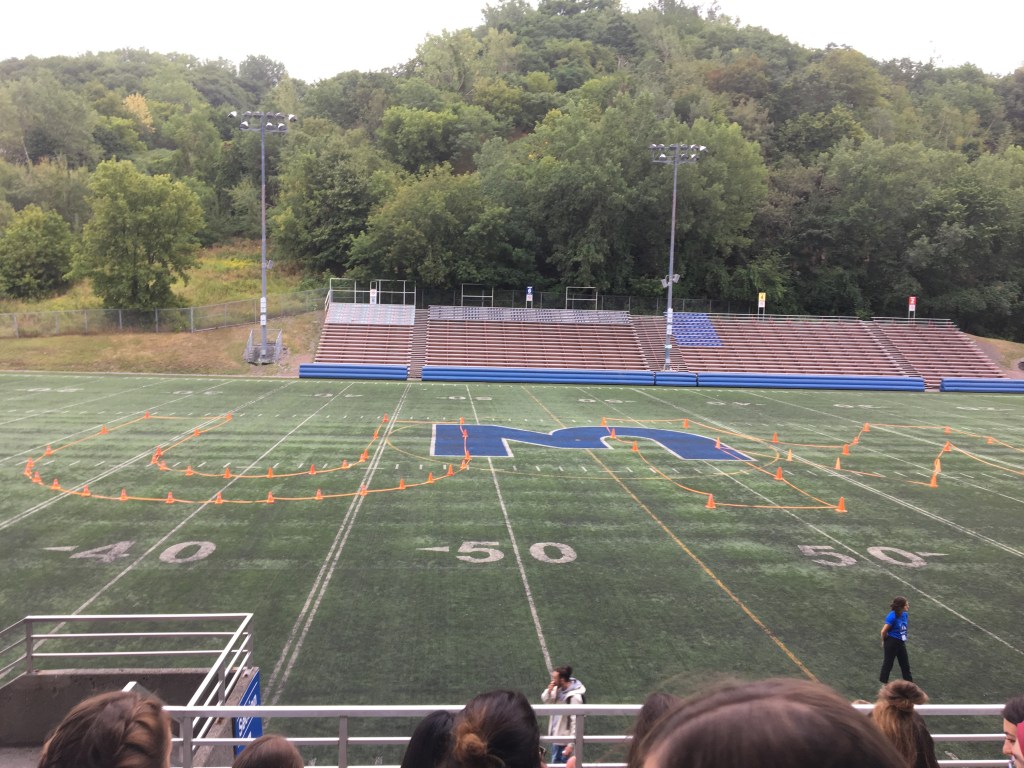
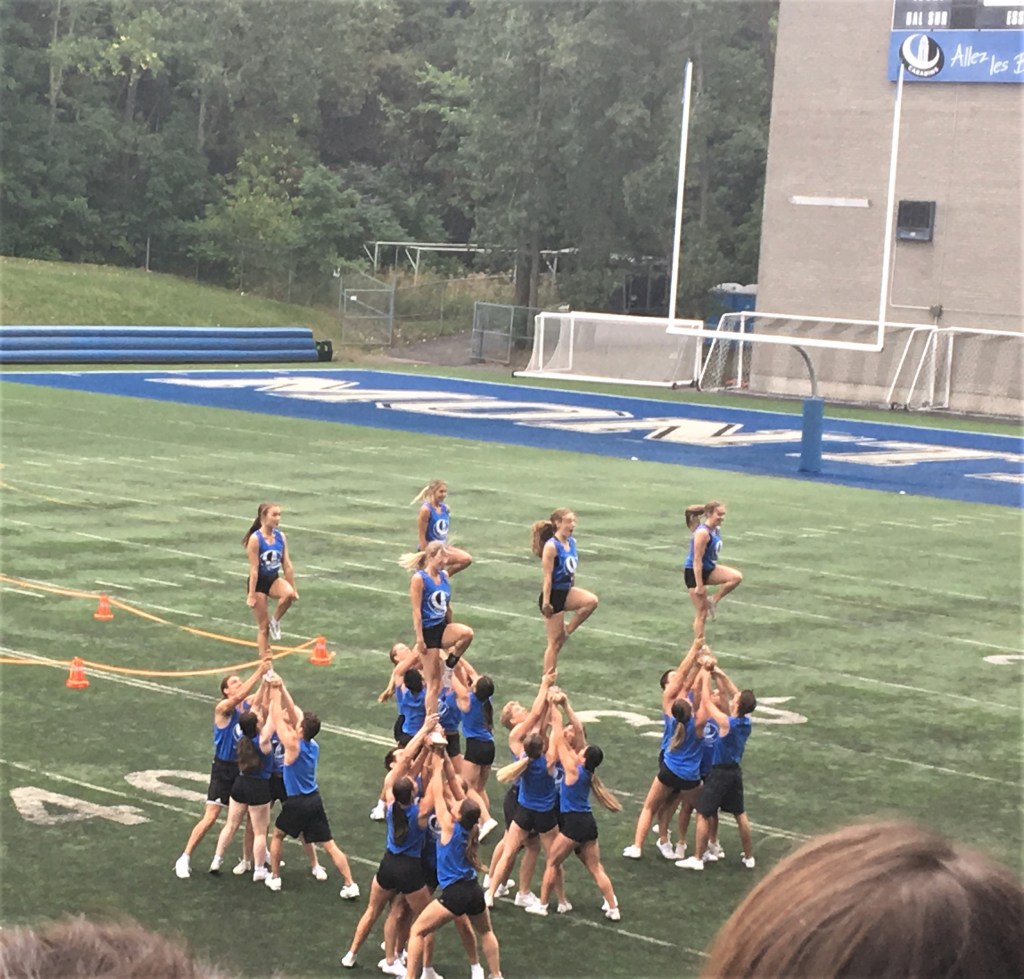
During the orientation, there were also some more social events: a breakfast for new students, a convocation of sorts (also with free breakfast) and an outdoor party on campus. There was an event at a nightclub on Friday, but I chose not to go to that. The breakfast was fun and I met two students from Taiwan who are here to study English. The outdoor party was also fun, albeit a bit crowded and with terrible music that you couldn’t actually dance to (although my « freshman mentor » indeed made me try and dance… was that indeed a pitiful site!). One major difference between here and the States is that alcohol is sold at school events. It is much more acceptable in the culture here, so much so that it is allowed in the dormitories and (provided it’s not opened) on public transit. The convocation kind of dragged on and I didn’t win any prizes, but it was kind of a shock for me to see that the school has cheerleaders and plays American football. On Friday, I even saw « tail-gate » parties outside the stadium! It was almost as if I had never left the US! I’m fairly certain that this is the only Francophone country where you’ll see anything quite like it!
The football field; the UdeM team is the carabins, a word which is a bit confusing to me (it originally meant rifleman and then came to denote medical students)
« Les cheerleaders »

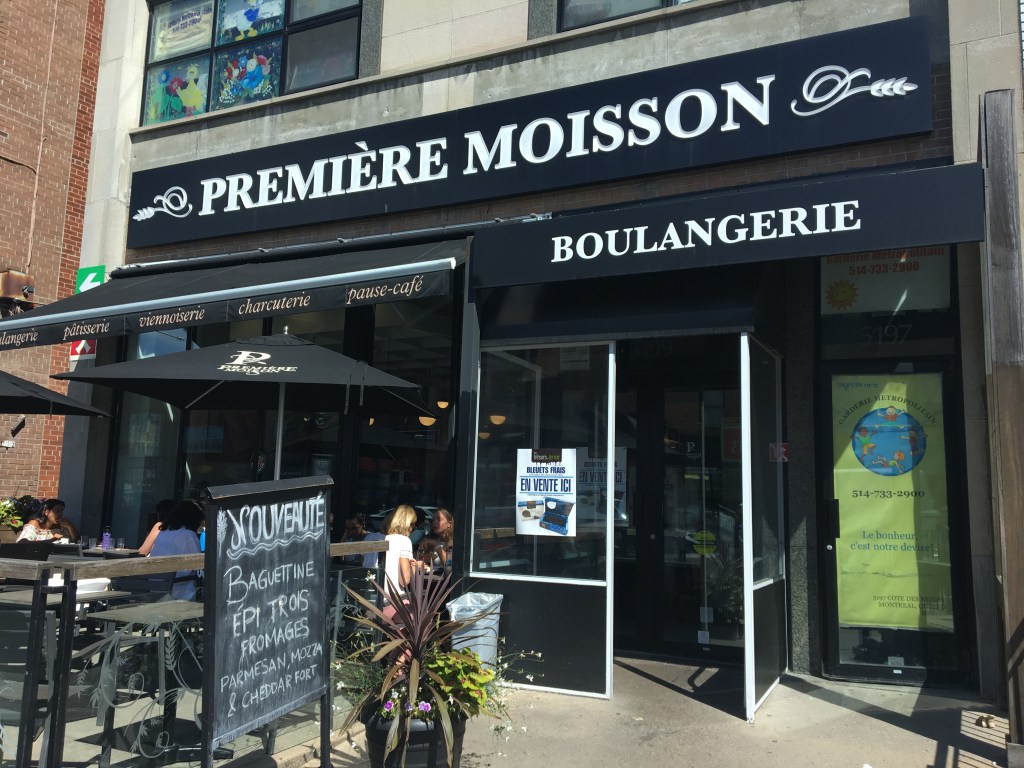
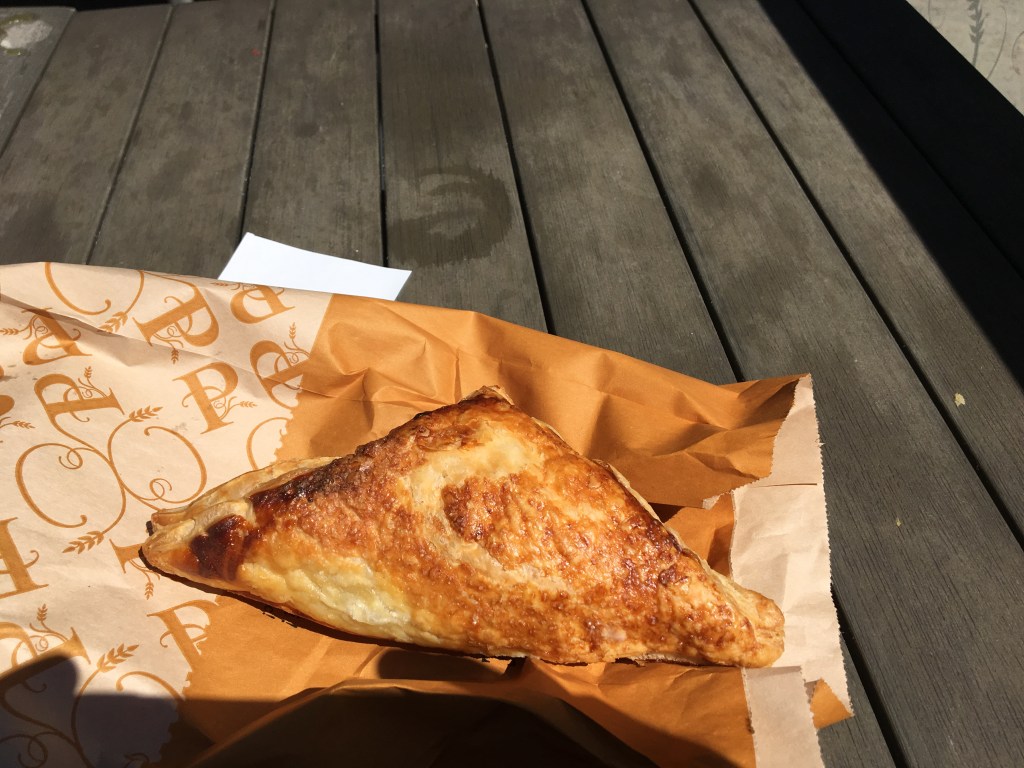
Apart from all the activities, I had some time to explore a little bit of the Côte-des-Neiges neighboorhood. This is the neighboorhood just south-west of the school. It’s diverse, historic, and where many new immigrants call « home ». There are many shops and restaurants in the area and it is easily accessible by public transit. I didn’t get to see too much of the neighboorhood, but I highly recommend the bakery Première moisson (5199 rue Côte-des-Neiges). It’s crowded but the prices are good and the food is high quality.

Better than any turnover back home

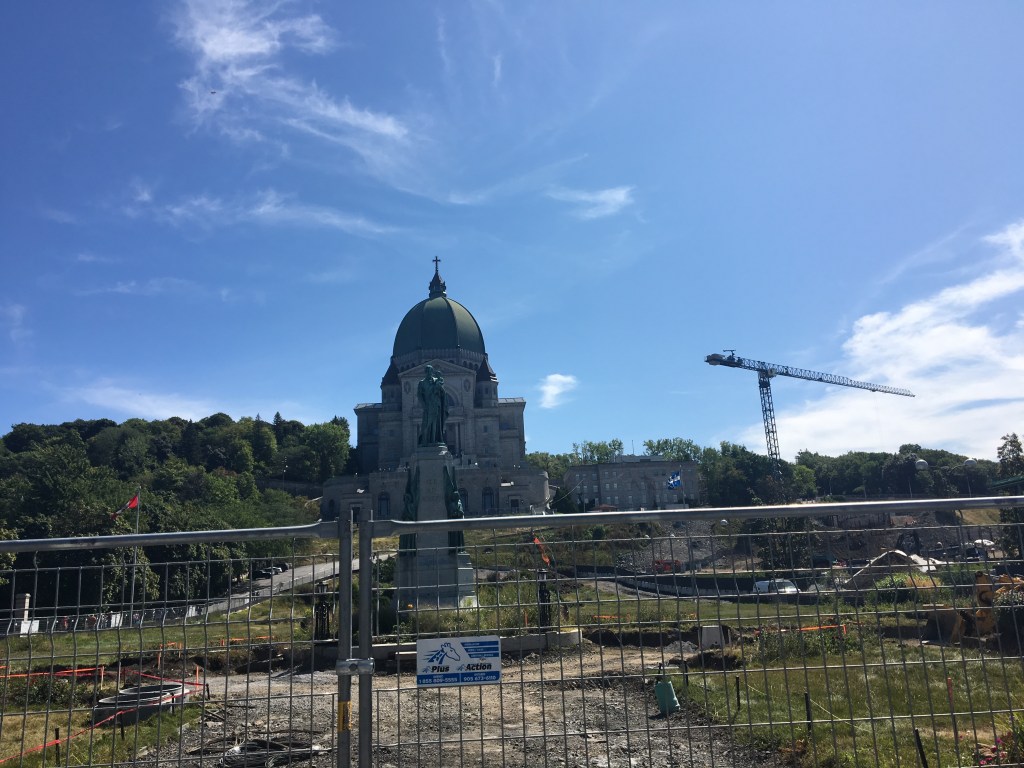
One of the most prominent landmarks and historic sites of Montreal is in this neighboorhood, L’oratoire de Saint-Joseph. This is a massive stone and marble church on the side of a mountain designed in the style of Paris’ Sacré Cœur. It is currently undergoing rennovations, notably in the garden in the front, but it is still accessible to the public on foot and the view of the city is quite lovely.

The exterior and rennovations in the garden.
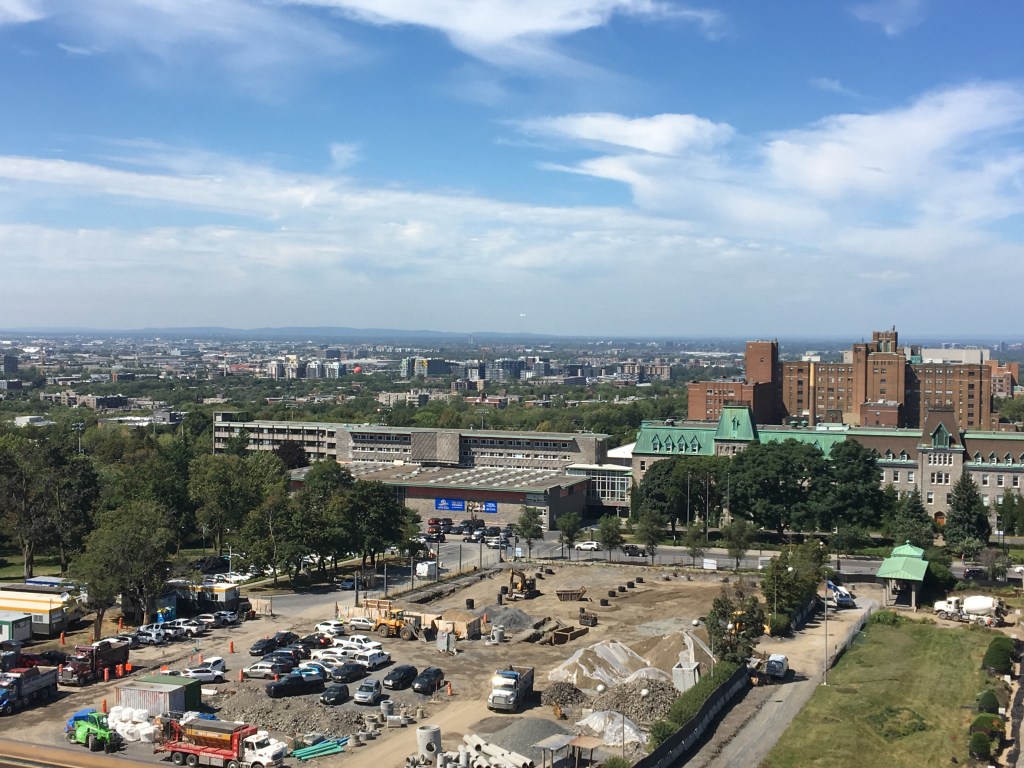
The older looking building across the street is a school.
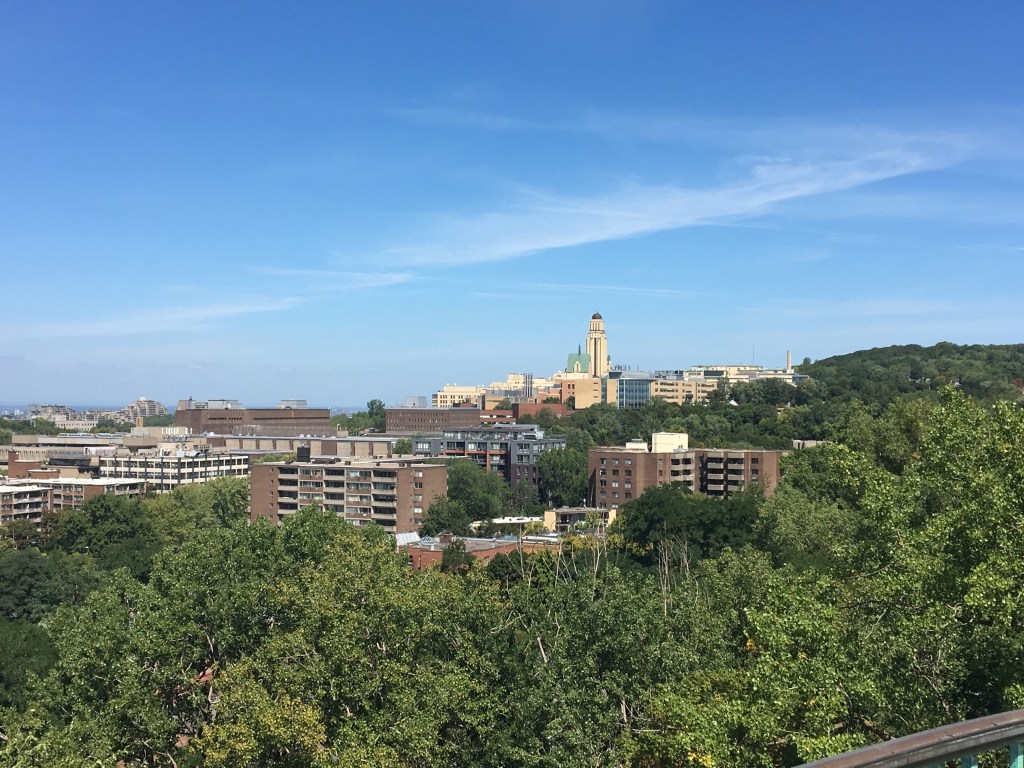
The tall tower in the background is part of the university and is a building you can most certainly get lost in.

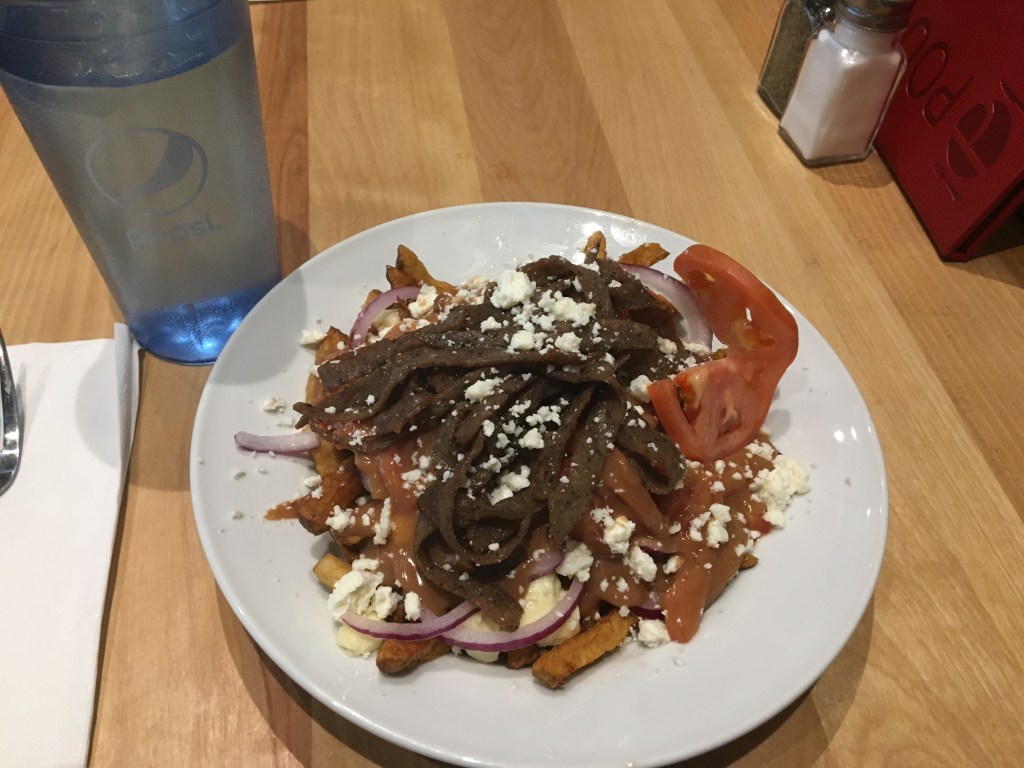
And, of course, no trip to Canada would be complete without that (in)famous specialty, poutine (French fries covered in gravy and cheese curds). Poutineville is a chain restaurant specializing in the dish and they have a location at 5405 chemin Queen Mary (about two blocks from the Snowdon métro station). While you can get the traditional here or even make your own, but they also have some more creative and sophisticated combinations among their specialities. I decided to try Le Zeus which puts a Greek twist on the classic dish by adding gyro, onions, tomato and feta. I’m not normally a fan of anything with cheese in it, but this was very good and rich! The gravy was a little too salty for my taste, but other than that is was excellent.

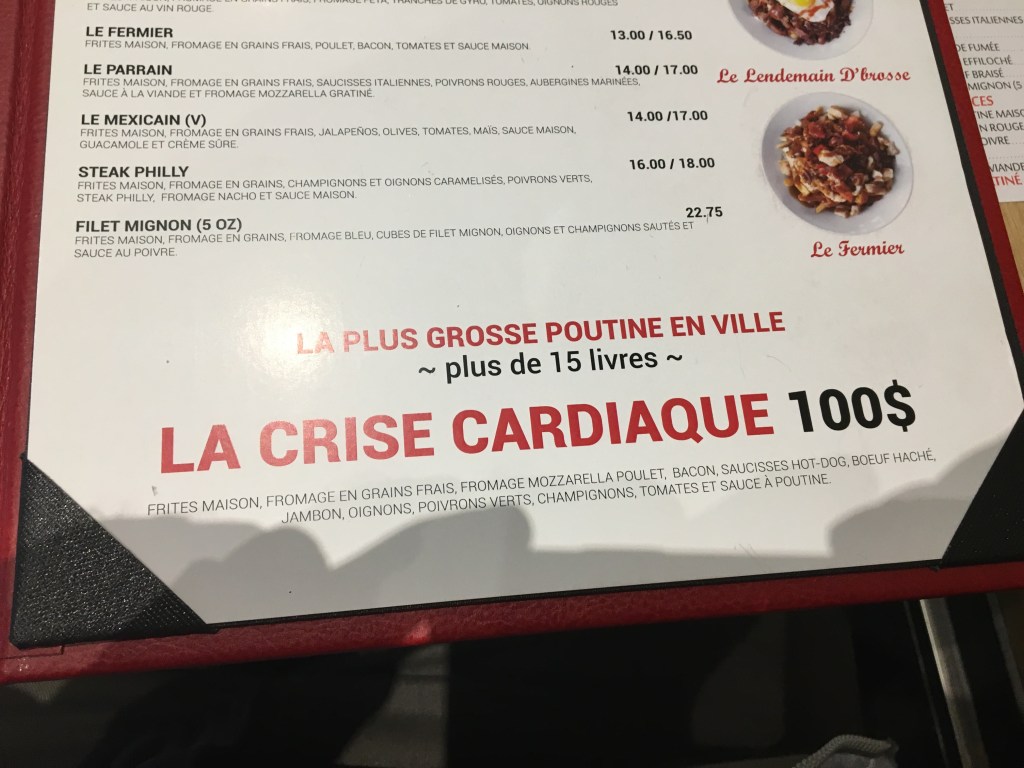
You’ll probably want to order the small… I was full just from that! If you’re feeling really adventurous, they do have this curiosity on the menu:

The Heart Attack Poutine: over 15 pounds and 100$ CAD

That’s all for this post. Next time I will share a couple pictures from Downtown and the Port where a Québécois friend gave me a really nice tour. À la prochaine!

Le transport et la Petite-Italie/Transit and Little Italy

Yesterday I was able to spend a little time exploring the city and using their public transit. Montréal has a large system of busses, subways and commuter rails known as la Société de transport de Montréal (STM). Tip: full-time students can get a reduced fare transit card. Just bring your passport or other (non-school) id with you to 1717 Rue Berri, Montréal, QC H2L 4E9 (this is a bus terminal for intercity lines near Berri-UQAM station). If you are older than 18, however, only monthly passes are discounted. Public transit is the best way to get around Montréal and locals and visitors alike use it.

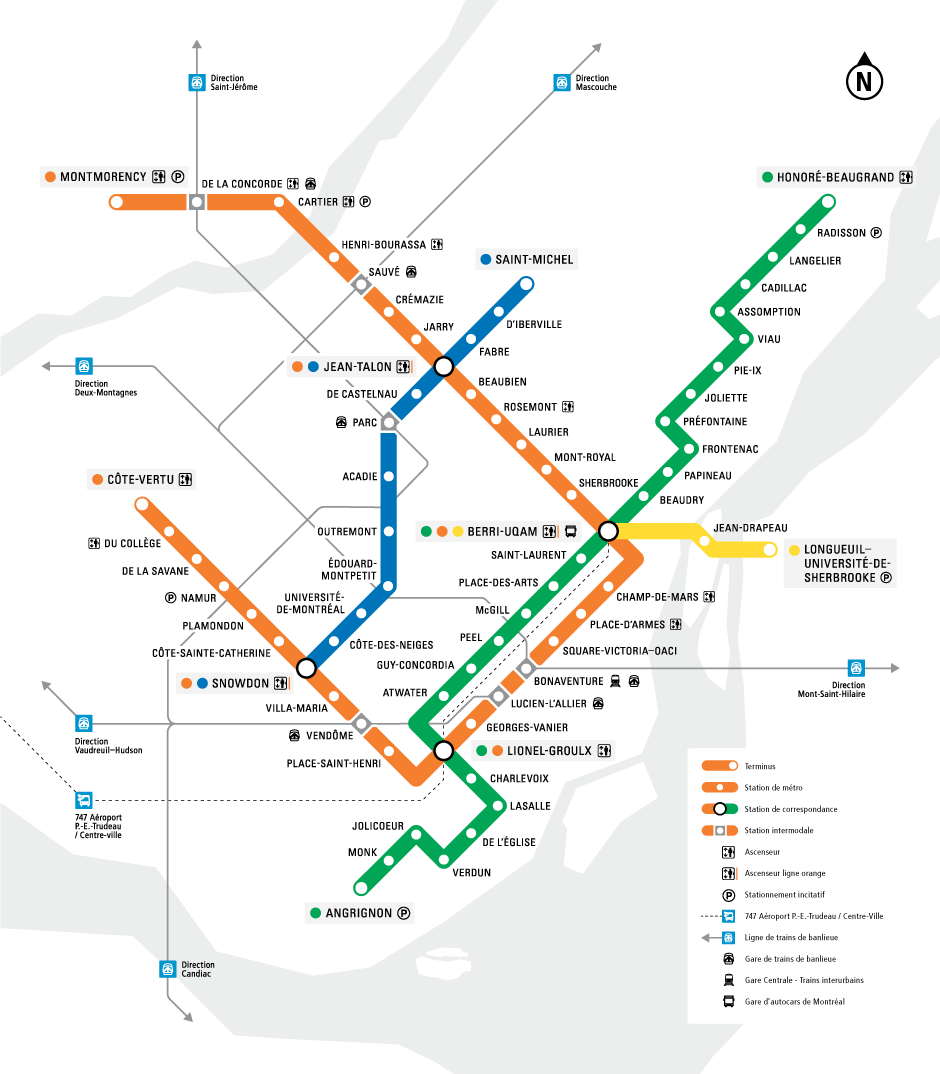
The métro is the easiest and fastest method to get around the city. There are four lines. UdeM has access via the Blue Line at Édourad-Montpetit and Université-de-Montréal stations.

Map of the métro; from stm.info

The trains are fast and transfers are very easy with little wait time (about 10 mins at most during the day). Nonetheless, it could still take close to an hour if your destination is far from your original station or you have multiple transfers. One thing to note is that (unfortunately), only select stations on the orange and green lines are accessible to those with disabilities (look for ascenseur on the map).

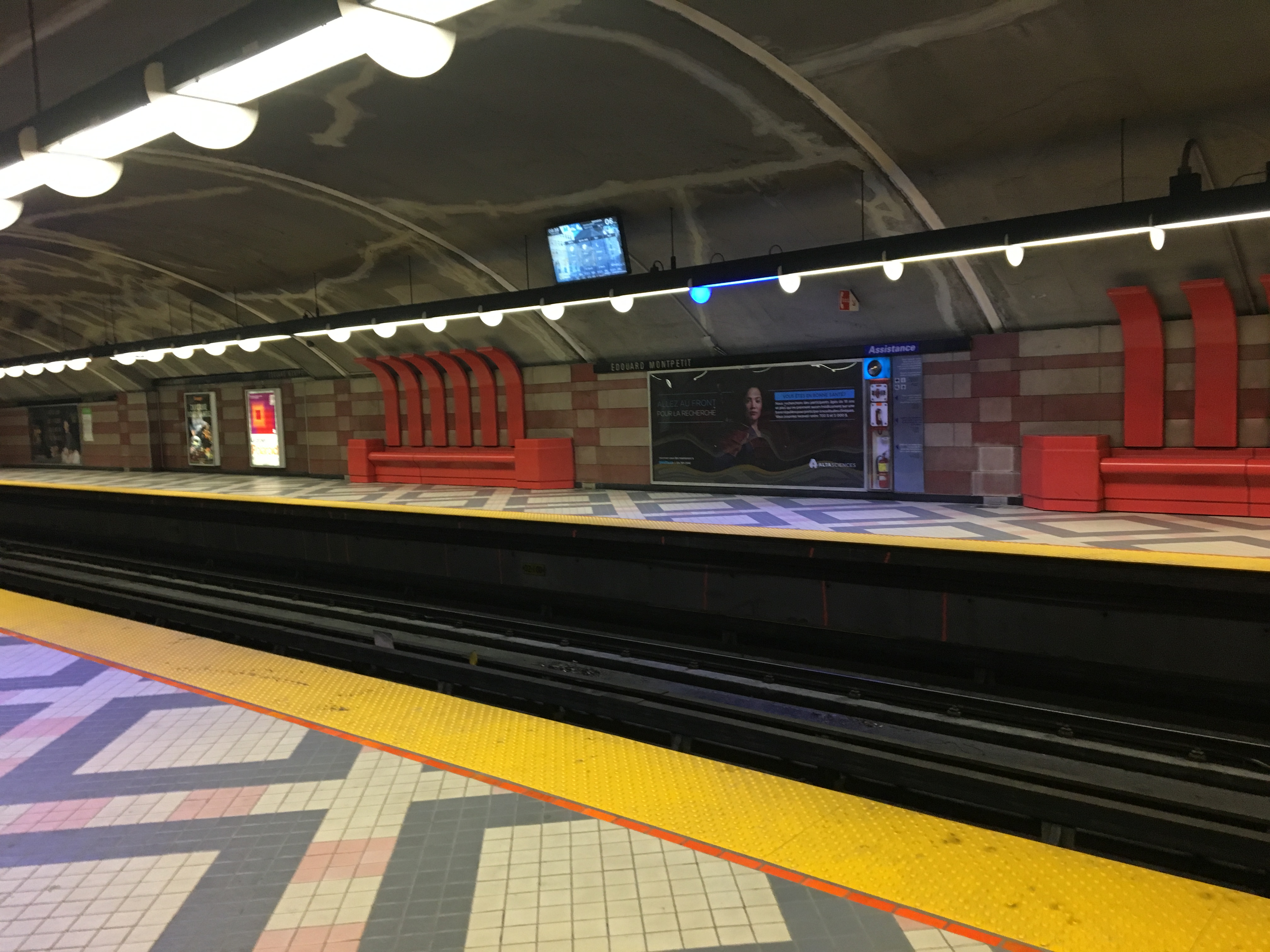
Édouard-Montpetit Station

The bus system is a bit more complex. Most busses run fairly quickly and throughout the day. I recommend downloading the Transit app to get reliable schedules and real-time locations of the bus (the STM website is not particularly easy to use). One caveat is that there is no central terminus for busses (like Kennedy Plaza for RIPTA) so most transfers must be done in the middle of lines. The Transit app or Google Maps can give you reliable directions and let you know where to get off and back onto a different bus. The busses are less convenient than the metro and can get very crowded. A lot of times it will be standing-room only, so be mindful of any stuff you bring onto the bus (the set-ups are not like American busses, there are rows of seats along the sides of the bus and large reserved sections for the elderly, families with small children, and people with disabilities).

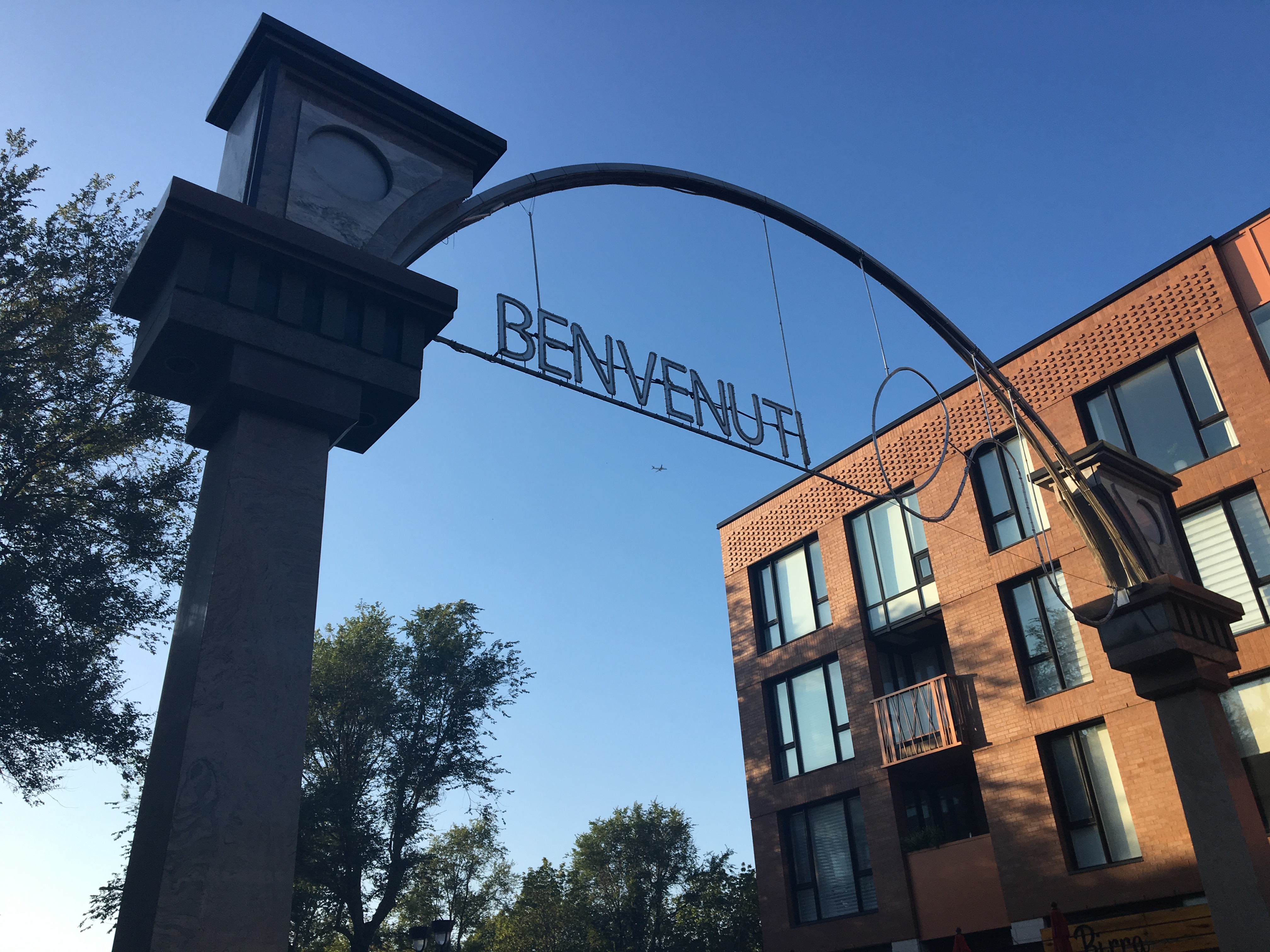
One of the neighboorhoods that I was able to visit yesterday was La Petite Italie (Little Italy), close to the university and downtown.

The entrance on Boul St Laurent

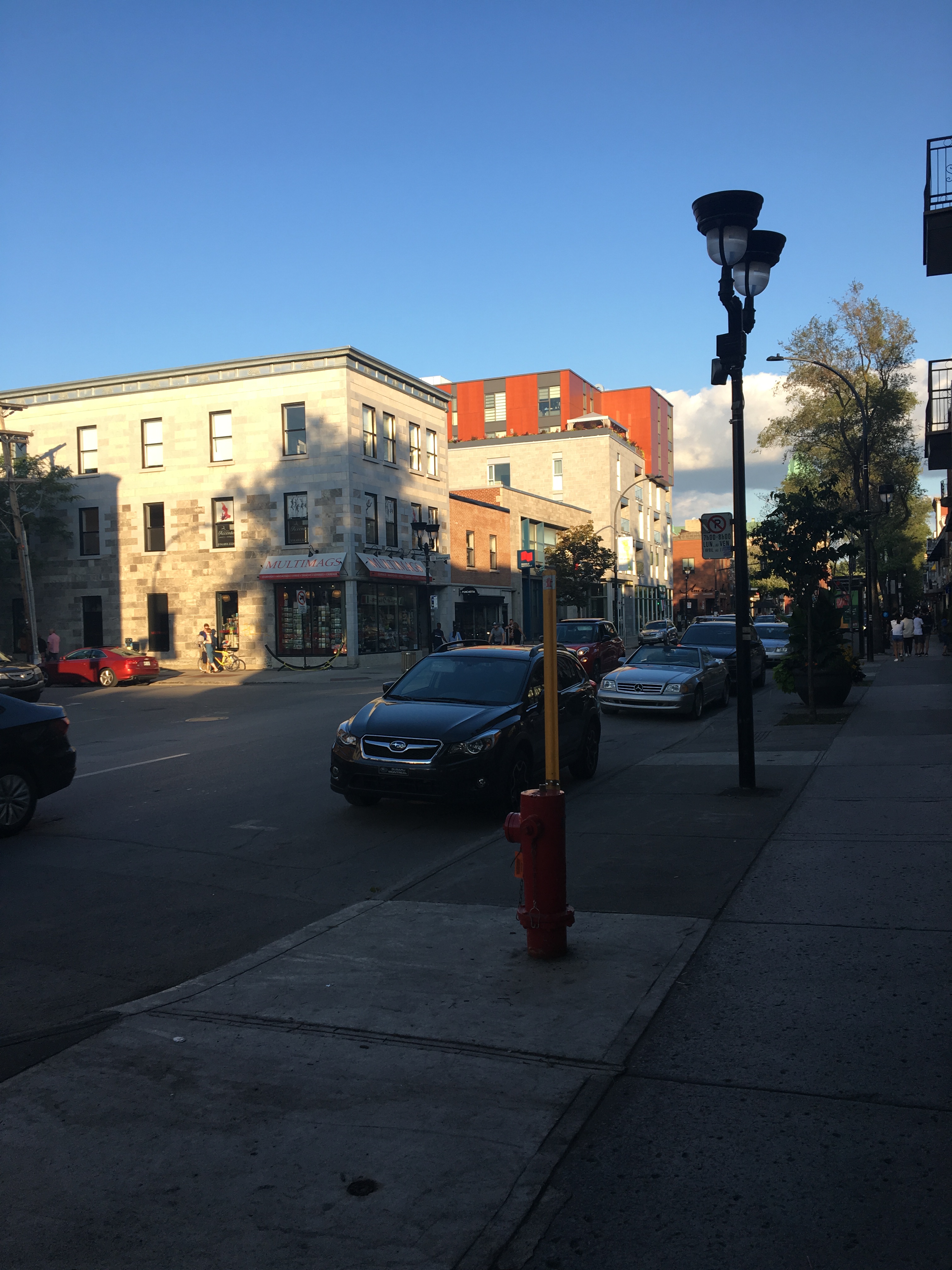
This neighboorhood, right off of the de Castelnau metro station, is a charming little area with many small shops and restaurants. The atmosphere is a lot like Federal Hill in Providence. There are several Italian and Hispanic grocery stores and high-end ristoranti with sidewalk terraces. Dressing-up is a must if you’re planning to eat out in this neighboorhood. Bodegas (dépanneurs in Québec French) are on every street corner and sell a variety of everyday goods.

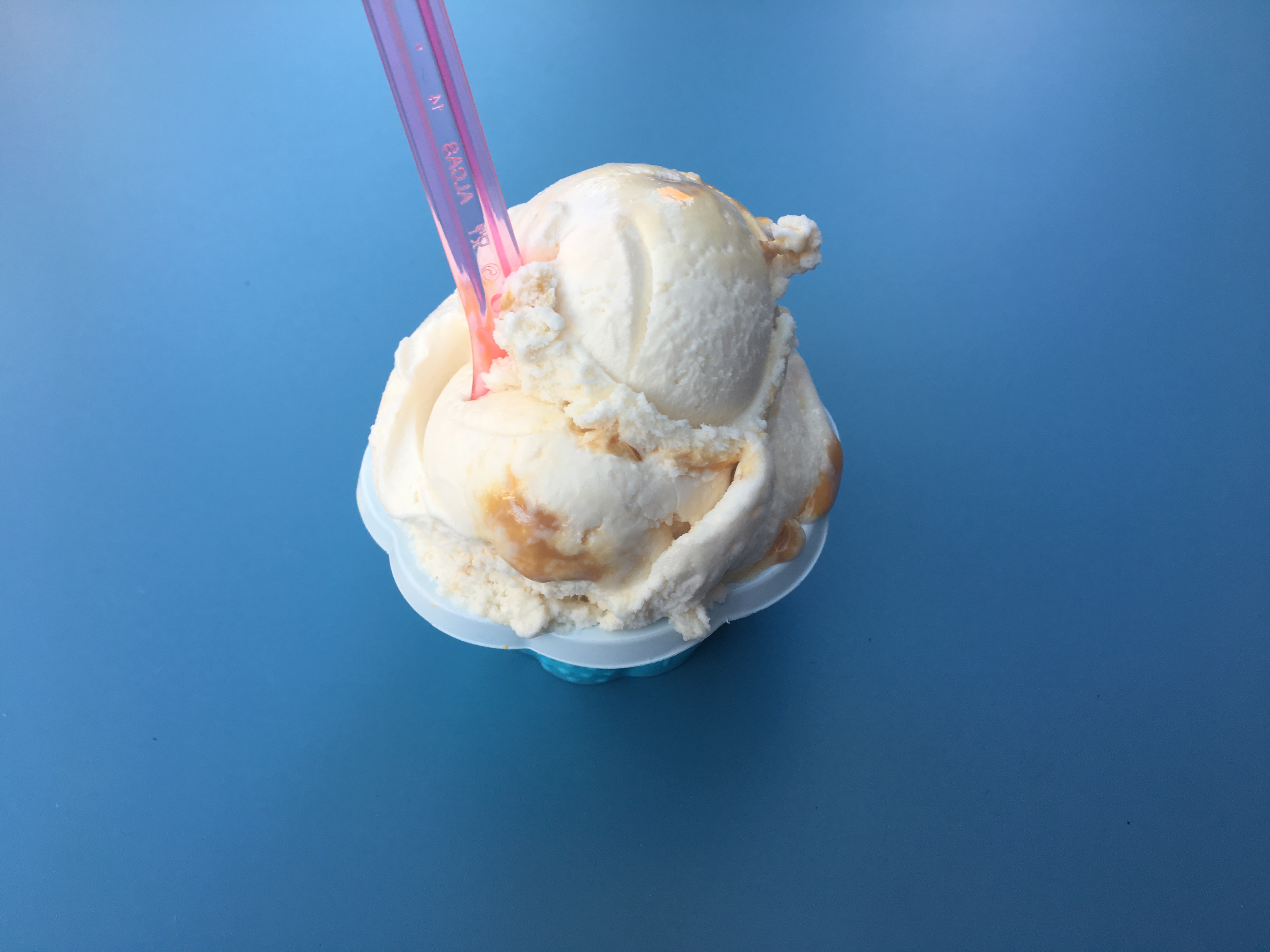
I stopped into Pile Ou Glace Gelateria on Boul St Laurent for a summertime treat.

I definately recommend this shop: friendly staff, good prices (about $3 USD for a small cup), even better food and outdoor seating.

Dulce de leche gelato

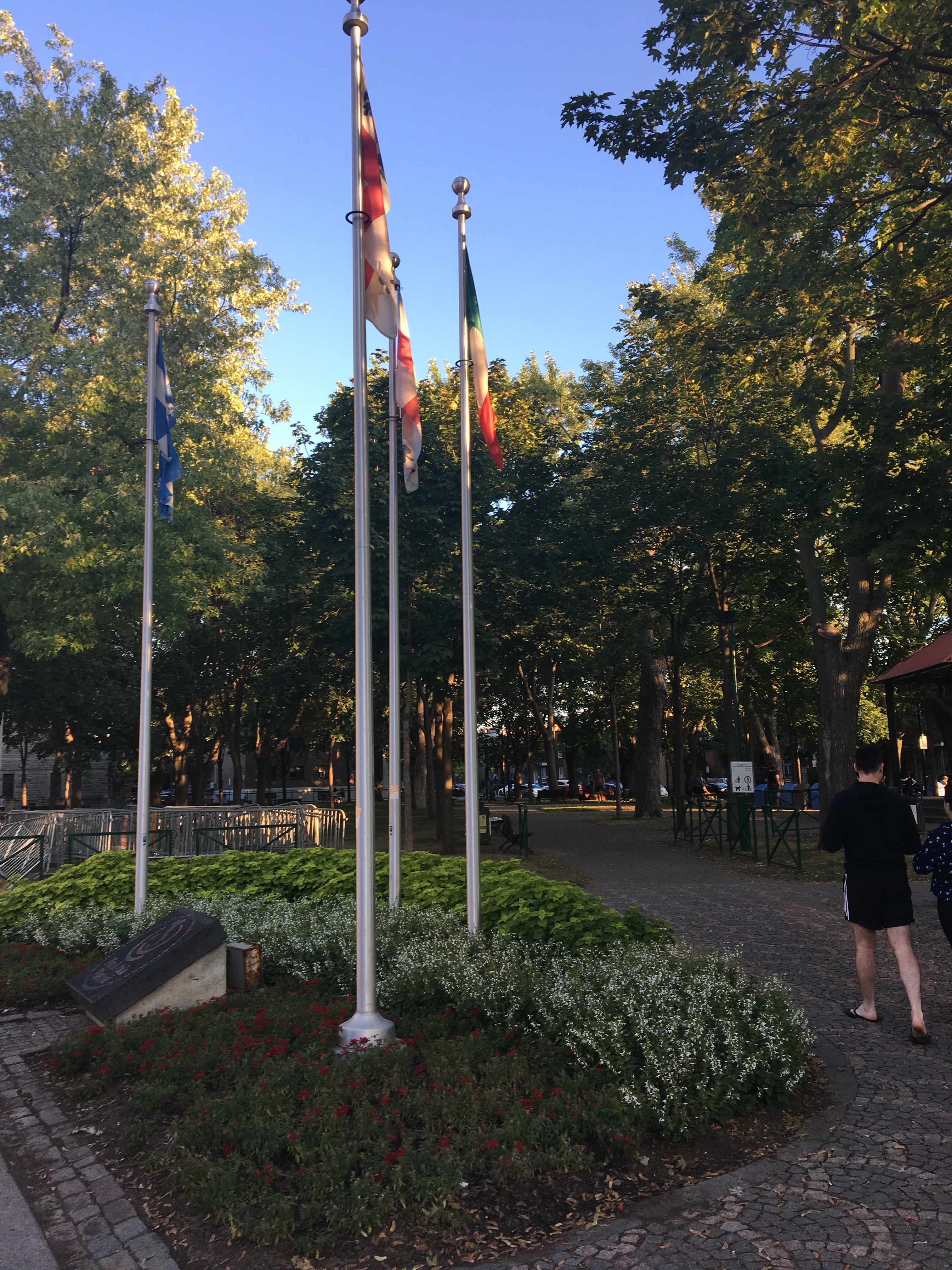
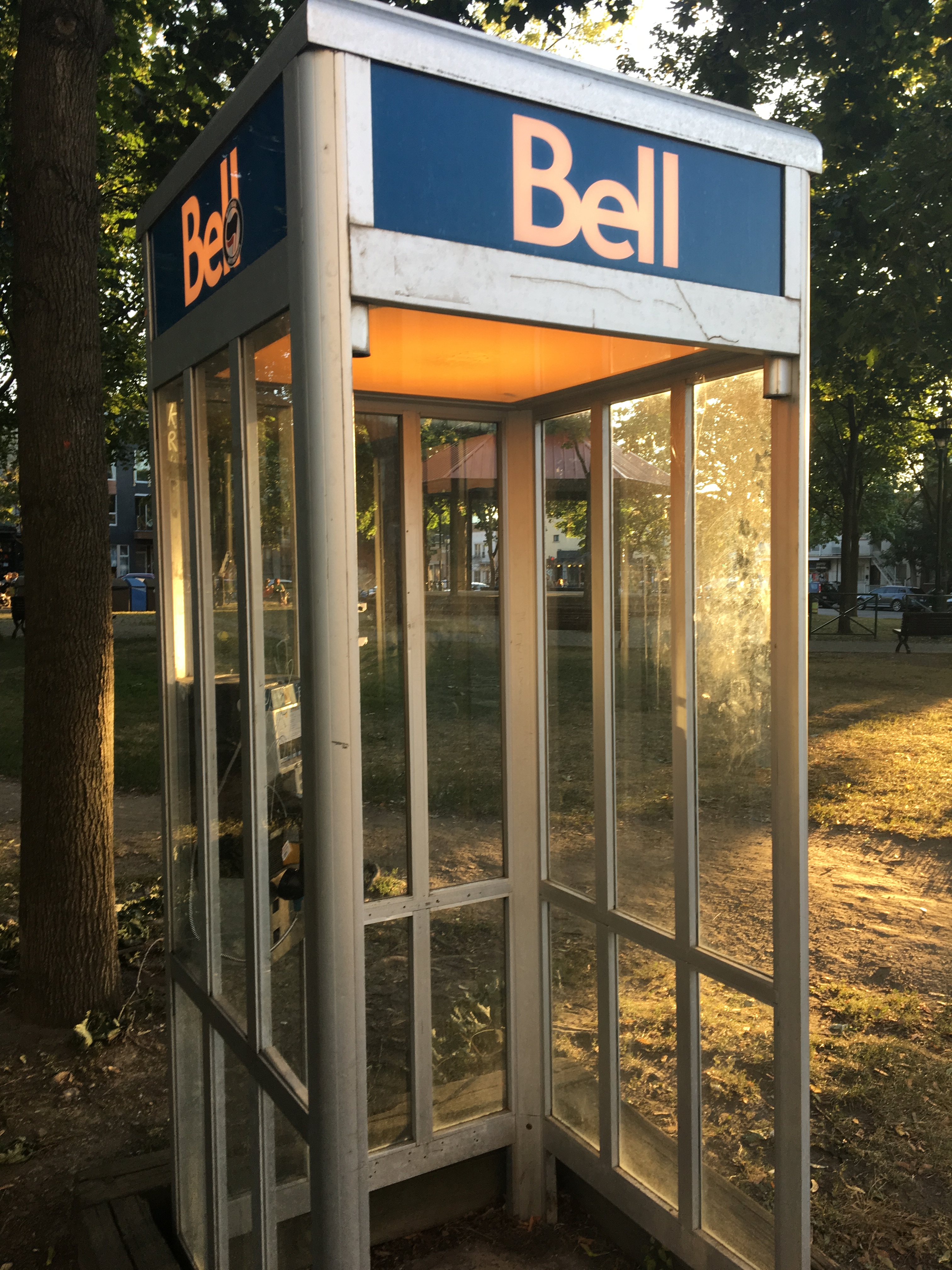
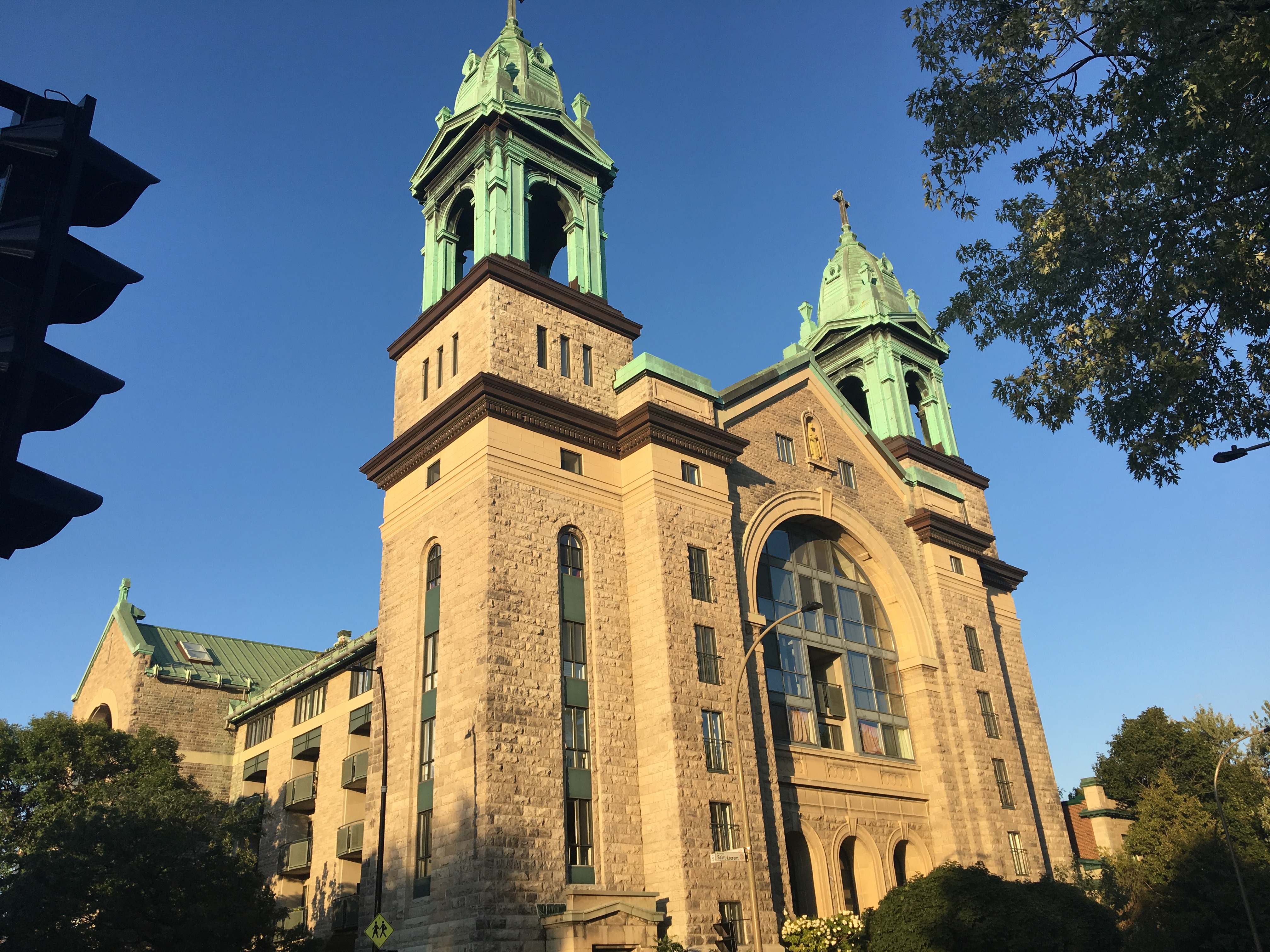
The neighboorhood ends near Rue Beaubien at le Parc de la Petite-Italie (Little Italy Park), a nice spot where locals relax and play sports like basketball and a large church that has been converted into apartments. At the park, there is actually a fully-operational phone-booth. Unlike the US where payphones have become obsolete, they are everywhere in Montréal ! An interesting cultural difference is that people here actually allow their children to go alone on the streets. Given the serious problems with gun violence in the US, this is nearly unthinkable in most major cities there.

Le parc de la Petite-Italie
A working phone booth !
Apartments inside a former church

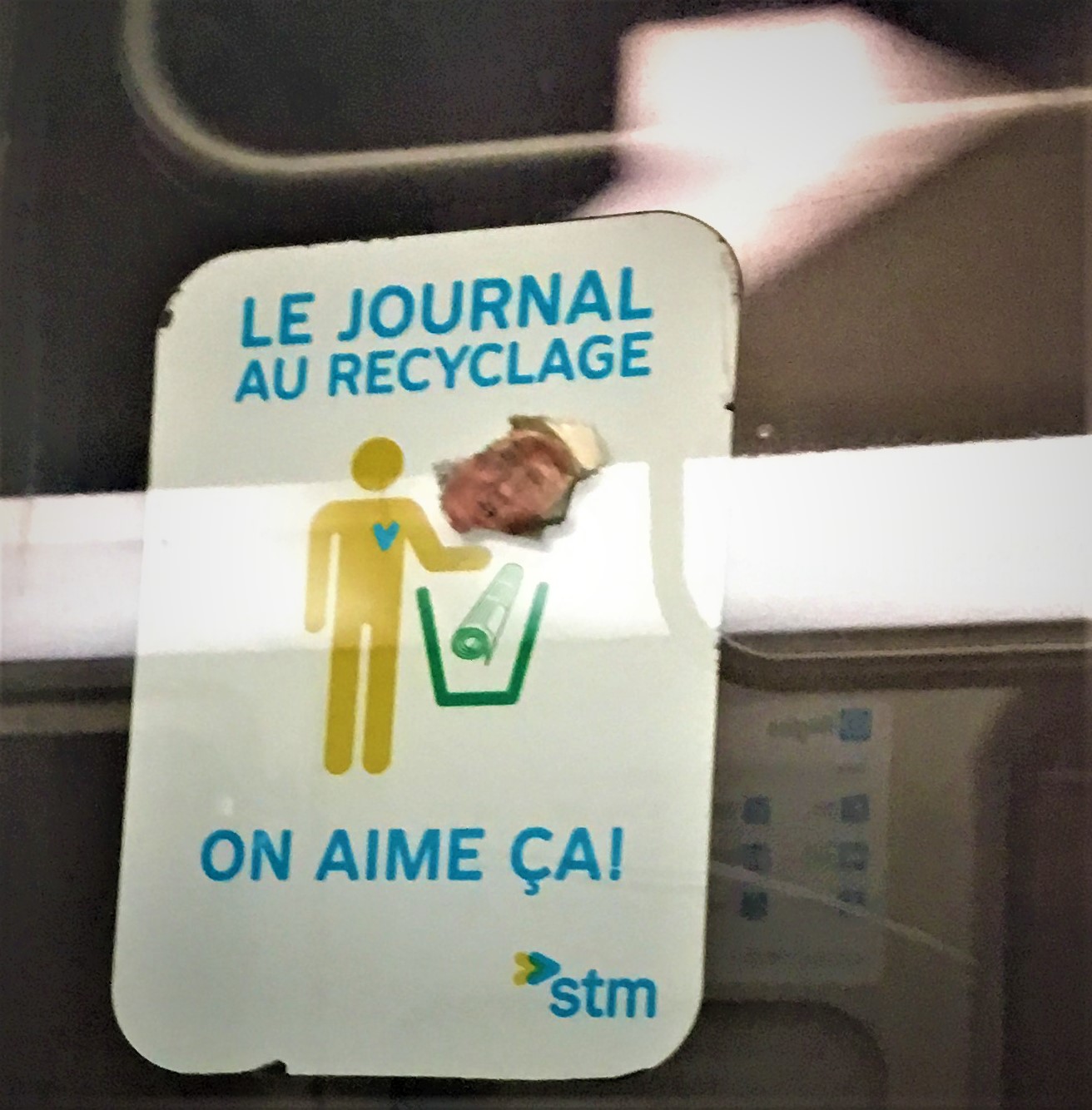
One important tip for American travelers: Try to blend in as best you can with the locals and do not make yourself stick out. From this vandalism that I saw on the train, it’s clear that anti-US sentiment is high right now because of Trump’s deeply problematic words and actions.

The current US president is not at all liked here; seen on one of the blue-line trains

Mon village ancestral

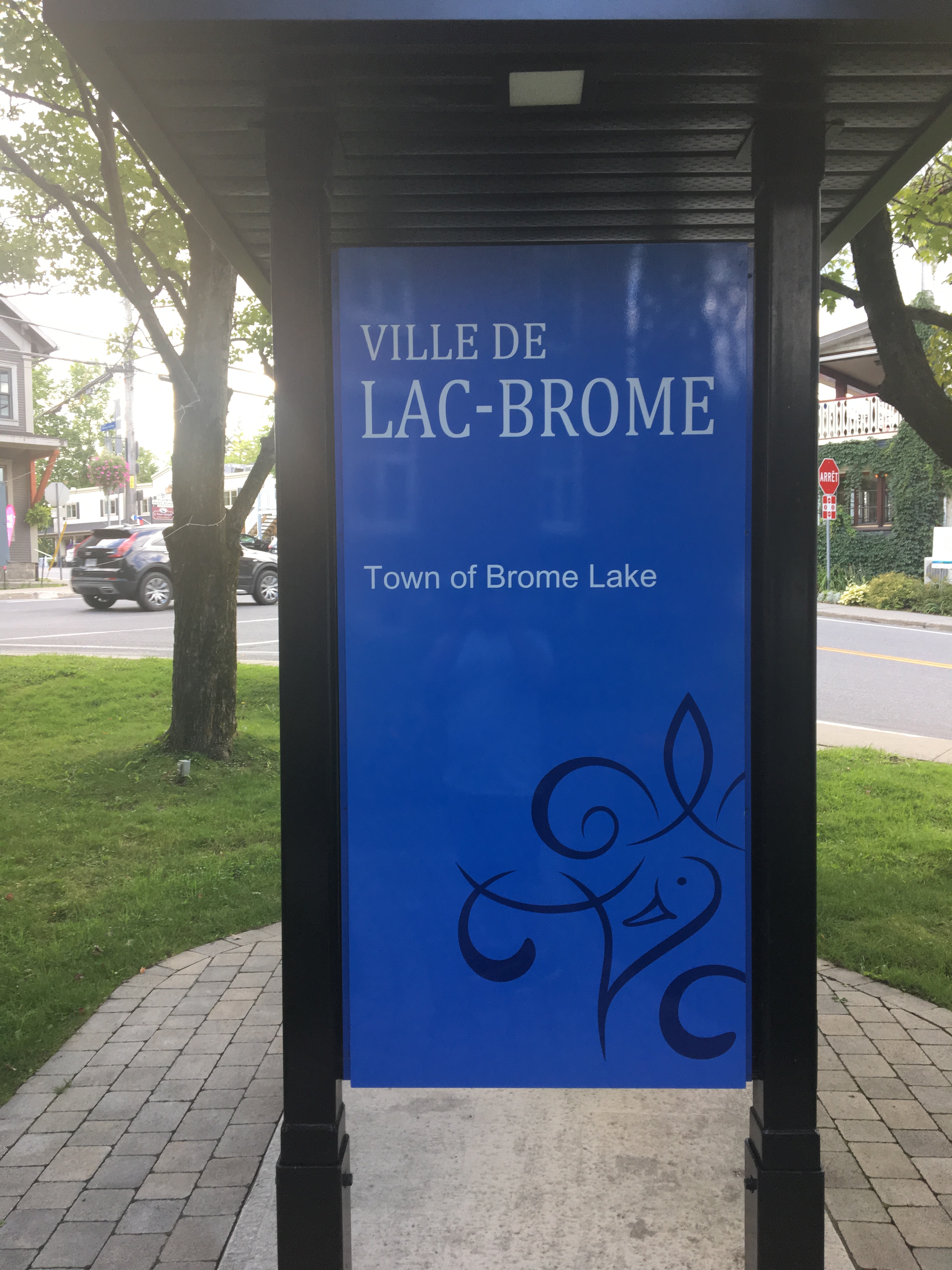
Hier j’ai eu la bonne fortune de visiter le village d’où venait mes ancêtres au sud du Québec. Une cousine a pu rechercher l’histoire de la famille de mon père il y a quelques années et elle a découvert que mon arrière-arrière-grand-mère vivait dans le petit village de Knowlton (partie de la commune de Lac-Brome) avant de déménager à l’état de New York.

La bienvenue !

Ce village se trouve pas trop loin de la frontière américaine-canadienne au sud. Ça prend environ une heure et demie pour y conduire dès Montréal (il n’y a pas de train ici). Il reste au bord d’un grand lac, le Lac de Brome, qui est aujourd’hui une destination touristique (mais peu connue hors du Québec). C’est une destination charmante qui retient un air rural et traditionnel. Il y a de petites boutiques et de bons restaurants dans de vieux bâtiments qui remontent au 19ième siècle. Les gens sont très gentils et on accueille les visiteurs avec joie. L’environnement me rappelle beaucoup des villages de la Nouvelle Angleterre.

Voici mes photos du séjour :

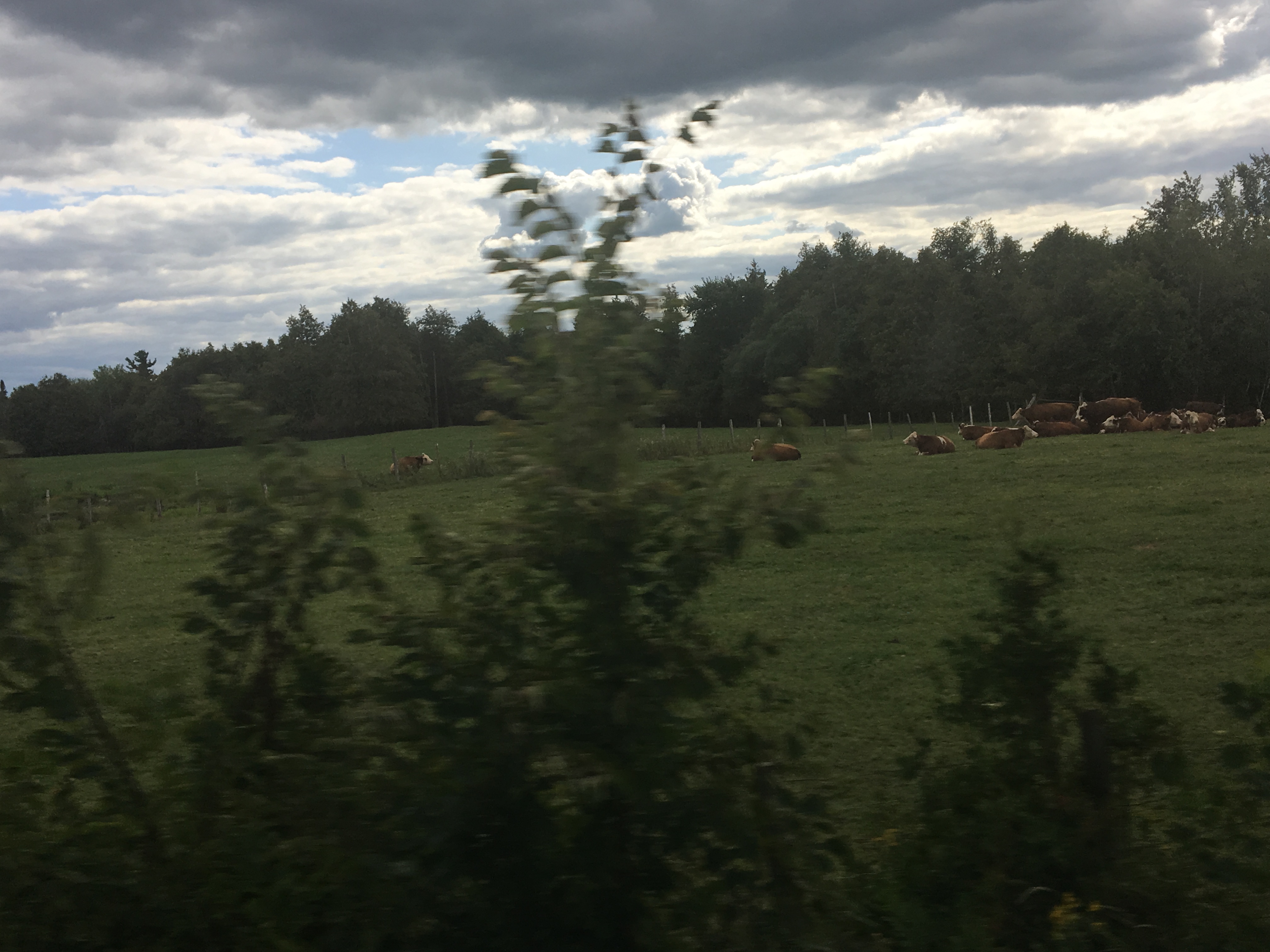
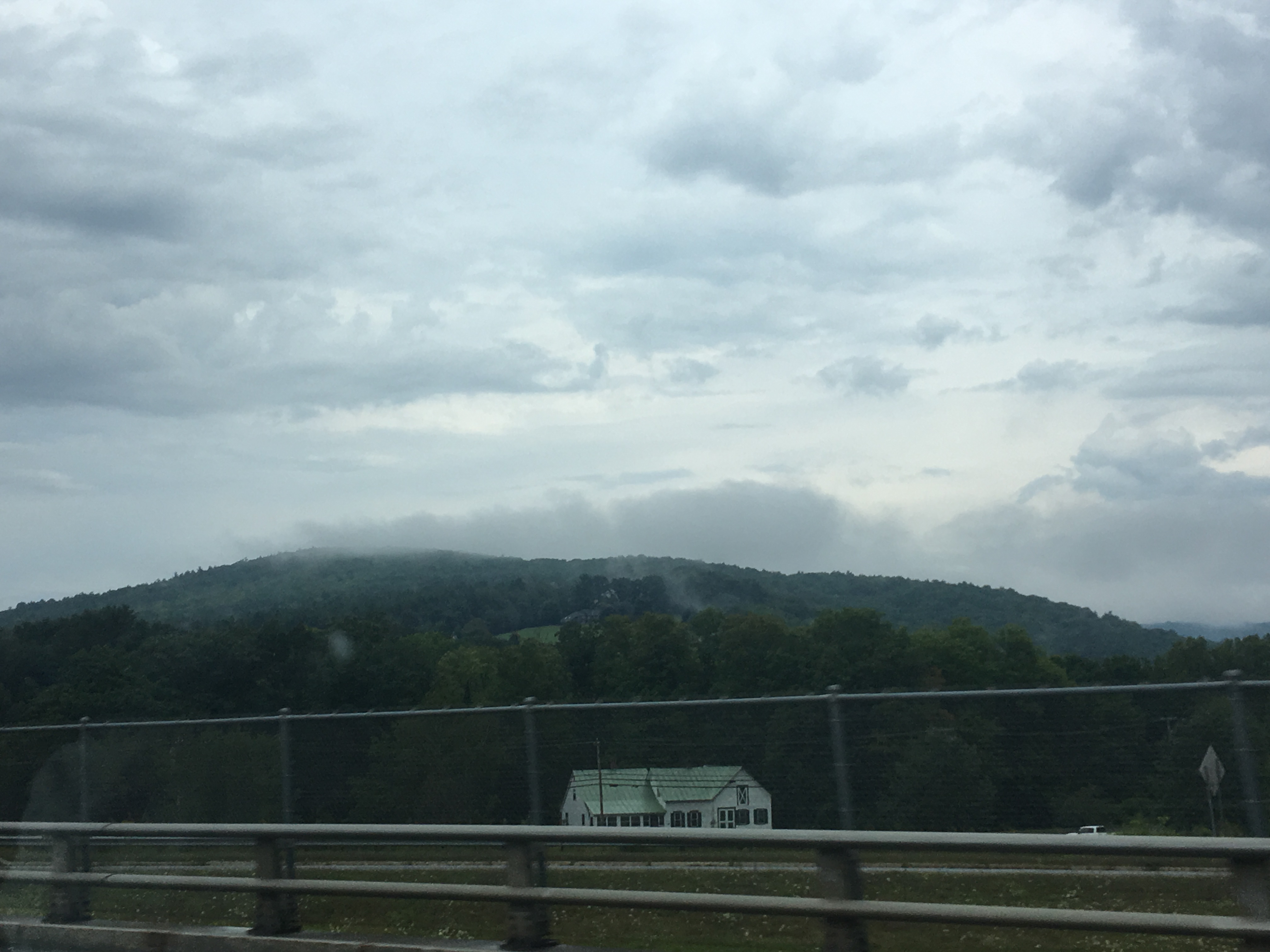
Une ferme avec des vaches près de l’autoroute
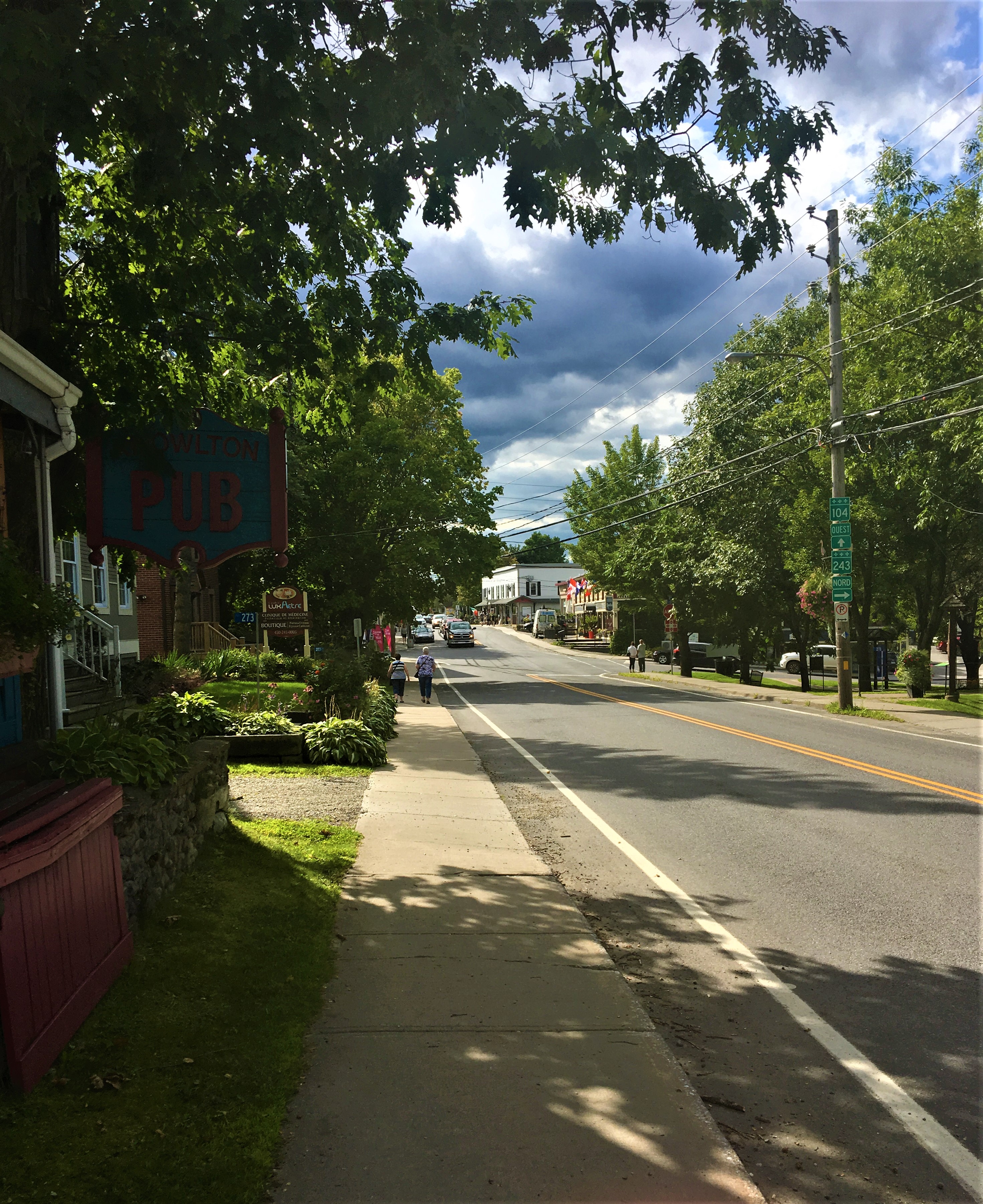
Le pub du village
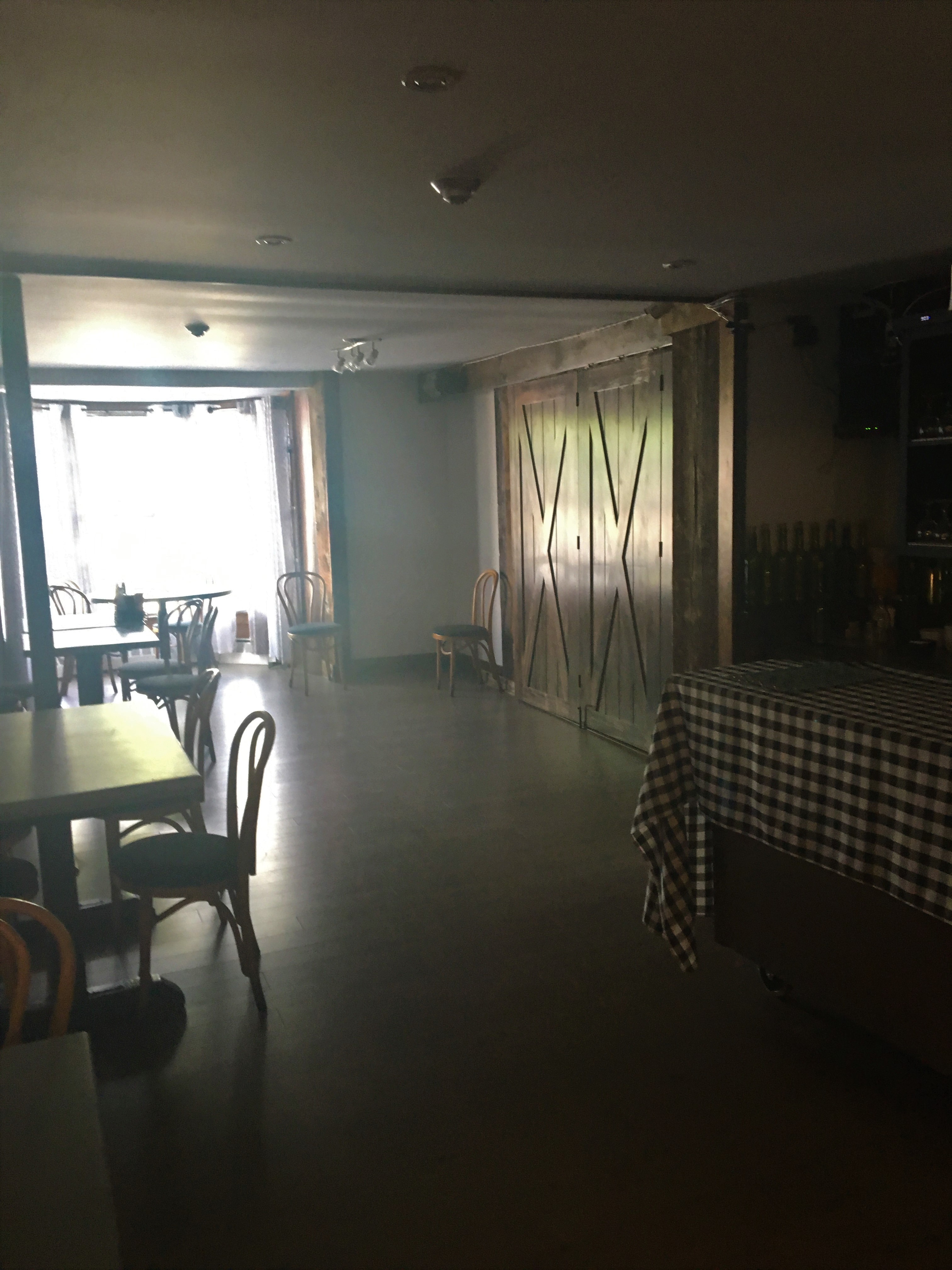
L’intérieur du pub
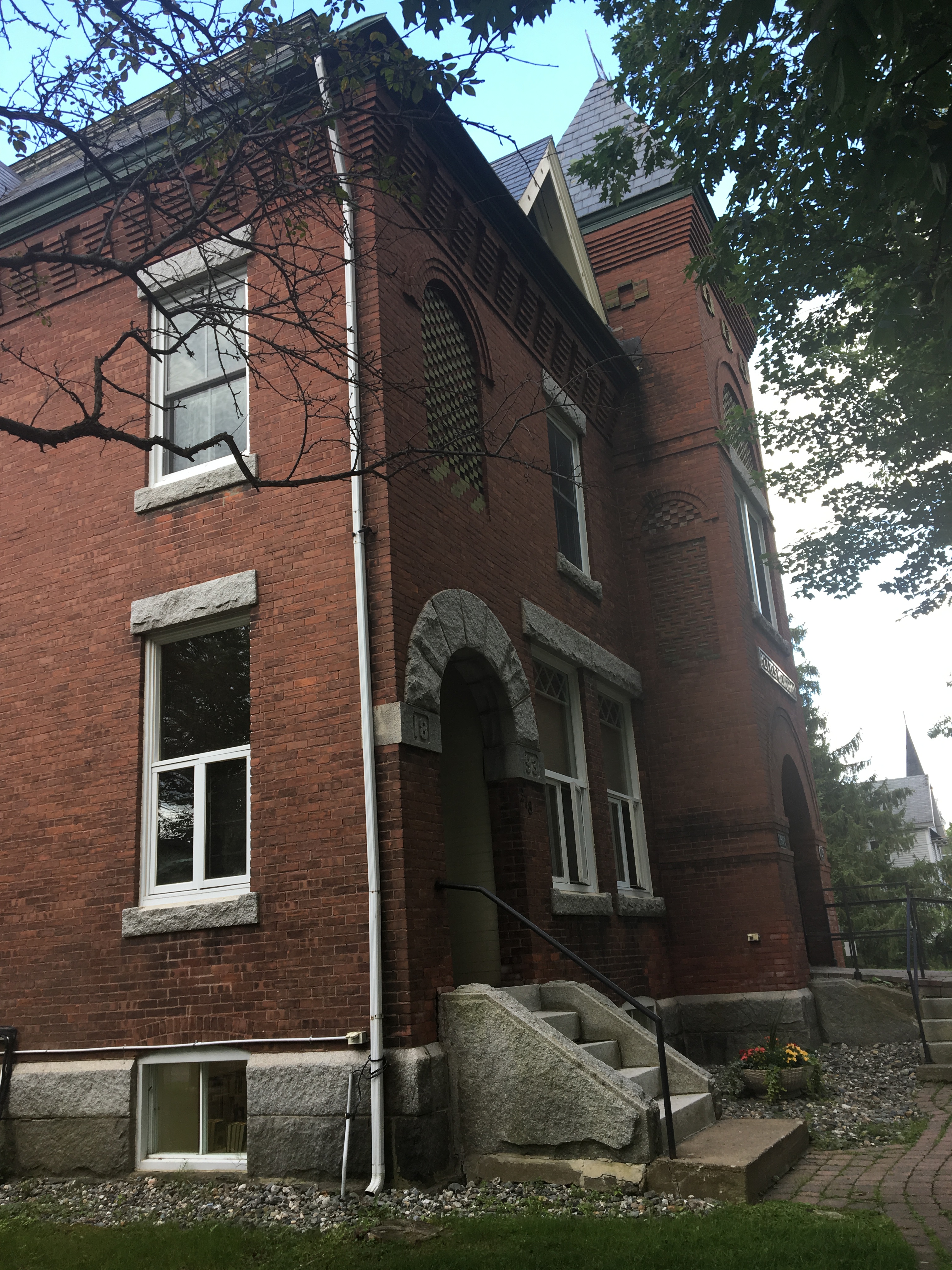
La bibliothèque du village
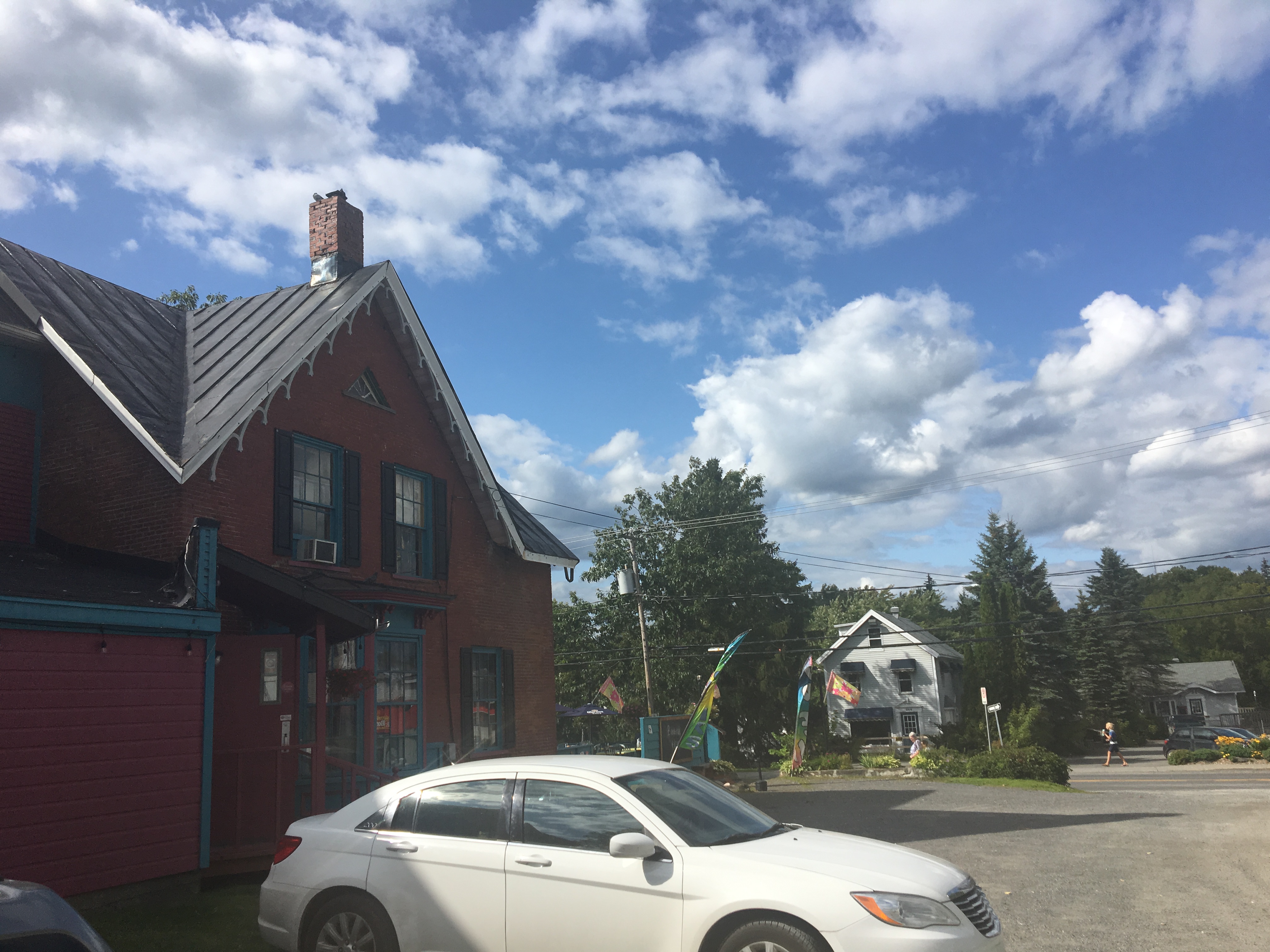
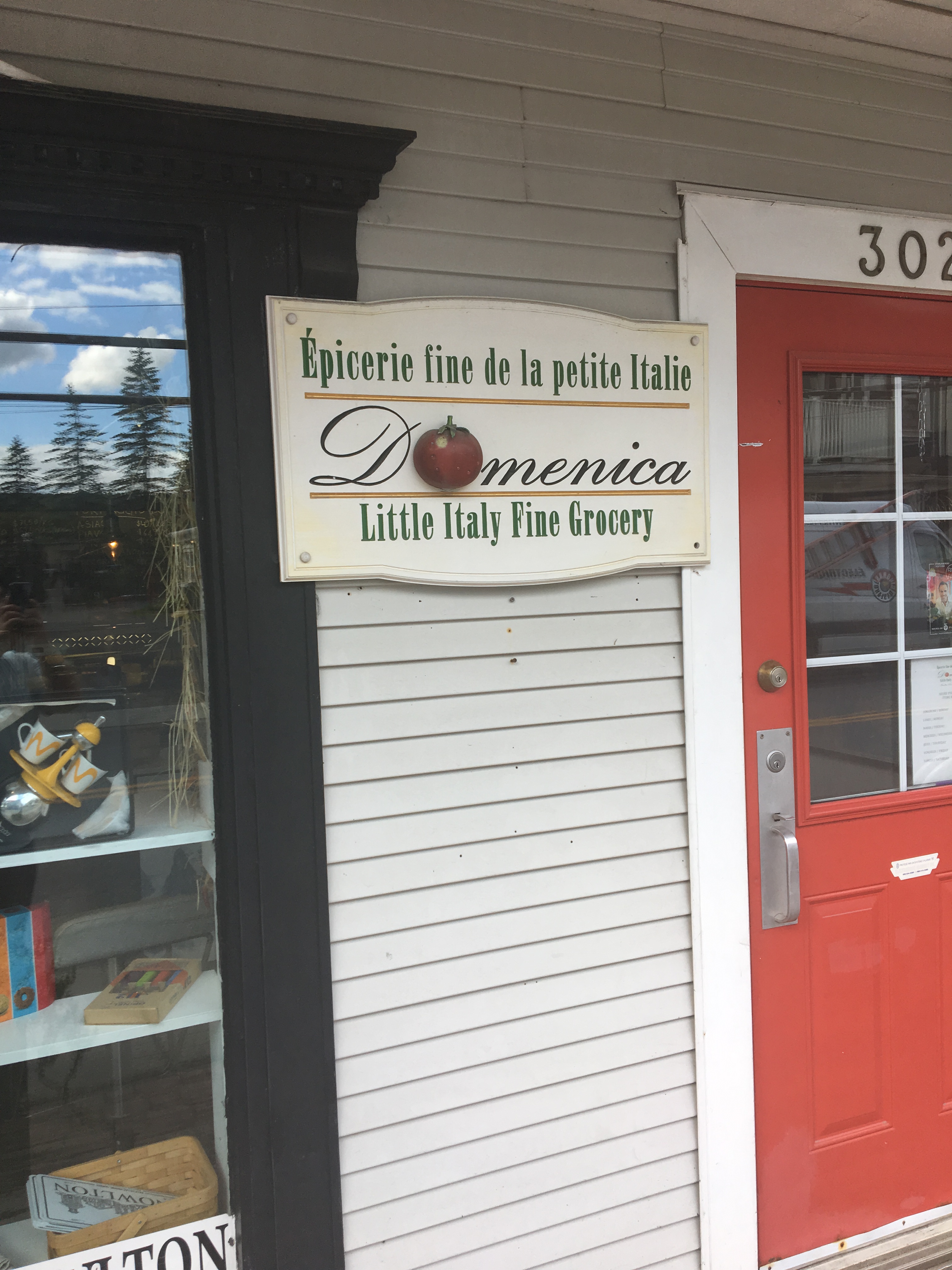
Une épicerie italienne mignonne
La rue centrale
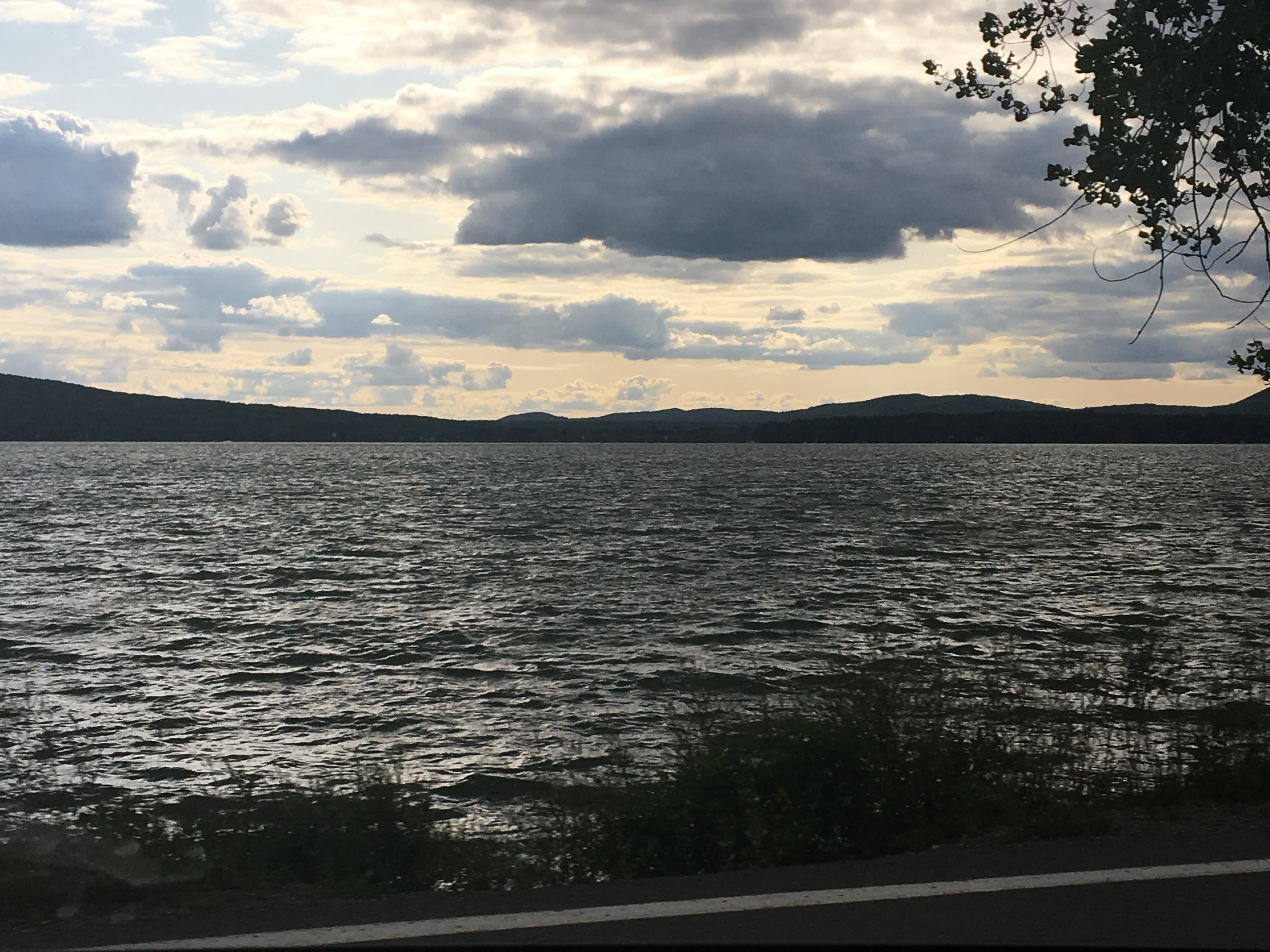
Au bord du Lac de Brome

C’était vraiment un privilège de voir le village de mes ancêtres. L’un de mes buts de ce voyage, c’est d’apprendre plus de mon héritage et de mon patrimoine culturel. En visitant cet endroit, je me sens plus lié à mes racines familiales et à la culture qui a été perdue en l’américanisation.

L’Arrivée/Arrival

Hello everyone! This is going to be my new blog where I share my experiences on a (hopefully) weekly basis in English and French and give helpful tips. I have finally arrived in Montreal today to start my semester at the University of Montreal as part of National Student Exchange.

Hello everyone! This is going to be my new blog where I share my experiences on a (hopefully) weekly basis in English and/or French and give helpful tips. I have finally arrived in Montreal today to start my semester at the University of Montreal as part of National Student Exchange. In this first post, I’ll tell you a little about my arrival and give some helpful tips for preparing.

Travelling by car to Montreal is really the best way from Rhode Island (or any New England state). It’s about 8 hours, depending on traffic and the number of people in customs. There isn’t much to see on the highway, but you can stop in Burlington or the towns near Lake Champlain.

White Mountains in New Hampshire

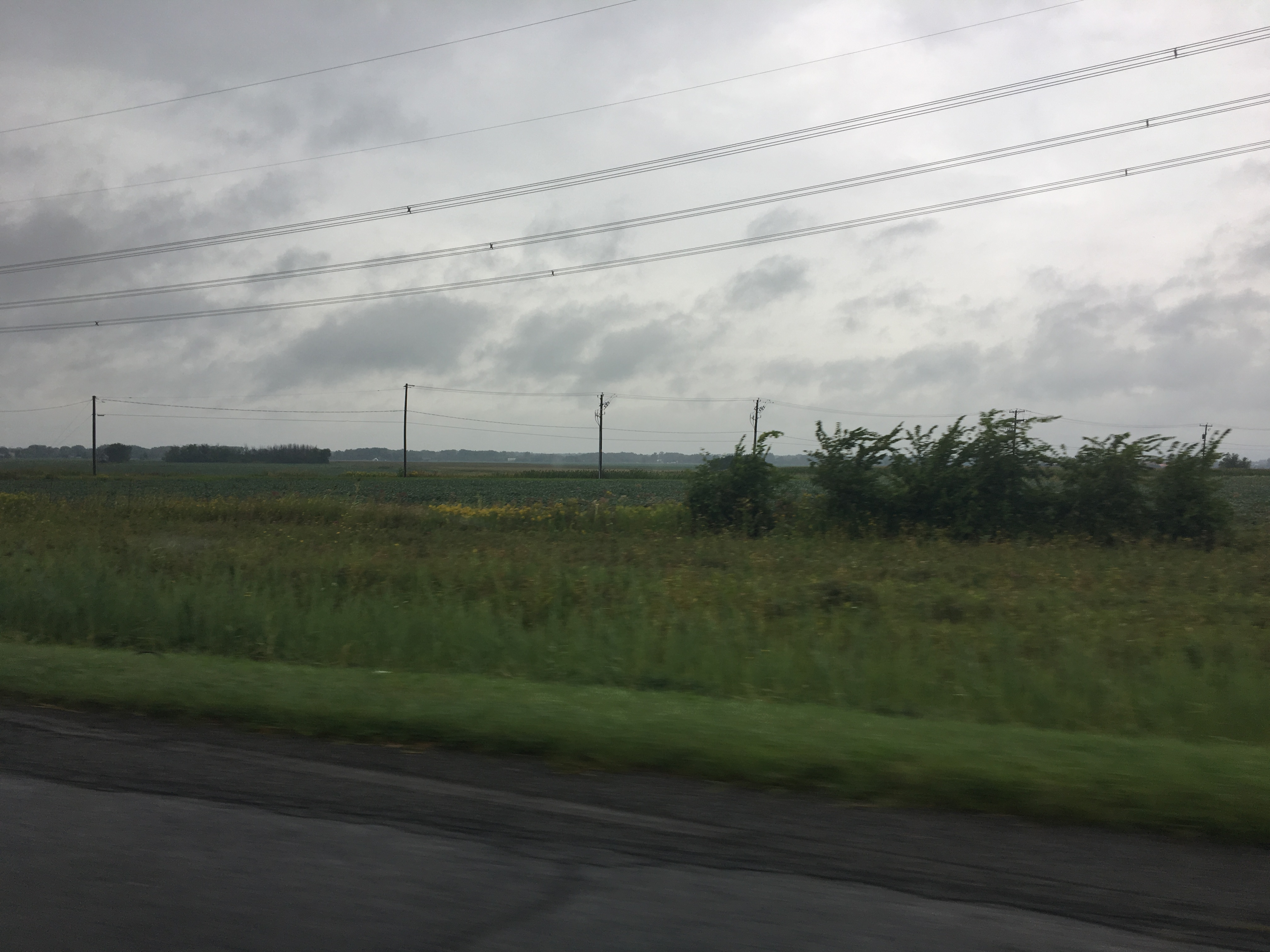
Most of southern Québec near the border is farmland and has a very rural feel. There isn’t very much to see here, but it resembles the Midwest of the US quite a bit, especially with all of the corn this season.

Southern Québec

It takes about an hour more to reach Montréal. I have to rent a place for the first night until I can move into the university housing, so I’m staying in an apartment in downtown near Rue St. Catherine (the heart of the neighborhood called the « Gay Village »). I’m too tired to really go anywhere else today, but I’ll keep you all updated. It’s a big city and I can’t wait to explore more of it!

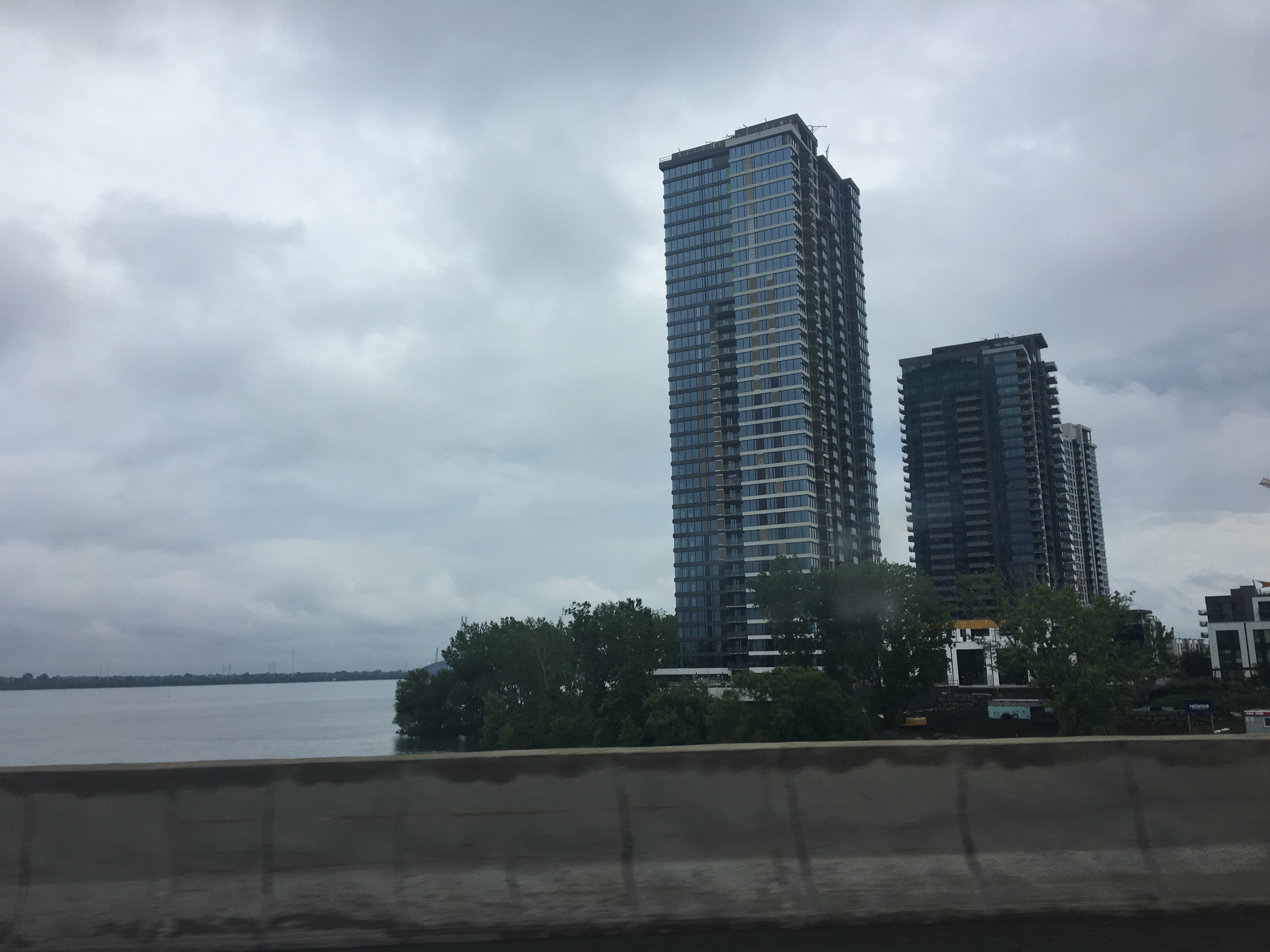
Crossing the Saint Lawrence River on the Pont de Champlain
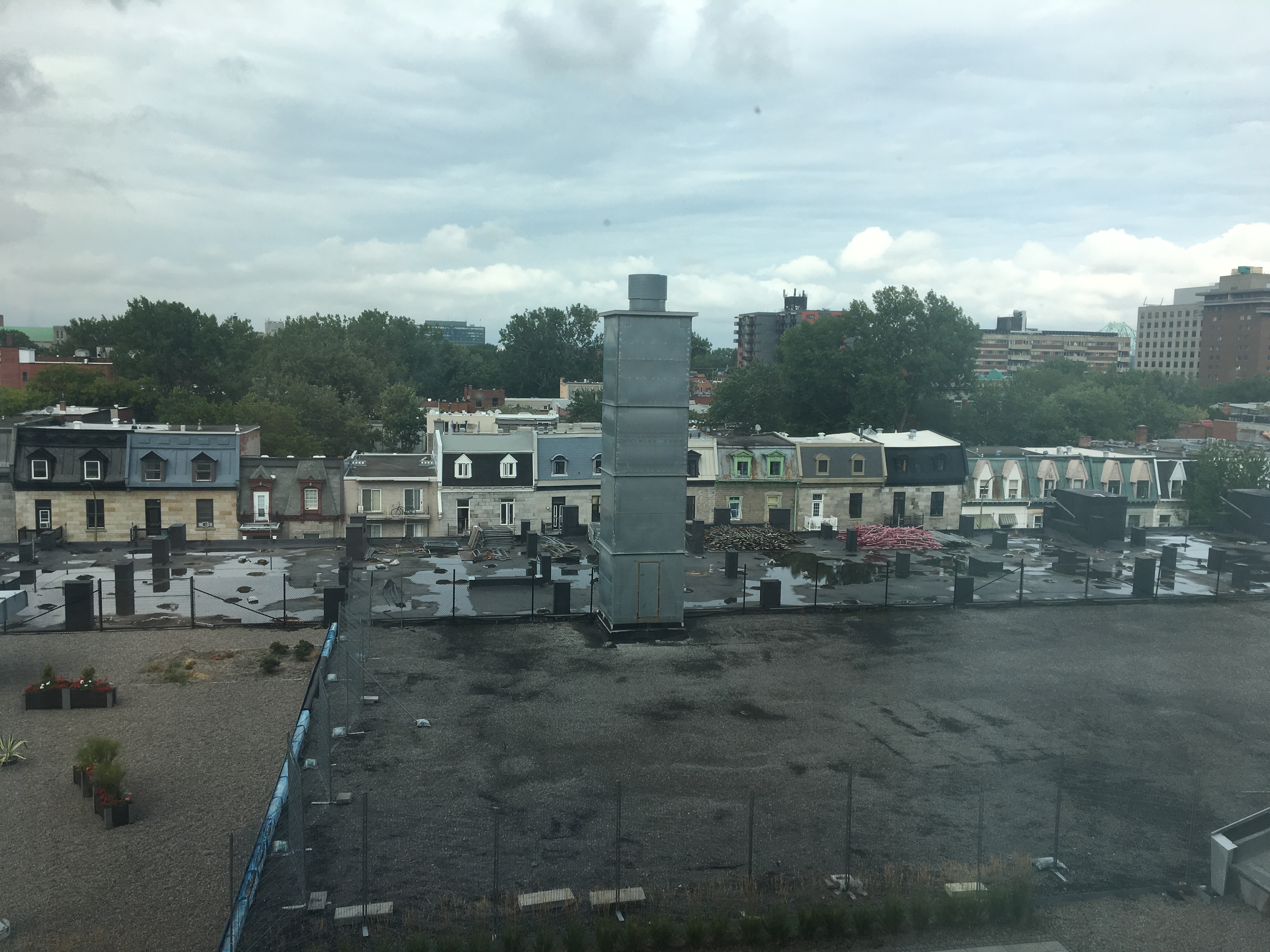
Old houses and a rooftop garden near Rue Barri

Useful pre-departure tips for exchange students:

  • Pick your classes and speak to your advisors at both schools ASAP. It takes forever to get registered in advance and you must go through multiple people. If you’re going to UdeM, you can find classes here by selecting your major/minor.
  • If you’re doing one semester, as a US citizen you do NOT need a student visa (permis d’études) or a CAQ (certification d’acceptation au Québec). All you will need to upload for the school is a copy of your passport and an entry stamp. (If you’re crossing the land border, they will not stamp your passport unless you ask them).
  • Have a copy of your acceptance letter at the border/airport. While I was able to get through without having it on me, they did want to see it.
  • You’ll need to get a student id card that you can order in advance here.
  • If you’re living in the university housing, you need to have renter’s insurance with liability. It’s part of the lease you sign with them.
  • The housing (which is done via a third party company) does NOT accept credit cards. Debit cards, cash or check only.
  • The university will charge you $350 CAD for health insurance. Unless you open a Canadian bank account, they will only accept check or Western Union.
  • If you’re going through NSE, make sure that Financial Aid knows that, even though the program is technically international, you’re financial aid is still applicable because tuition is billed through your home campus (if you selected that on application).
  • Sign up for the Passerelle program. They connect you to a student at the university who can answer any questions you might have. Mine has been very helpful so far!
  • The BEI (bureau d’étudiants internationaux) is the most helpful and important office to be in touch with. They can help answer questions that are confusing for international students.
  • Make sure to arrive before classes start so you can attend orientation (which starts on the 26th of August). If you’re doing university housing, you’ll need to let them know that you will be arriving early so that you can check in.
  • If you’re a full-time student, you can get a card for reduced fares on public transit (I haven’t used it yet, but it is much more efficient and accessible than RIPTA).

I hope this helps! À la prochaine fois !

Concevoir un site comme celui-ci avec WordPress.com
Commencer